

By working with allies, the Biden administration has been able to place severe sanctions on Russia – including targeting Putin’s inner circle and banning banks from SWIFT.
Articles on Banks
Displaying 81 - 100 of 313 articles

Higher interest rates reduce demand for goods and services, which makes it harder for companies to raise prices. But there are risks as well.
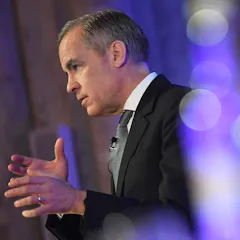
Banks are making inroads with investments, but that’s only one third of their activity.
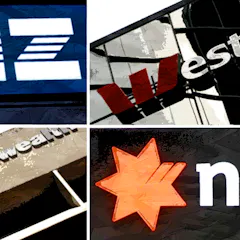
The Reserve Bank’s Term Funding Facility was meant to support lending during COVID. Instead the funds might be ending up in the accounts of bank shareholders.

A handful of banks now dominate the US financial sector. This consolidation has resulted in higher costs for consumers and small businesses and put the economy at greater risk of a financial crisis.
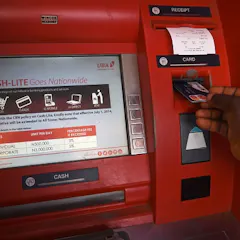
Banks that do not have chatbots should explore the options of integrating them into their operations.
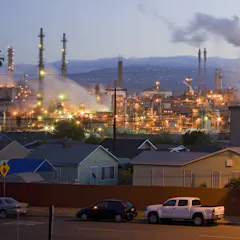
It isn’t just the effects of climate change that could destabilize the financial system, it’s also fossil fuel assets losing value. The good news is that central banks can fix it.

Banks should consider and integrate women empowerment principles into their corporate social responsibility initiatives.

Thousands of racialized women around the world run mutual aid co-ops to help each other and develop their communities.

Canada doesn’t have many public banks. The best known, the Canada Infrastructure Bank, seems intent on privatizing critical public services instead of working towards the public good.

There’s a growing push among businesses, including the finance sector, to protect the climate and nature.

Yes, the bank would effectively pay you to borrow money. But negative interest rates won’t please savers, nor will they meet the big challenges of economic recovery.

Threats over the bank’s decisions about lending to coal miners call into question the government’s commitment to free enterprise.
Powerful interests are shaping the debate over the transition to a low carbon economy.

Westpac and the ANZ have suspended dividends payments. The National Australia Bank has slashed them. The peculiarities of our tax system explain why retirees hate this more than they should.

APRA is allowing the big four banks to coordinate in a way that might otherwise be illegal.

Bank stocks have taken a hammering in recent weeks. It is all beginning to look very 2008.

In an era of data breaches and data privacy concerns, governments should enshrine in law a requirement for companies and banks to send paper bills and statements in order to protect consumers.

Banking deserts make it harder for children and young adults to become financially literate, which leads to worse credit and a lifetime of disadvantage.
Laws on boycotts already exist, but their aim was never to target consumer groups.
Top contributors
-

Professorial Fellow, University of Canberra
-
Visiting Fellow, Macquarie University Applied Finance Centre, Macquarie University
-
Emeritus Professor of Finance, The University of Melbourne
-
Vice Chancellor's Fellow at Victoria University and Adjunct Professor of Economics, Victoria University
-
Professor, Finance, UTS Business School, University of Technology Sydney
-
Senior Lecturer, Faculty of Law, University of Wollongong
-
Scientia Professor of Economics, UNSW
-
Head of Department of Economics, Finance & Accounting, Brunel University of London
-
Associate Professor in Finance, University of Canberra
-
Professor of Organisational Behaviour, Bayes Business School, City St George's, University of London
-
Senior Lecturer, Adelaide Law School, Adelaide University
-
Associate Professor in Marketing, Keele University
-
Vice-Chancellor and President, University of Canberra
-
Emeritus Professor of Accounting, University of Essex, University of Essex
-
Adjunct Professor, Swinburne University of Technology