

Addressing the issue requires getting frequent flyers to shift from planes to trains, but also asking wider questions about where we want to go and why.
Articles on Aviation emissions
Displaying all articles

Huge efficiency gains are available to airlines, without any new technologies – new study.
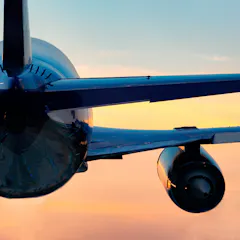
Emissions from international aviation (and shipping) account for 9% of New Zealand’s total. Without stronger policy to cut them, they could grow to a third by 2050.
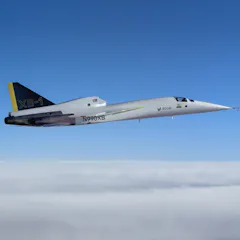
These planes need a lot more fuel as they experience significantly more drag beyond the speed of sound.

It’s better than regular jet fuel, but beware the hype.
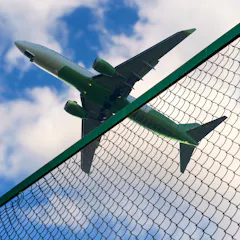
No-fly zones in Europe and the Middle East are making planes travel further and burn more fuel.
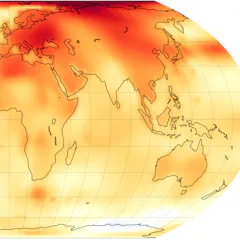
The Climate Change Commission identified three major changes since 2019: other countries are doing more, impacts are becoming more severe, and delaying action shifts costs to future generations.

Tourism emissions have been increasing at twice the rate of the global economy. That will double over the next 20 years, far outpacing technological solutions. New tourism policies will be needed.
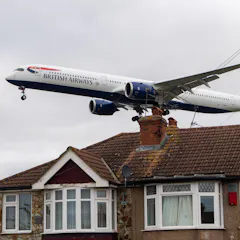
The aviation industry is racing against time to meet its 2050 net zero target. But soaring passenger numbers and limited progress on sustainable technology leave it at risk of falling short.
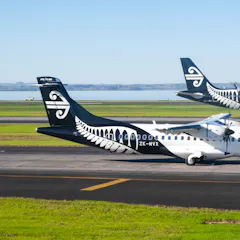
Business growth and cutting emissions don’t always go hand in hand. Airlines and other companies may need to rethink their business models to achieve a low-carbon transition.

Current loopholes in EU climate laws would allow affluent private jet passengers to maintain their polluting lifestyle, while the lower and middle classes are compelled to give up low-cost flights.
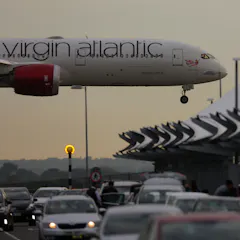
A flight powered by sustainable aviation fuel is making a trip across the Atlantic. But is it really a greener way to fly?

Air travel emissions are proving difficult and costly to cut, but travellers can make a surprisingly big difference simply by changing how they travel to and from the airport.
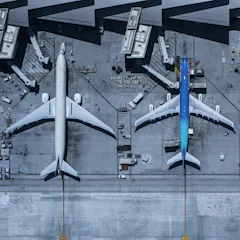
Airlines are investing in sustainable biofuel startups and starting to uses alternative fuels, including cooking oil, ag waste and corn ethanol. But biofuels alone won’t be enough, research shows.

Converting to electric cars is going to take time. With transport being Australia’s fastest-growing source of emissions, action on all fronts – road, rail, sea and aviation – is needed.
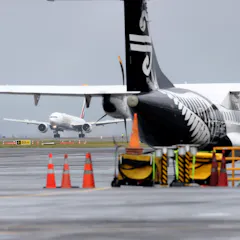
Before the pandemic, New Zealand’s emissions from domestic flights were 4.9 million tonnes of carbon dioxide, up by 43% since 2014 and the sixth highest in the world per capita.
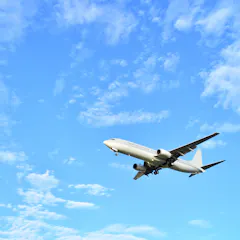
Commercial flights could one day be propelled by sustainable fuels, renewable energy or hydrogen propulsion – but big challenges remain.
Top contributors
-

Professor in Applied Mathematics, Te Kunenga ki Pūrehuroa – Massey University
-
Marie Skłodowska-Curie Postdoctoral Fellow in Philosophy, Université catholique de Louvain (UCLouvain)
-
Lecturer in Economics and Politics, Leeds Beckett University
-
Ph.D. Student in Earth System Science, University of California, Irvine
-
Professor in Transport and Supply Chain Management and Interim Head of School of International Business, Logistics and Supply Chains, University of Sydney
-
PhD Candidate, Institute of Transport and Logistics Studies, University of Sydney
-
Reader in Political Economy, Brunel University of London
-
Program Manager - Climate Ready Initiative, Griffith University
-
Honorary Principal Fellow, University of Wollongong
-
Professor of Earth System Science, University of California, Irvine
-
Professor of Sustainable Business, University of Otago
-
Associate Professor, School of Business, Eastern Institute of Technology
-
Senior Lecturer in Marketing and Strategy, Cardiff University
-
Associate Professor, School of Business, The University of Queensland
-
Professor of Tourism, Griffith University