
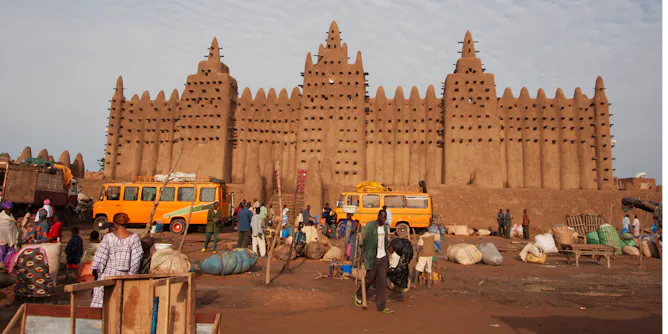
The Covid-19 pandemic will long be remembered for the lockdowns it imposed and the millions of lives it stole. A recent Unesco report reveals that it has also took a large toll on world heritage sites.
Articles on Archaeological looting
Displaying 1 - 20 of 28 articles
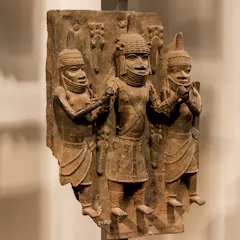
Momentum is growing for the restitution of objects, such as the Benin Bronzes, stolen during colonialism. Listen to The Conversation Weekly podcast.
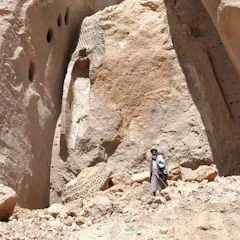
From 1996 to 2001, the Taliban outlawed almost all forms of art while looting and destroying museums. With their resurgence, Australia must strengthen measures to stop trafficking of antiquities.

Archaeologists working with museums in Iraq have protected more than 270,000 artefacts using SmartWater liquid technology.
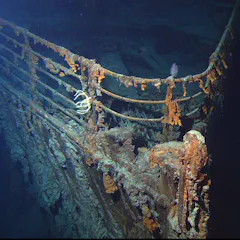
A recent ruling allowing a new expedition to the Titanic wreck gives the go ahead to commercial exploitation.
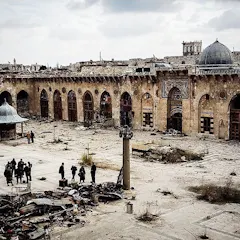
The destruction of a country’s historical and cultural heritage sites is a distressing byproduct of conflict, but there are now strategies in place to prevent it happening.
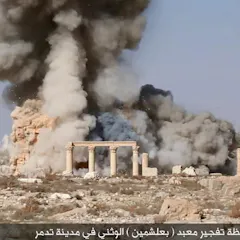
Armed conflict in Syria has been a disaster for the area’s cultural heritage. A displaced archaeologist describes what’s being lost.
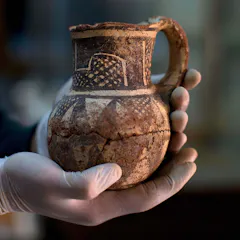
According to a new study, a small portion of a site can yield thousands of objects, adding up to millions of dollars.
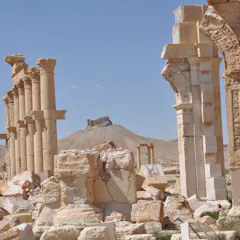
There is a surprising amount of support for the destruction of antiquities in the Middle East.
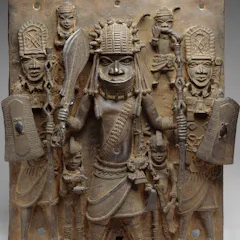
Colonial powers plundered the heritage of countries all over the world – restitution is long overdue.
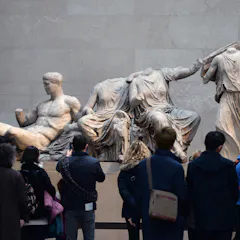
What’s needed is a comprehensive international strategy to combat the illicit trade in antiquities.
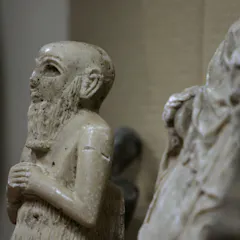
Looting of Iraq’s national museum began on April 10, 2003. At least half of the artefacts taken remain missing and disturbingly, the illegal trade in stolen antiquities has grown in the years since.
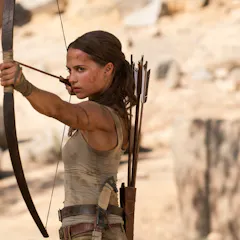
Looting of antiquities is a serious problem, but looters are not always just motivated by greed.

Mongolia’s important historical sites are under threat from climate change and looting - and one exacerbates the other.
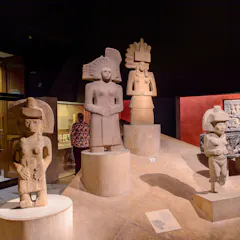
Sales of antiquities legally excavated are just as ethically problematic as those likely looted.
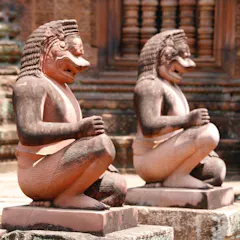
Fake Cambodian sculptures have infiltrated the antiquities market, where they remain unacknowledged and their production continues unabated.
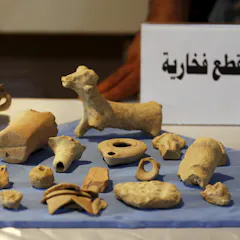
Profit estimates have ranged from $4 million to $7 billion. But with the Paris attacks costing only $10,000, does a number even matter?
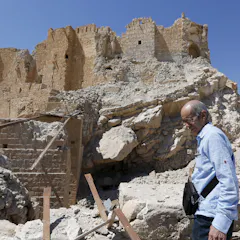
Unpaid volunteers are negotiating with Islamic State and facing military attacks as they try to save Syria’s ancient cities.
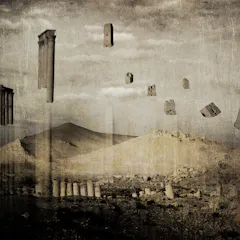
Work is already underway to repair the damage to the ancient city of Palmyra in Syria, but we need to question if technology will take things too far.
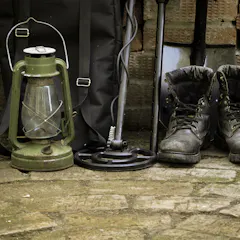
Our past is under threat from “nighthawks” - illegal metal detectorists who go out at night to seek their fortune from protected ancient monuments. A Bristol archaeologist investigates.
Top contributors
-

Research associate, Newcastle University
-
Assistant Professor of Sociology, University of Virginia
-
Associate Professor in Ancient History, Macquarie University
-
Professor in Archaeology, University of Bristol
-
PhD; Adjunct Senior Research Fellow, Monash University
-
Doctoral Researcher in Classics, Trinity College Dublin
-
University and Continuing Education Program Coordinator and Research Associate, University of Chicago
-
Post-Doctoral research fellow, Université Paris Nanterre
-
Professor of History, Macquarie University
-
Host, The Conversation Weekly Podcast, The Conversation
-
Associate Professor of Anthropology, Assumption College
-
Visiting Assistant Professor of Anthropology, Binghamton University, State University of New York
-
Professor, University of Milan
-
Associate Professor in Archaeology, Flinders University
-
Senior Lecturer in Museum Studies, UCL