

The nation’s first successful circulating library was established almost 300 years ago by Benjamin Franklin in Philadelphia.
Articles on Andrew Carnegie
Displaying all articles
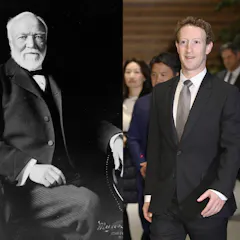
The 19th-century industrialists were called ‘robber barons’ – but they did more to improve society than many of today’s super-rich.

Conservatives defend efforts to dismantle the federal bureaucracy as tactics against tyranny, but Americans exercise their sovereignty through these civil services.
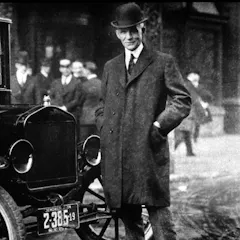
The hefty sums many billionaires give away place them in an age-old debate about wealth and charity – and whether it’s appropriate for donors to have a say over their wealth from the grave.

Derided as ‘toys for the rich,’ the specimens being bought and sold raise broader questions about the relationship between science and capitalism.
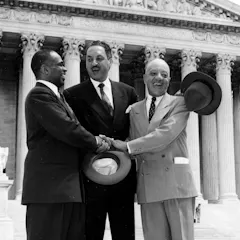
When white philanthropists made large gifts to these schools in the 19th century and early 20th century, many insisted upon a vocational focus for Black higher ed.
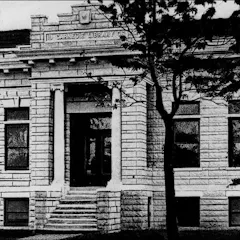
One reason why the steel magnate spent so much of his fortune building libraries across the nation and abroad is that he saw handing large fortunes to the next generation as a waste of money.

There are few things Americans like more than lists and money, but ranking philanthropists on the monetary size of their giving distorts our understanding of generosity, argues one ethicist.
Top contributors
-

Chancellor's Professor of Medicine, Liberal Arts, and Philanthropy, Indiana University
-
Senior Associate Director, Libraries, Michigan State University
-
Assistant Professor of Public Administration, University of Nebraska Omaha
-
Associate Professor of Philanthropic Studies, Indiana University
-
Associate Professor of History, Brown University
-
Professor of Literature and Director of Irish and Irish American Studies, College of Charleston
-
Professor of Management, University of St Andrews
-
Education, Behavioral Sciences, and Social Sciences Librarian, Penn State