
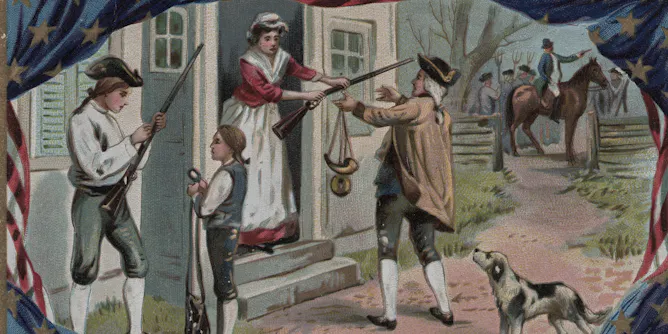
The medical tools of the Revolutionary period help flesh out the picture of what physical well-being felt like for people living in the American colonies 250 years ago.
Articles on American colonies
Displaying all articles
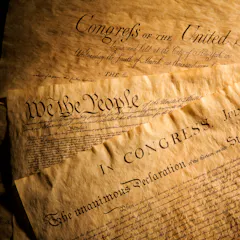
A partisan judiciary, arbitrary power, officials beyond the reach of the people – these are the grievances that drove a revolution.
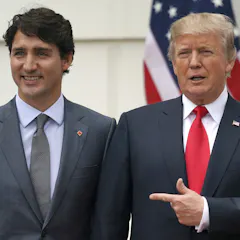
Trump is not the first American leader to dream of northern expansion. History suggests these designs reveal simmering divisions inside the United States.
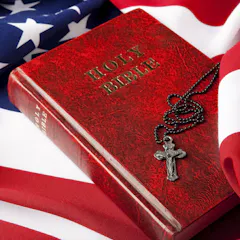
The US has a long history of blasphemy laws, which reflect the complex fight for freedom of religion and speech.
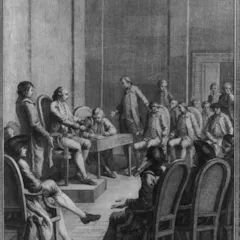
The first widespread agreement across the American Colonies dealt with economic independence from British trade and taxation.

What might appear to be common values about shared political and cultural identities can at times serve not as a bridge joining people together but a wedge driving them apart.
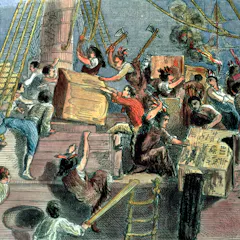
An attack on private property angered Colonial leaders as much as the British public – but a strong reaction from Parliament hardened the positions of the opposing sides, making compromise impossible.
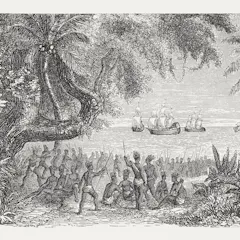
Popular culture often describes scalping − the forceful removing of a person’s scalp − as an indigenous practice. But white settlers accelerated this form of violence against Native Americans.
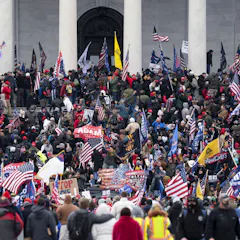
The events of Jan. 6, 2021, have been called an insurrection. The same word has often been used to describe the mostly forgotten rebellions against plantation owners by enslaved people.
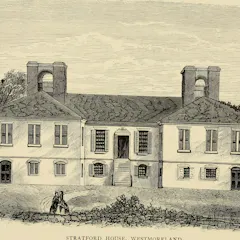
There’s a bittersweet history to chocolate in America. At one plantation museum in Virginia, the story of enslaved chocolatier Caesar shows the oppression that lay behind the elite’s culinary treat.
Top contributors
-

Assistant Professor of Argumentation & Advocacy, Emerson College
-
Professor of History, University of New Hampshire
-
Professor, UMass Lowell
-
Associate Professor of History, UMass Lowell
-
Visiting Scholar, University of California, Berkeley
-
Curator, Division of Political History, Smithsonian Institution
-
Assistant Professor, University of South Dakota
-
Assistant Professor of History, University of Tampa
-
Professor of History, Binghamton University, State University of New York
-
Curator of Medicine and Science, National Museum of American History, Smithsonian Institution