
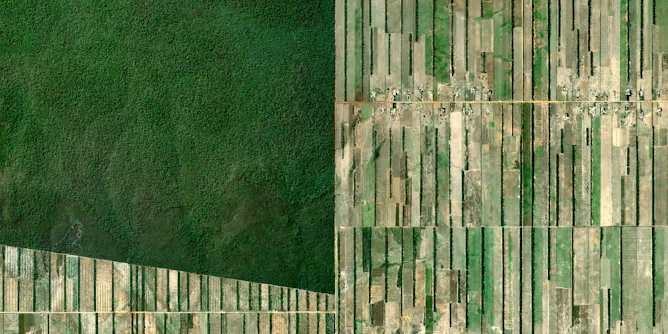
Surging deforestation in Bolivia means the country now ranks as one of the highest carbon emitters in the world.
Articles on Amazon fires
Displaying 1 - 20 of 25 articles
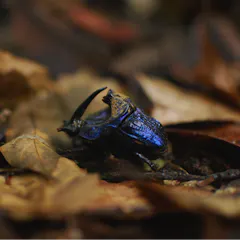
We know surprisingly little about the millions of animals, plants and birds that live in the Amazon – here’s how we can understand them better.
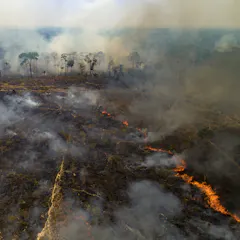
Deforestation and extreme blazes threaten the region’s biodiversity, risk transforming the rainforest into a semi-arid savannah and expose people to zoonoses that could spur new pandemics.
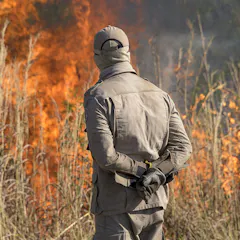
Fires that burn the forest burn crops and pastures alike. But farmers in the eastern Amazon are left with few good options.
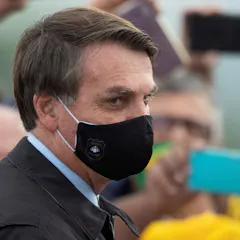
A repeat of 2019’s disastrous fire season is possible in 2020, and it would have dire consequences.
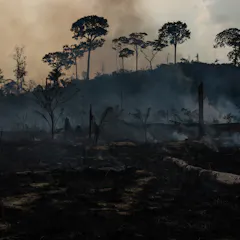
A new study finds 70% of Amazonian dung beetles were killed by the severe fire and droughts of 2015 to 2016. By spreading seeds and poop, dung beetles fertilize forests and aid regrowth of vegetation.
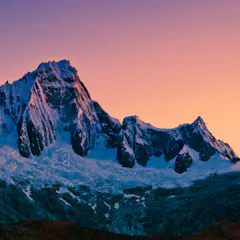
‘Black carbon’ from rainforest fires is settling on glaciers and making them melt faster, according to new research.
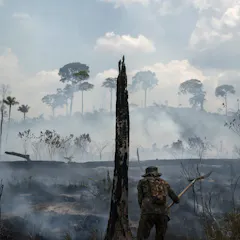
Destruction of rainforests through wildfires or deforestation may harm human health. As these forests disappear, we may be losing precious medicinal plants that hold treatments for various diseases.
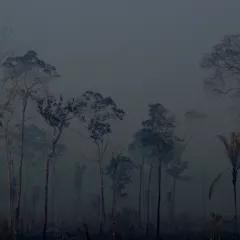
Brazilian evangelicals are politically conservative, but they still believe in climate change. Turning them into climate activists, however, will be a challenge for the environmentalist movement.

Hundreds of bishops, priests, missionaries and tribal leaders are at the Vatican for the Synod of the Amazon, a three-week meeting focused on the environmental crisis threatening Amazonian peoples.

Reversing the damage from fires in Brazil’s rainforest is not as simple as allowing trees to grow back. Decades of research shows how fires degrade their long-term health and utility.
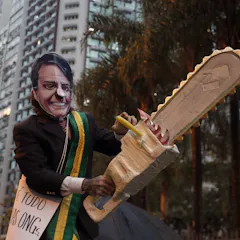
Destroying the Amazon rainforest will accelerate climate change, harming millions. Can those responsible be prosecuted?
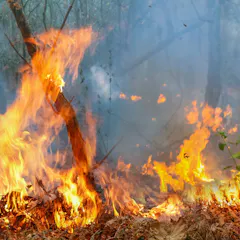
The Amazon will take a lifetime to recover from this year’s fires – if it ever does.
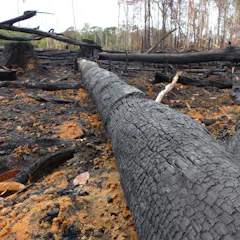
Rainforest fires heat the planet, but the degraded forest left behind has far more consequences for the local environment.
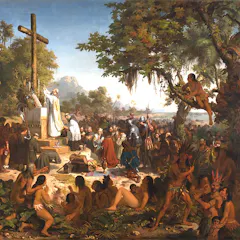
After five centuries of extraction, the Amazon region stands on the brink.
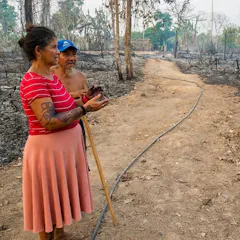
Huwã Karu Yuxibu, the cultural centre of the Huni Kuin indigenous group in the Amazonian state of Acre, was destroyed by fire in August.
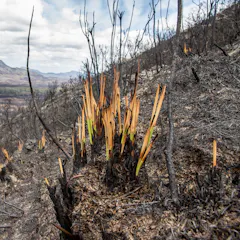
Not only can plants survive fire, they can use the experience of being burned to prepare themselves for future blazes.
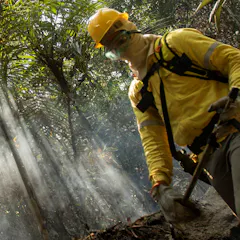
You didn’t cause the fires, but you can help prevent them spreading.

Fire doesn’t have to be destructive. For many in the Amazon, it is part of their livelihood and culture.
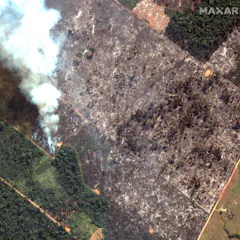
What the Amazon fires mean for Jair Bolsonaro politically.
Top contributors
-

Professor of Conservation Science, Lancaster University
-
Senior Research Associate in Tropical Forest Ecology, University of Oxford
-
Lecturer in Work, Employment and Organisation, University of Strathclyde
-
Reader in Ecology and Conservation Biology, Manchester Metropolitan University
-
UKRI Future Leaders Fellow / SeniorLecturer, University of Bristol
-
Researcher in Ecology, Universidade Federal do Pará (UFPA); Empresa Brasileira de Pesquisa Agropecuária (Embrapa)
-
Postdoctoral Research Fellow, Tropical Climate, University of Leeds
-
Postdoctoral Research Associate in Environmental Policy, ETH Zurich
-
Executive Director of the Stone Center for Latin American Studies, Tulane University; King's College London
-
Reader in Cultural Geography and Communication, University of Westminster
-
Research Associate, Conservation Evidence, Department of Zoology, University of Cambridge
-
Senior Lecturer in Earth Systems Sciences, University of Exeter
-
PhD Researcher, Climate Science, Keele University
-
Associate Professor, Stockholm Resilience Centre, Stockholm University
-
Professor of Environmental Geography, Royal Holloway, University of London