
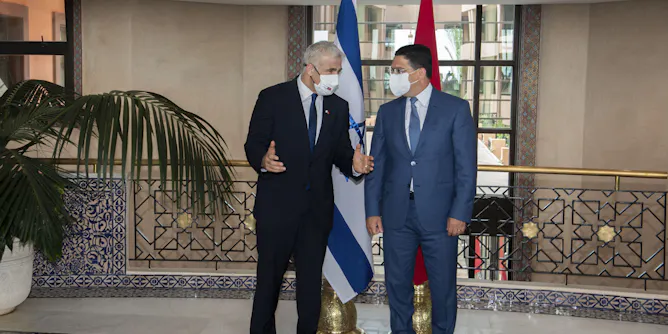
In the last decade, Morocco exploited the lethargy of Algeria’s diplomacy and the paralysis of the political system to advance its interests, often to the detriment of Algeria
Articles on Algeria
Displaying 41 - 60 of 92 articles
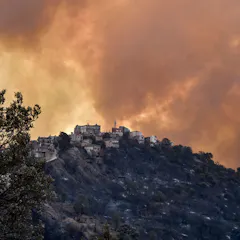
With a massive territory to manage, all actions taken - to prevent, to detect and to fire fight - aren’t enough.
Formation of the African Union shows how social context is important in international negotiations.

South Africa’s famous toyi-toyi was adopted from Zimbabwean troops, who learned it in Algeria – showing the interconnected nature of Africa’s liberation struggles.
The shrinking of Lake Chad contributes to instability in the countries which sit around its expanse.
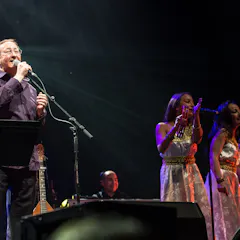
Idir’s songs gave Kabyles a sense that their culture counted: that their customs and traditions could form a part of a modern Algerian nation.
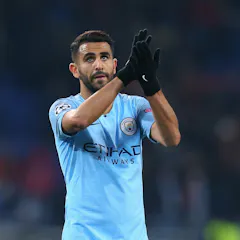
In football, a number of African teams draw heavily on their European-born diasporas, a reflection of a colonial past and deeply entrenched migration routes.

Looking at his brilliant career is looking into Algeria’s relationship with its history and identity, but also questioning what it means to be exiled.
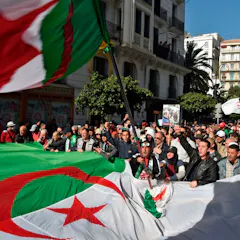
They protest to have a sound economic system based on healthy competition and free enterprise.
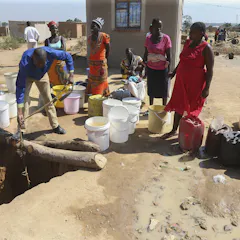
The 17 goals seek to end all forms of poverty everywhere by 2030, by achieving 169 targets. Progress in achieving them does not match the hype.
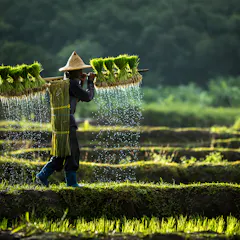
Land reform has always been closely tied to shifts in the wider political economy of countries.
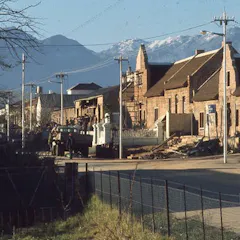
There are three important issues to consider when thinking about quakes: what causes them; how to prepare and plan for them; and, how to move on after a damaging quake.
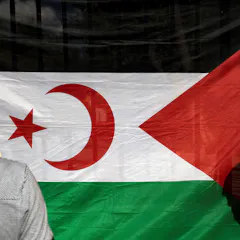
At first glance, it would seem like nothing has changed since 1991. Yet, things have been slowly and discreetly evolving in recent years at Morocco’s behest.
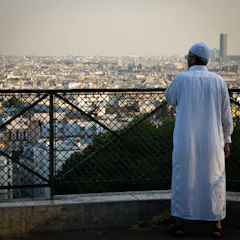
Muslims make up 9% of France’s population and half of all its prisoners – many convicted on drug charges. But social justice isn’t part of the country’s growing debate on legalization.

Pan-African festival marked the emergence of a post-imperial world
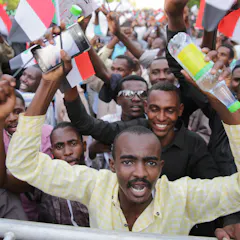
The killing of protesters by the Sudanese military signifies its reluctance to hand over power, as demanded by the African Union.
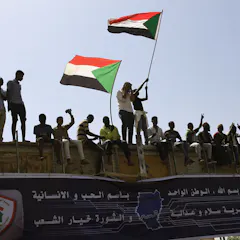
The role of the military in toppling authoritarian rulers, after intensive popular protests, raises questions about how the AU’s policy against coups should be applied.
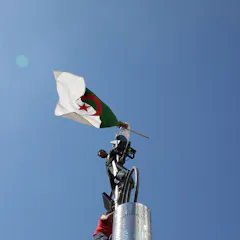
Government restrictions on individual freedoms in the name of public security is increasing.
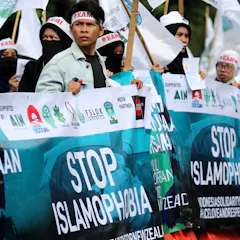
Some Muslims hide their identity, pretending to be less devout than they actually are, in a bid to deflect Islamophobia.
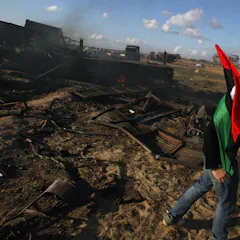
When the 2011 Libyan civil war erupted, Twitter became a major instrument to air the rebels’ account of the conflict and present themselves internationally as a viable alternative to Moammar Gadhafi.
Top contributors
-

Visiting fellow at the Brookings Doha Center and Senior Professor of International Studies and Director of Research in Geopolitics, Kedge Business School
-
Director of the Leaders of Africa Institute and Research Affiliate with Davidson College, Davidson College
-
Research Fellow at the University of the Free State, South Africa and Assistant Professor in the History of International Relations, Utrecht University
-
Extraordinary Lecturer, University of Pretoria
-
Lecturer in French Studies, University of Westminster
-
Professor of Interdisciplinary Studies, Emerson College
-
Senior Lecturer in Modern European History, Manchester Metropolitan University
-
Director of programmes, African Academy of Sciences
-
Associate professor, University of Ibadan
-
Associate research scientist, Université Paris 1 Panthéon-Sorbonne
-
Associate Professor of International Studies, University of Nottingham
-
Afrobarometer Senior Analyst/Methodologist, University of Cape Town
-
Tshwane University of Technology
-
Associate Professor of History, Indiana University
-
Senior Lecturer in International Relations, University of Aberdeen