

Alcohol abstinence alters brain activity in ways that may drive someone with alcohol use disorder to relapse.
Articles on Alcohol addiction
Displaying all articles

GLP-1 drugs show promise for more than weight loss. They also cut substance abuse and are changing how we think about the brain’s reward system.

Many parents think that drinking at home is a safe way to teach teenagers about alcohol, but research suggests this is not true.

While Back to Black succeeds in avoiding harmful representations of addiction, viewers don’t get a deep insight into its realities and complexities.

Heavy use of alcohol by caregivers places children at increased risk of serious harm. This burden of alcohol-related maltreatment is similar to traffic deaths caused by others drinking.

There’s a lot of bad advice out there for families struggling with the alcohol or other drug dependence of a loved one. Here’s what works, and what doesn’t.

The story of the alleged Atlanta shooter highlights the two most common ways Americans think about compulsive behaviors – considering them the results of temptation and treating them as diseases.

If you’re struggling to cut back on the booze, your subconscious brain may be over-riding your conscious brain. A new form of brain training targets our subconscious tendencies towards alcohol.

The brain’s immune system cells (called microglia) have already been shown to be involved in addiction to other substances.

Despite World Health Organisation warnings that heavy alcohol consumption increases the risk of severe complications of COVID-19, alcohol was sold as an essential item during New Zealand’s lockdown.
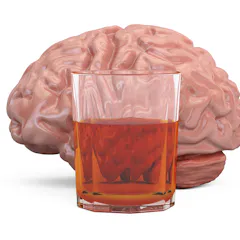
One in six US adults binge drinks, consuming about seven drinks per binge. A new study can predict which mice are hardwired to binge drink. Is it possible to do the same for humans?

A study has found children between the ages of 8 and 14 who take care of a family member with a drug addiction or mental illness aren’t very happy at, and don’t feel all that safe, at school.

Thousands of Australians go to residential drug and alcohol rehab programs every year. But is there evidence rehabs, as well as the group therapy they often rely on, actually work?

Some think labelling it a disease is a helpful way to think about addiction; others think this makes the addict helpless in their fight against addiction. Two academics debate both sides of the coin.
The rate of risky drinking among young people is decreasing, while risky drinking among older adults is increasing.
Top contributors
-

Adjunct Professor at the National Drug Research Institute (Melbourne based), Curtin University
-
Senior Lecturer of Addiction, Edith Cowan University
-
Academic Program Director (Health), The University of Melbourne
-
Professor and Director of the National Centre for Education and Training on Addiction, Flinders University
-
Professor, Mental Health and Addiction, Rural Health Research Institute, Charles Sturt University
-
Professor of public health policy, Te Kunenga ki Pūrehuroa – Massey University
-
Assistant Professor of Pharmacology, Vanderbilt University
-
Research Fellow in Neuroimmunology, UCL
-
Head of Research at Institute of Alcohol Studies, Visiting Researcher, King's College London
-
Senior Research Officer and Statistician, Te Kunenga ki Pūrehuroa – Massey University
-
Associate Professor, gender, ageing and care, University of Sydney
-
Associate Professor, Monash University
-
Associate Professor in alcohol policy, Te Kunenga ki Pūrehuroa – Massey University
-
Sessional psychology lecturer, Australian Catholic University
-
Associate Professor of Women's Studies, University of Florida