

The people of northern Virginia have been living with data centers for many years. But even they are resisting new developments. And they have specific wishes for how to regulate them.
Articles on AI transparency
Displaying all articles

YouTube was found to have used AI to edit videos without creators’ consent. And it’s not the first time a media company has done this.

They say honesty is the best policy − but when it comes to using AI on the job, research suggests that can backfire.
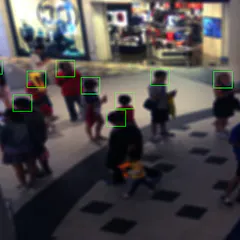
The damage AI algorithms cause is not easily remedied. Breaking algorithmic harms into four categories results in pieces that better align with the law and points the way to better regulation.
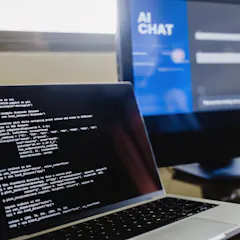
The news industry has high hopes that the use of AI could lead to better journalism, but there is still a lot of work to be done in terms of figuring out how to use it ethically.
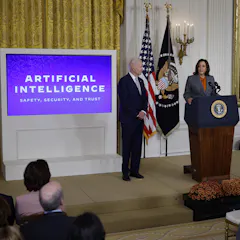
In the absence of comprehensive AI regulation from Congress, the executive branch is building on its previous efforts to address AI harms.

ChatGPT is fuelled by our intimate online histories. It’s trained on 300 billion words, yet users have no way of knowing which of their data it contains.

We’re facing a significant advance in AI using methods that are not described in scientific literature, and with datasets restricted to a single for-profit company.
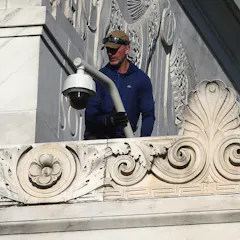
Politicians of all stripes, computer professionals and even big-tech executives are calling on government to hit the brakes on using these algorithms. The feds are hitting the gas.

No one knows exactly how AI-based DNA analysis software works, so it can’t be scrutinised in court.
Top contributors
-

Professor in Business Information Systems, University of Sydney
-
Professor of Information Systems, Michigan State University
-
Postdoctoral research fellow, University of Strathclyde
-
Professor of AI, Research Group Leader, UNSW
-
Professor of Computer, Web and Cognitive Sciences, Rensselaer Polytechnic Institute
-
Associate Professor, Journalism, Toronto Metropolitan University
-
Graduate Researcher, Explanatory Journalism Project, Toronto Metropolitan University
-
Adjunct Professor, RTA School of Media, Toronto Metropolitan University
-
Associate Professor, School of Professional Communication, Toronto Metropolitan University
-
Assistant Professor of Law, American University
-
McClelland Professor of Marketing, University of Arizona
-
Director of the Center for Trust Studies, Professor of Management and Organizations, University of Arizona
-
Postdoctoral Researcher, Discipline of Media and Communications, University of Sydney
-
Professor of Citizenship and Democracy, Syracuse University
-
Associate Professor of Policy and Government, George Mason University