
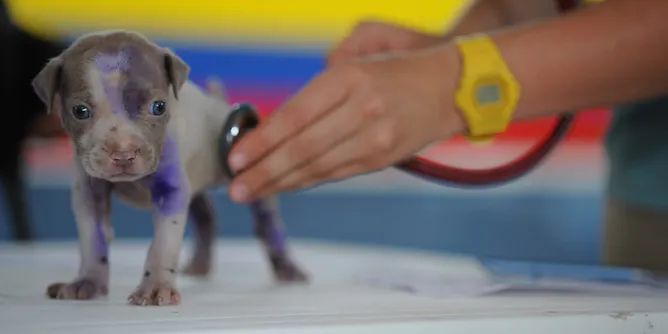
Veterinarians are already at risk of emotional distress and burnout. The experiences of an Alberta veterinary practice shows COVID-19 is having a further impact.
Articles on Agribusiness
Displaying 21 - 40 of 69 articles
COVID-19 has proven that prioritizing the economy over the lives of the poorest and most vulnerable should never be an acceptable fix to economic woes.

And why development funders should listen to smallholder farmers
The question in drought relief is this: do we want more or fewer people to be involved in a farming activity that is vulnerable to drought?

These inspirational food sharing initiatives around the world demonstrate that sustainable food system can – and should – be democratic.
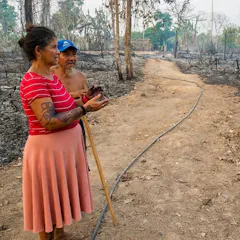
Huwã Karu Yuxibu, the cultural centre of the Huni Kuin indigenous group in the Amazonian state of Acre, was destroyed by fire in August.
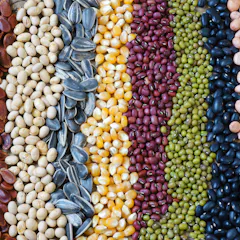
Sharing seeds was common practice among farmers throughout history until the rise of agribusiness. Now seeds are trademarked and regulated, but there’s a new place to get them for free: the library.
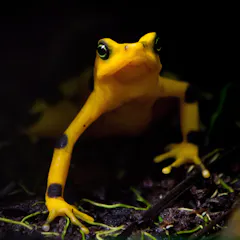
As much as one-third of animal species in the tropics could be eradicated if their habitats continue to be converted for monoculture farming. We can all do something to make a difference.

The global food system has been operating in post-truth mode for decades.

Netflix’s new film is a timely intervention into discussions on whether it can ever be ethically sound to eat meat.
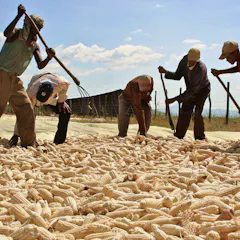
Many African countries are still searching for inclusive commercial farming models that can bring in private investment without dispossessing local people.
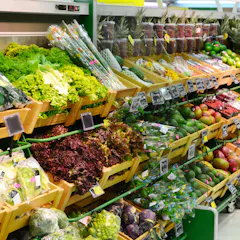
Getting food on to our plates out of season relies on a fragile business ecosystem. The latest shortages show how easily this can break down.
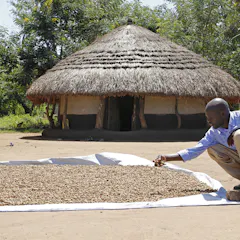
US farmers and agribusiness can help themselves by helping Africa to meet its rapidly growing food needs.
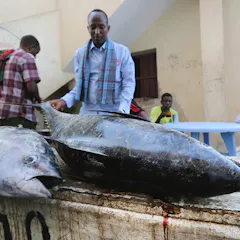
The gains reported in 2016 went hand in hand with overall growth in Africa over the last two decades.
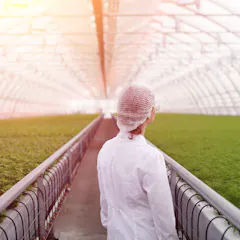
Ensuring the next 10 billion people are fed fairly will require a radical restructuring of global agri-tech.
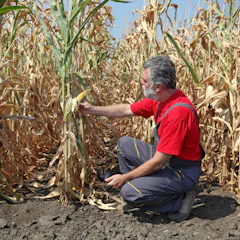
South Africa has been hit by a severe drought and will not be able to produce enough maize - its staple food - in 2016. This will prompt a rise in imports and therefore food prices.

Monsanto an other biotech companies got caught short in the 1990s. But since then, the GM argument has been moving in their direction.
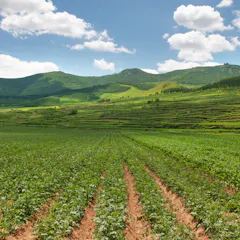
The solutions presented by GM crops are rarely tested against the other options. Take a look at our philosophy of farming and it all starts to make sense.
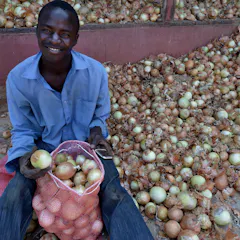
Young people are shunning Africa’s agricultural sector despite high levels of unemployment and food insecurity. This underscores the need to demonstrate the profitability of agriculture.
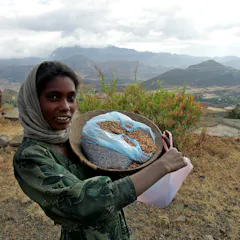
The seed industry in sub-Saharan Africa suffers from many challenges. India, which has one of the biggest seed markets in the world, offers some lessons on how these challenges could be overcome.
Top contributors
-

Senior Fellow, Department of Agricultural Economics, Stellenbosch University
-
Adjunct Professor in Animal Welfare, Curtin University
-
Professor of the Practice of International Development, Harvard Kennedy School
-
Visiting professor, Strathmore University
-
Lecturer, The University of Melbourne
-
Professor in Human Geography, University of Sydney
-
Lecturer, Business School, University of Sydney
-
Professor of Population Ecology, University of Leeds
-
Prof. Institute for Molecular Bioscience, The University of Queensland
-
Winthrop Professor, Entrepreneurship, Innovation, Marketing and Strategy, The University of Western Australia
-
Professor, Sprott School of Business, Carleton University
-
Professor and Director, Metabolic Biology, John Innes Centre
-
Professor and Chair, Department of Horticulture, University of Wisconsin-Madison
-
Professor of Ecology, University of Cambridge
-
Professor, Institute for Poverty, Land and Agrarian Studies, University of the Western Cape