
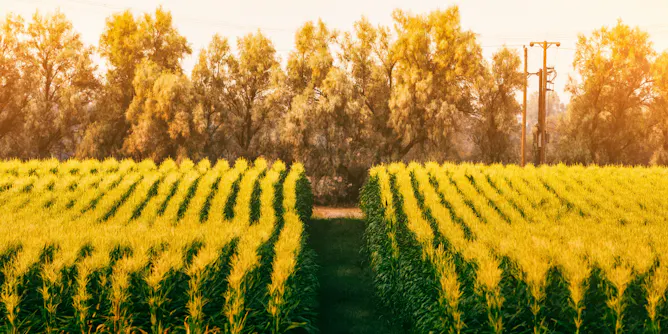
Trade within the Southern African Development Community is an issue holding back agriculture.
Articles on Agribusiness
Displaying 1 - 20 of 69 articles

Brazil holds 12% of the world’s freshwater reserves and yet growing water insecurity reveals some of the country’s deepest sanitation inequalities, which are particularly relevant to Marajó, its largest coastal island.

Africa’s share of the world’s agriculture exports is low and has deteriorated over time.
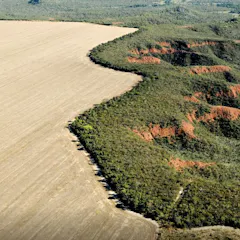
Between rhetoric and practice, the country faces contradictions that today fuel hunger, accelerate deforestation and undermine our climate future.
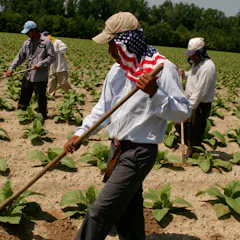
The number of farmworkers in the US with H-2A visas has tripled since 2013.
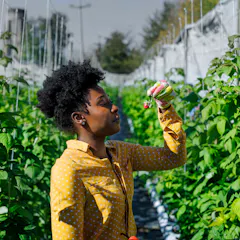
Governments need to re-frame farming as a technologically forward-thinking career for young people.
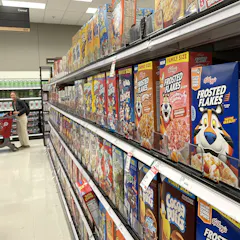
Consumers would rather see the prices of their favourite products go up than have them resemble knockoffs.
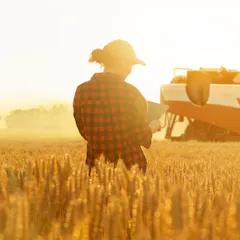
Women – and daughters-in-law in particular – are often seen as a threat to the continuity of the family farm, and tactically excluded from succession plans.

Severe weather and disease in Brazil’s main growing regions have led to a major global shortage. Australia does grow a lot of its own oranges, but still relies heavily on imported juice.
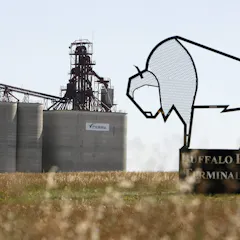
One hundred years after the founding of the once-mighty Saskatchewan Wheat Pool, the time might be ripe for a revival of Prairie farmer co-operatives.
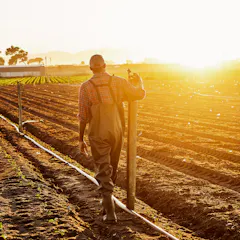
South Africa’s agriculture could do even better but is held back by power cuts and poor infrastructure
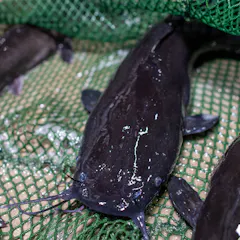
African catfish can be prepared for sale in canned form, which is more attractive to consumers.

Farm consolidation, increasing land concentration and expanding investor ownership of farmland is leading to growing land inequality in the Canadian Prairies.
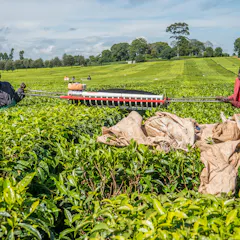
Average farm machinery use in Africa is among the lowest in the world.
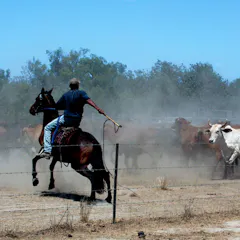
The agricultural workforce is changing but a worryingly unsophisticated understanding of workforce diversity lingers in the sector – especially in terms of Indigenous involvement in agriculture.
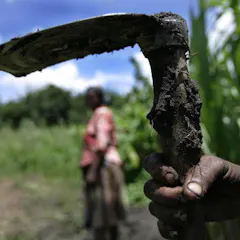
Eliminating the divide between commercial agriculture (mainly white) and subsistence farming (mainly black) requires effective public policy and the right incentives.

Ghana is losing out the booming global cashew industry in terms
of job and revenue generations.
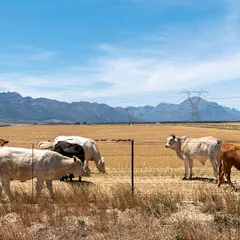
The collapse of local government in small towns is beginning to affect investment in farming, and the ability of agribusinesses to operate.
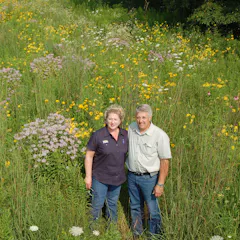
It’s possible to feed the world’s 7.8 billion people with more environmentally friendly farming practices. Here’s how.
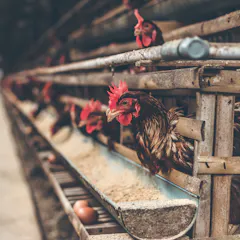
What are known as ‘ag-gag’ laws impede the transparency Canadians expect from farms and food-production facilities, particularly dangerous in the COVID-19 period.
Top contributors
-

Senior Fellow, Department of Agricultural Economics, Stellenbosch University
-
Adjunct Professor in Animal Welfare, Curtin University
-
Professor of the Practice of International Development, Harvard Kennedy School
-
Visiting professor, Strathmore University
-
Lecturer, The University of Melbourne
-
Professor in Human Geography, University of Sydney
-
Lecturer, Business School, University of Sydney
-
Professor of Population Ecology, University of Leeds
-
Prof. Institute for Molecular Bioscience, The University of Queensland
-
Winthrop Professor, Entrepreneurship, Innovation, Marketing and Strategy, The University of Western Australia
-
Professor, Sprott School of Business, Carleton University
-
Professor and Director, Metabolic Biology, John Innes Centre
-
Professor and Chair, Department of Horticulture, University of Wisconsin-Madison
-
Professor of Ecology, University of Cambridge
-
Professor, Institute for Poverty, Land and Agrarian Studies, University of the Western Cape