
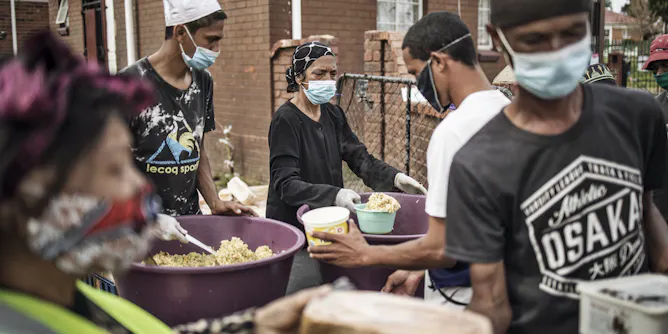
Problems caused by malnutrition - such as obesity - are on the rise in South Africa, with serious health consequences.
Articles on AfricaNutrition2022
Displaying all articles

South Africa should introduce regulations that mandate the nutritional labelling of fast foods. This will help consumers make informed dietary choices.

As the global South transitions to a predominantly urban future, food offers a way to understand the role of cities in future development.
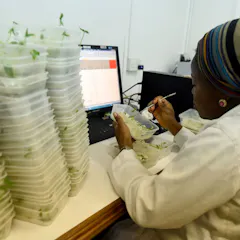
What’s needed is a prioritisation of the health and medicinal values of the food that’s consumed in African countries.
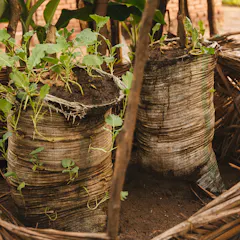
Despite their popularity, there are reasons to doubt whether “home gardens” provide a sustainable and cost-effective way of addressing hidden hunger.
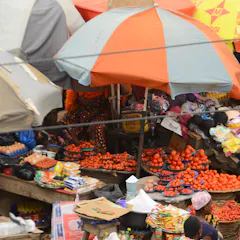
The potential exists for malnutrition to exacerbate the health consequences of the COVID-19 epidemic.
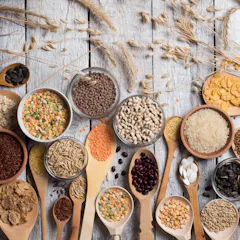
Combining and fermenting readily available indigenous African crops can help counter malnutrition on the continent.
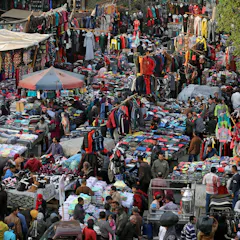
Obesity is on the rise among urban African women of reproductive age in all of the 24 countries studied.
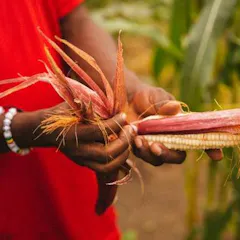
Policy choices made by Senegal, Ghana, Rwanda, Angola, Cameroon, Ethiopia and Togo over the past 15 years have led to significant reductions in child undernourishment.
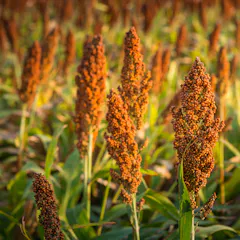
Pulses – or grain legumes – are indigenous foods that can play a massive role in tackling food security on the African continent.
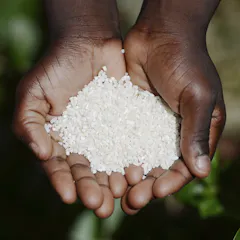
There are a number of efforts on the African continent aimed at helping people overcome food insecurity. Even though some progress has been made, the situation remains bleak.
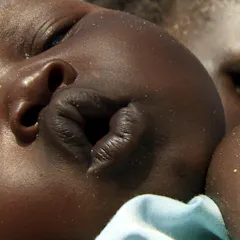
Over the last three years Kenya has seen marked improvements in its nutrition-related targets as a result of a national nutrition plan it has implemented.
Top contributors
-

Principle dietitian at the Nutrition Information Centre, Stellenbosch University
-
CGIAR
-
Professor Extraordinaire, Tshwane University of Technology
-
Professor and Head of Division Human Nutrition at the Faculty of Medicine and Health Sciences, Stellenbosch University
-
Network and Research Manager: ARUA – UKRI GCRF FSNet Africa, University of Pretoria
-
Professor in Food Security; Head of the Department of Agricultural Economics, Extension and Rural Development, University of Pretoria
-
Senior Research Fellow, International Food Policy Research Institute (IFPRI)
-
Senior scientist, University of Bonn
-
CIGI chair in Gloal Migration and Development, Professor of Geography and Enviromental Studies, Wilfrid Laurier University
-
Associate professor, food chemistry, University of Pretoria
-
Senior Research Scientist, African Population and Health Research Center
-
Associate Research Scientist, African Population and Health Research Center
-
Researcher at the African Centre for Cities, University of Cape Town
-
Senior Research Fellow, International Food Policy Research Institute (IFPRI); Research Fellow, World Institute for Development Economics Research (UNU-WIDER), United Nations University
-
Researcher at the University of Pretoria, University of Pretoria