
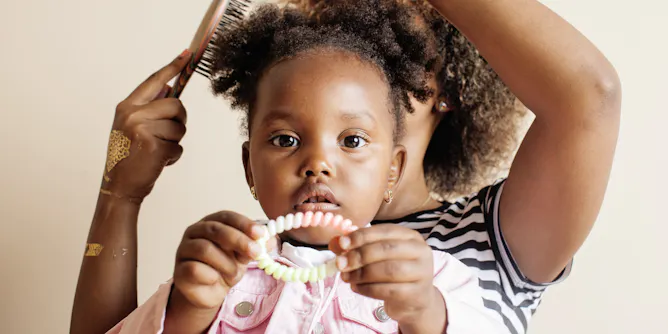
Hair has long been a source of anxiety and shame for African-Americans. One psychologist has made it her life’s work to reverse this trend.
Articles on African Americans
Displaying 261 - 280 of 333 articles
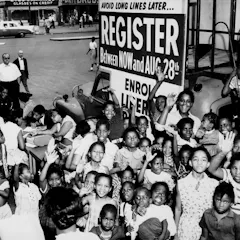
Laws that restrict who can vote are facing challenges in several states. A historian explains how people mobilized against voting restrictions of the 1960s, and why their strategy is still important.
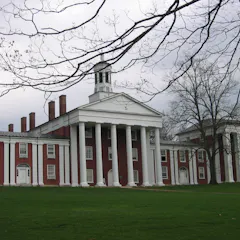
The slave trade was used to fund American universities. Scholars are looking to recover the lost stories of the enslaved humans who built some of America’s oldest institutions.
On the 20th anniversary of Bill Clinton’s promise to “end welfare as we know it,” a social work scholar asks why child poverty is still such a problem in the U.S. and what race has to do with it.
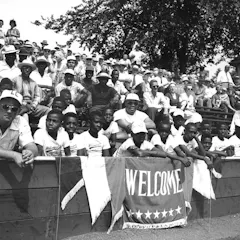
Charleston’s Cannon Street YMCA All-Stars thought they’d have a chance to compete for a spot in the coveted Little League World Series. But South Carolina’s Little League director had other ideas.

The Baltimore Police Department is found to have violated the civil rights of poor blacks. A historian explains why those findings are eerily similar to how the city treated blacks in the 1800s.
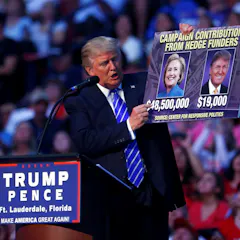
Achieving greater freedom and equality for all identity groups is African democrats’ primary goal. By contrast, American democrats have traditionally been preoccupied with individual rights.
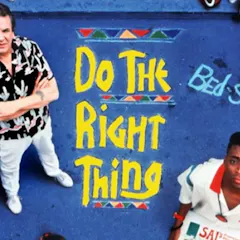
With #BlackLivesMatter and a never-ending list of African Americans being killed by police, the film ‘Do The Right Thing’ is even more relevant now than when it was released 27 years ago.

Do Americans view all youth as equally ‘innocent’? A historian takes us back to the movement that led to unequal treatment of black and white youth in the justice system.
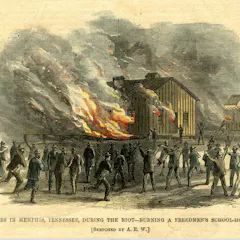
The struggle for equal rights for black citizens in the U.S. today is backed by the promise of the 14th Amendment. A historian takes us back to the grassroots movements that led to its passage.
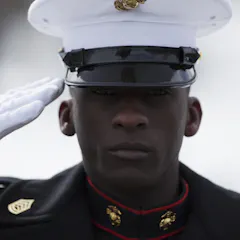
The men who killed police officers in Dallas and Baton Rouge were black veterans. A historian explains black veterans’ long struggle to live with inequality in their military service, and back home.
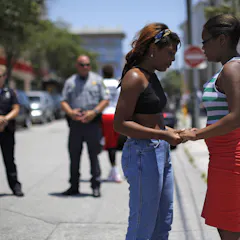
Six of the nine people who died were black women. One year later, a Brandeis professor examines how black women have endured a legacy of racial violence in the U.S.
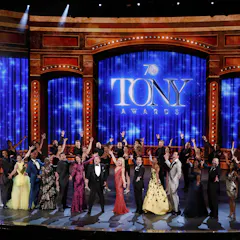
On the surface – and when compared to the Oscars – the 2016 Tonys looked like a groundbreaking moment for diversity in entertainment. But when it comes to inclusion, Broadway has a long way to go.
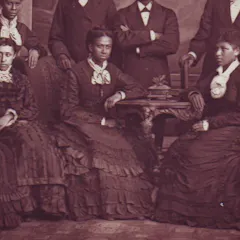
When biographer Gretchen Gerzina came across an old British newspaper article calling Sarah E. Farro “the first negro novelist,” she wondered: who was Farro, and why had she been lost to history?
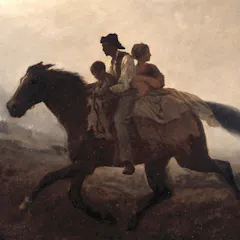
With Freedom on the Move, historians hope to reveal patterns of escape and capture, while giving anyone the chance to learn about the individual heroism of runaway slaves.

Irish immigrants and their descendants played a leading part in the Easter Rising of 1916 and Ireland’s subsequent rebellion. But the inspiration worked in the other direction as well.
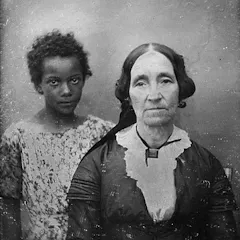
More than 150 years of scholarship and activism hasn’t brought us any closer to consensus.
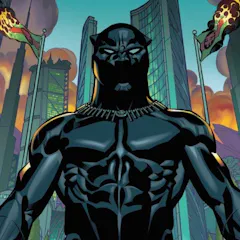
In the entertainment industry, the success or failure of a minority lead can be a referendum on whether or not to use diverse leads for future projects.
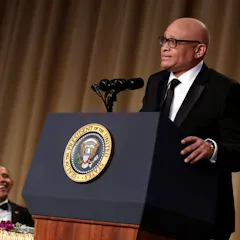
When comedian Larry Wilmore called President Obama ‘my n-gga’ during the White House Correspondents’ Association annual dinner, what was he really saying?
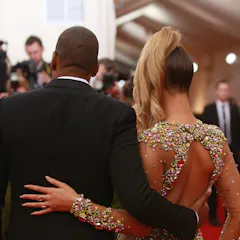
Prince had ‘Purple Rain.’ Michael Jackson had ‘Thriller.’ And now Beyoncé has her own self-reflective masterpiece.
Top contributors
-

Professor of Journalism, Indiana University
-
Canada Research Chair, Professor in Performance, Toronto Metropolitan University
-
Derek H. Alderman is a Friend of The Conversation.
Chancellor's Professor of Geography, University of Tennessee
-
Samuel J. and Augusta Spector Professor of History and African and African American Studies, Brandeis University
-
Professor of Political Science, LaGrange College
-
Professor of Social Work, Michigan State University
-
Associate Professor of Hip-Hop, University of Virginia
-
Professor of Geography and Senior Research Associate in the Rock Ethics Institute, Penn State
-
Professor of History, Morehouse College
-
Associate Professor of Communications, Elon University
-
Professor of American History, University of Colorado Colorado Springs
-
Associate Professor of History, University of South Carolina
-
Honorary Professor of International Relations, University of the Witwatersrand
-
Managing Director of the McCourtney Institute of Democracy, Associate Research Professor, Political Science, Co-host of Democracy Works Podcast, Penn State
-
Professor of Religious Studies, Michigan State University