
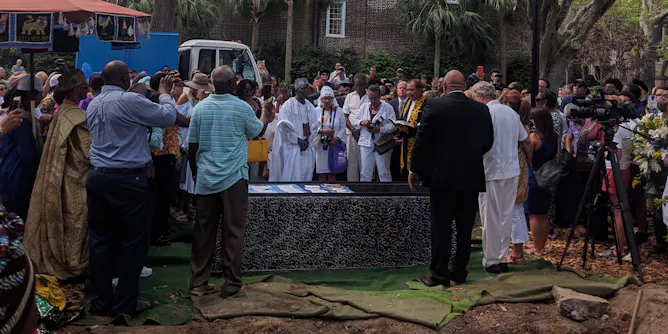
The movement to protect the long-obscured sites allows communities to reckon with painful histories through healing, remembrance and ancestral connection.
Articles on African American culture
Displaying 1 - 20 of 24 articles
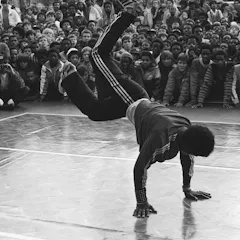
On Aug. 11, 1973, a block party in the Bronx spawned a genre that would go on to influence nearly all aspects of US culture – and the music, fashion and art of countries around the world.
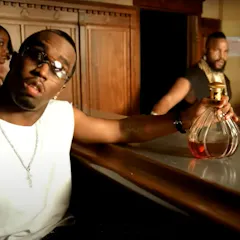
Legend has it that African Americans soldiers brought back a love of cognac after service in Europe in World War II. It’s a lovely story, but the history goes back much further.
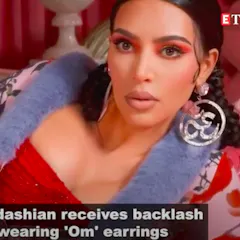
Celebrities and businesses have drawn criticism for cultural appropriation. An expert provides guidance on when it is sharing another culture out of appreciation and when it is appropriation.

A history of how African American congregations in Philadelphia weathered crises over 200 years.
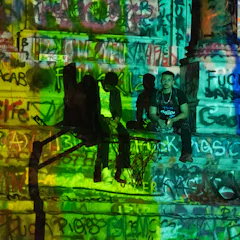
Protests of Confederate flags and monuments have grown since 2015, but resistance is not new. African Americans have been protesting against Confederate monuments since they were erected.
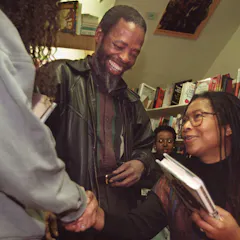
A study of the late Keorapetse Kgositsile shows how the poet influenced black American culture. It also shows how his mother and his grandmother’s oral traditions in turn influenced him.
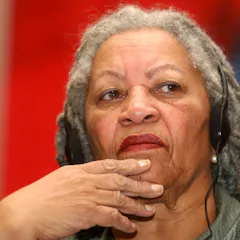
In some ways, perhaps Morrison is even more relevant in South African universities today than she’s ever been.
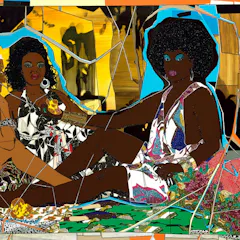
A recent and powerful exhibit by New York artist Mickalene Thomas at the Art Gallery of Ontario has opened the door for some deep discussions about Black Canadian women and visual representation.
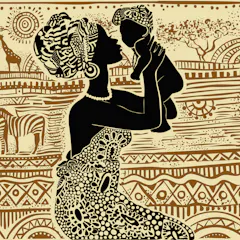
For African slaves, folk tales were a way of remembering their past and keeping their culture alive.
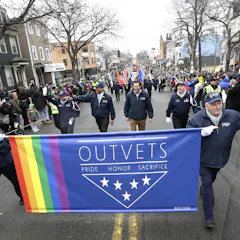
Whether it be African-Americans, Catholics or transgender people, the armed forces have played a vital role in shaping US social policy toward the country’s minorities.

A recent Pew survey reported that young African-Americans are more likely to be both victims and perpetrators of cyberbullying. Why?
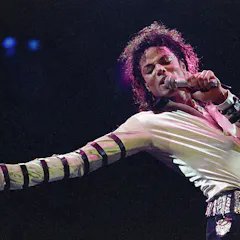
The story of African-American music is a story of eclipsing expectations and subverting norms.
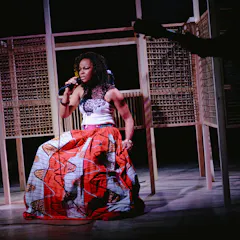
A new art exhibition in Johannesburg mines the rich intersections between Mozambique, South Africa and Portugal.
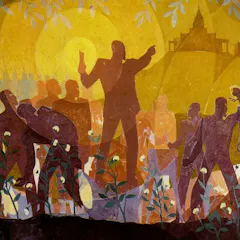
Many associate post-World War I culture with Hemingway and Fitzgerald’s Lost Generation. But for black artists, writers and thinkers, the war changed the way they saw their past and their future.
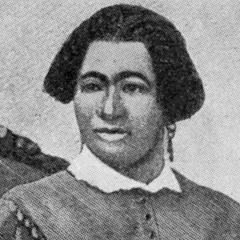
In the 19th century, critics and audiences thought blacks were incapable of singing as well as their white, European counterparts. Greenfield forced them to reconcile their ears with their racism.
How about a black Santa story, for a change?
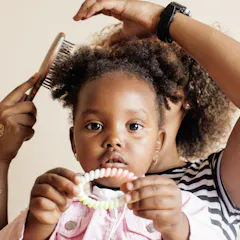
Hair has long been a source of anxiety and shame for African-Americans. One psychologist has made it her life’s work to reverse this trend.
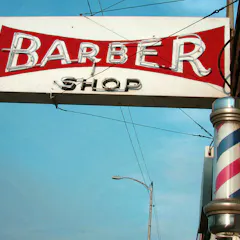
Is the decline of the corner barbershop another indicator that male friendships and community ties are eroding? Or could it simply mean that concepts of masculinity are shifting?
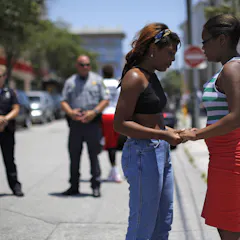
Six of the nine people who died were black women. One year later, a Brandeis professor examines how black women have endured a legacy of racial violence in the U.S.
Top contributors
-

Associate Professor, Department of Literary Studies in English, Rhodes University
-
Associate Professor, Tulane University
-
Kristen Barber is a Friend of The Conversation.
Associate Professor of Race, Ethnic and Gender Studies, University of Missouri-Kansas City
-
Canada Research Chair, Professor in Performance, Toronto Metropolitan University
-
PhD Candidate in Sociology, University of California, Riverside
-
Director, Institute for Popular Music, University of Rochester
-
PhD candidate in African-American Studies, UMass Amherst
-
Professor of English, Georgia State University
-
Samuel J. and Augusta Spector Professor of History and African and African American Studies, Brandeis University
-
PhD researcher in the fields of Popular Culture and Postcolonialism, The University of Western Australia
-
Lecturer, Stellenbosch University
-
Olin Professor of English and American Studies, Emeritus, Wesleyan University
-
Associate Professor of Religion, San Diego State University
-
Professor of Language and Literacy Education, Georgia State University
-
Assistant Professor of European Studies, University of Florida