
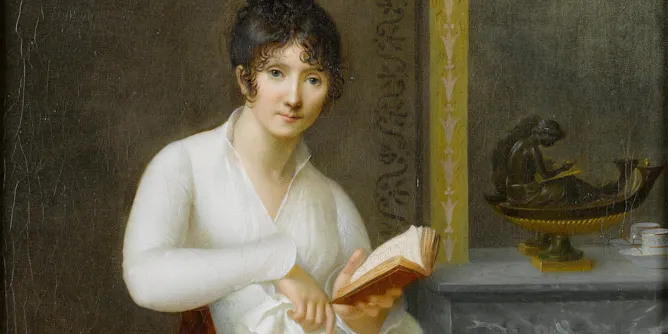
The fifth episode of Jane Austen’s Paper Trail explores Austen’s view of writing through the pages of Northanger Abbey.
Articles on 19th century literature
Displaying all articles

Henry James’ ‘The Princess Casamassima’ tells a story of political radicalism in a time of economic inequality. But even James ran up against the limits of putting himself in the mind of a killer.
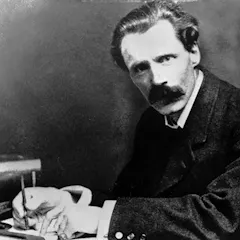
Amid the rise of vegetarianism in late 19th-century London, George Gissing used meat-free characters to probe themes of poverty, morality and social contradiction.
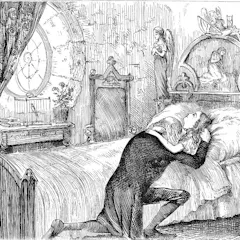
Between 40% and 50% of children didn’t live past 5 in the US during the 19th century. Popular authors like Charles Dickens documented the common but no less gutting grief of losing a child.
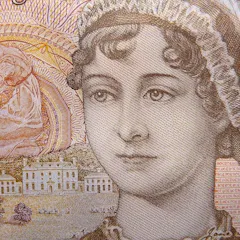
The author of ‘Pride and Prejudice’ and other classic novels used the words ‘slave’ and ‘slavery’ nearly a dozen times in her books.
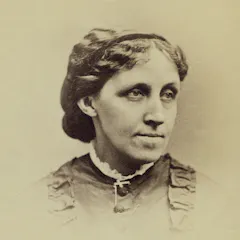
By disguising her name, Alcott could publish in less prestigious venues without worrying about tarnishing her literary reputation.
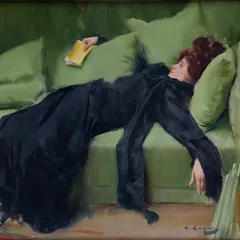
With its iconic designs and its showcasing of women writers, the Yellow Book gave its name to the decade.
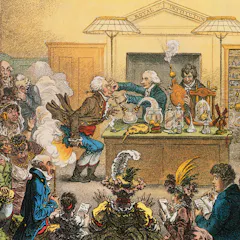
Davy’s famous lectures on the animating power of electricity may have inspired a young Mary Shelley as she came up with the idea for Frankenstein.
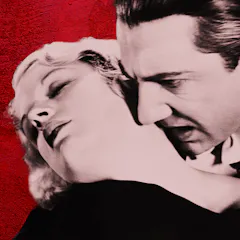
First published in 1897, Dracula is the best-known vampire story in English. It has been endlessly adapted for screen, but today’s stories tend to dilute the horror at the novel’s heart.
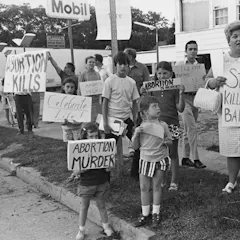
Sensationalism is ingrained in any conversation about abortion because the issue has long stood in for the country’s deepest fears.

Melville’s epic novel about life aboard a wayward whaling ship holds lessons for the climate crisis today.
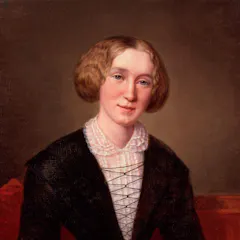
Henry James called her a ‘great, horse-faced bluestocking’. On the 200th anniversary of her birth, we celebrate George Eliot, a literary trailblazer with an endless appetite for ideas, living in a patriarchal time.

While clear-eyed about the country’s injustices, Melville never succumbed to cynicism. On the author’s bicentennial, American readers could use a dose of his ability to fuse realism with idealism.

The great thinker left thousands of comments in the margins of his personal library. Now these are being digitised and catalogued.
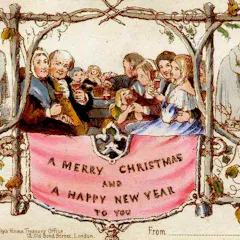
Leigh Hunt is a nineteenth-century writer who grappled with the question: How can we celebrate and enjoy ourselves at this time of the year when there is so much misery in the world?
Top contributors
-

Professor of History and American Studies, Cornell University
-
Research Fellow, Boston University
-
Professor of Print and Digital Cultures, Cardiff University
-
Lecturer in Eighteenth-Century and Romantic Literature, University of Birmingham
-
Professor in Politics and Journalism, University of Notre Dame Australia
-
Research Fellow, School of Advanced Study, University of London
-
Professor of English Literature, University of Alabama
-
British Academy Global Professor, Queen's University, Ontario
-
Senior Research Associate on the Davy Notebooks Project, Lancaster University
-
Associate Professor of English, University of Alabama at Birmingham
-
Research Associate on the Davy Notebooks Project, Lancaster University
-
Regents Professor of English, Arizona State University
-
Professor of English, Macalester College
-
Research Fellow at the Faculty of Business and Creative Industries, University of South Wales
-
Lecturer in English Literature, University of Southern Queensland