

‘Baby Reindeer’ raises questions about the effectiveness of content warnings. Viewers may still be vulnerable to secondary trauma, particularly those who have experienced similar violence.
Articles on 13 Reasons Why
Displaying all articles

We know we should exercise more and sit on the couch less … but what if television was actually healthy for you?

Over the past decade, more teens have attempted suicide. The trend has vexed researchers, but it’s that much more difficult to determine whether a fictional TV show has had any role.

Although a US study found a spike in teen suicides after 13 Reasons Why first aired on Netflix, rates of suicide are generally on the rise. The last thing we should do is shy away from the show.

Despite the controversy over the graphic content, this Netlix drama could be a lifeline for young people.

Season two of the controversial show tackles similar issues, and while Netflix appear to have taken heed of some concerns of mental health advocates some issues remain confronting and challenging

From ‘13 Reasons Why’ to real-life events, there’s been increased scrutiny on the link between bullying and suicide. However, research shows that we may not be getting the full picture.
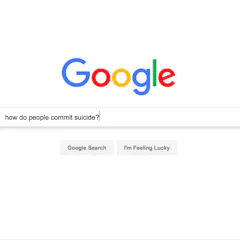
Researchers found that suicide-related searches soared in the weeks after the show’s release. What are the broader public health implications?

Many psychologists claim that 13 Reasons Why could incite young people to take their own lives. But their claims aren’t supported by evidence.

The series has divided critics: many have praised its sensitive depiction of rape and suicide, others have said it romantises taking one’s own life.

Broadcasters have a responsibility to understand the impact that certain content can have on an audience.

While there are some some safety concerns about watching the show, 13 Reasons Why raises many issues relevant to adolescents – and we should learn from them.
Top contributors
-

Professor of Health Promotion, Curtin University
-
Reader in Psychology, Leeds Beckett University
-
Associate Lecturer, Bath Spa University
-
Associate Professor of Counseling Psychology, Boston University
-
Associate Professor in Popular Culture, Bournemouth University
-
Child and Family Law Lecturer, University of Stirling
-
Enterprise Fellow (Senior Research Fellow/Senior Lecturer), Adelaide University
-
Senior Research Fellow in Mental Health, Victoria University
-
PhD Candidate, Sexuality Education, Queen's University, Ontario
-
Assistant Professor of Counselor Education and Rehabilitation Counseling, University of Alabama
-
Associate Professor of Social and Behavioral Sciences, Rutgers University
-
Professor of Psychology, Mississippi State University