

Our research has also uncovered major long-term changes in ancient animal populations at Denisova Cave, and has provided the first direct evidence of Homo sapiens having lived there.
- Professor, University of Wollongong
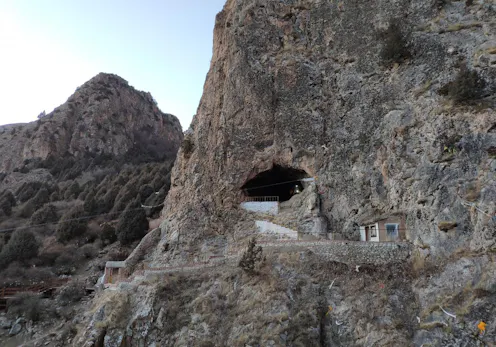
Early humans called Denisovans lived in a remote mountain cave between 100,000 and 60,000 years ago, and possibly longer still, raising intriguing questions about their relationship to modern humans.

New studies reveal when the Denisovans and their Neanderthal cousins occupied a cave in southern Siberia. It’s the only site known to have been inhabited by them and by modern humans.
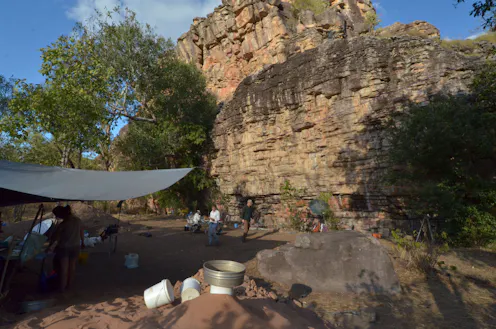
A new study pushes back the first known evidence of human activity in Australia – to 65,000 years ago.

A team of archaeologists strived to improve the reproducibility of their results, influencing their choices in the field, in the lab and during data analysis.
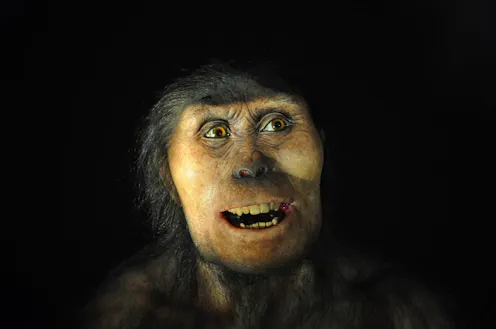
Ever since the Neandertal (Homo neanderthalensis) type fossil was discovered in the Neander Valley of Germany in 1856, the species has been variously portrayed as knuckle-dragging cavemen and primitive…
Contact Zenobia for
- General
- Media request
- Speaking request
- Consulting / Advising
- Research collaboration
- Research supervision
- Location: Wollongong, Australia
- Website
- Article Feed
- ORCID
- Joined
