
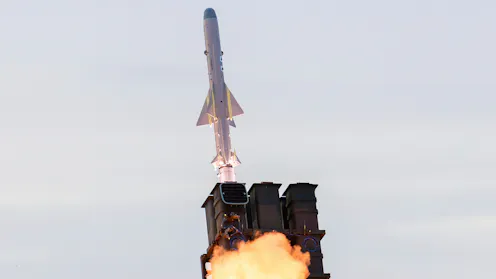
Australia’s military AI policy draws on those of its closest allies. But it reads more like a statement of intent.
- Senior Lecturer, School of Engineering, Australian National University
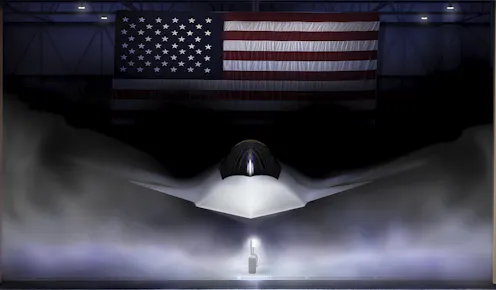
The new strategy leans heavily on AI hype – with potentially fatal consequences.

AI weapons present many challenges – but these ultimately stem back to people.

Google’s approach could harm competition and creativity, and make the AI industry even less transparent.

The Turing test has been popularised as the ultimate indicator of machine intelligence. But the truth is more complicated.
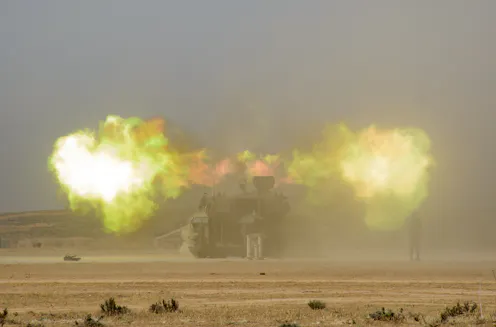
Other big tech companies such as Meta and OpenAI have also recently allowed for more military uses of AI. So why is this happening now?

The tech giant previously prohibited people from using its AI software for military purposes. The shift poses challenges not just for the public – but militaries as well.

A UN report proposes seven recommendations for addressing gaps in current AI governance. It’s a small step forward, but it needs refining.
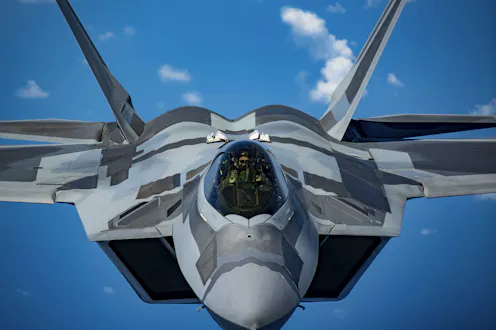
At a recent global summit, 2,000 government officials and experts met to discuss the responsible development and use of AI by militaries.

The landmark ruling against the tech giant could change the way we all use the internet.

Governments around the world keep filing antitrust lawsuits against the ‘big four’ tech companies. Here’s why that matters for everyone who uses their products.

For decades, woman ‘computers’ worked behind the scenes while their male counterparts received recognition. The AI industry must not be an example of history repeating itself.
Contact Zena for
- General
- Media request
- Speaking request
- Consulting / Advising
- Research collaboration
- Research supervision
- Location: Australia
- Website
- BlueSky: @zenaassaad.bsky.social
- LinkedIn: dr-zena-assaad/
- Article Feed
- Joined
