
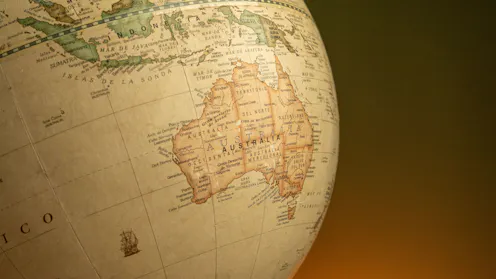
A new study shows that workplace priorities for Australian historians make it harder for their work to reach Australian readers – despite strong public interest.
- Senior Lecturer in History, La Trobe University
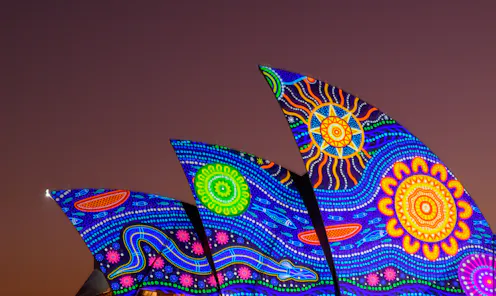
A barbecue, a protest … or a good book? We asked some of our leading historians to choose an illuminating Australia Day read.
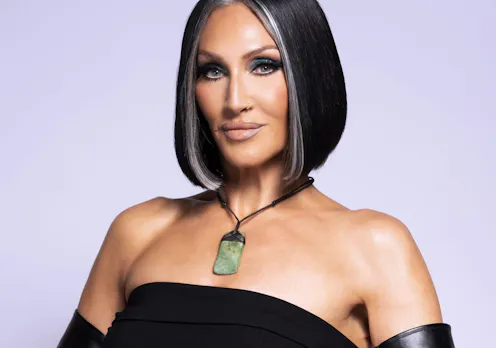
On Drag Race Down Under, Michelle Visage has become the authority who determines who sashays and who stays in the fierce contest.
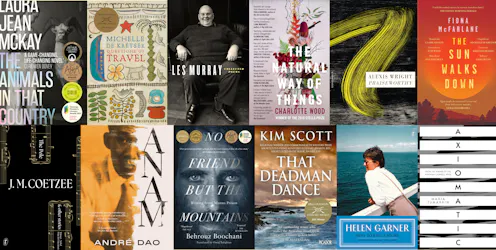
We were dismayed to see no Australians on the New York Times Best Books of the 21st Century – so, with the help of 50 experts, we created our own, all-Australian list. You can have your say, too!
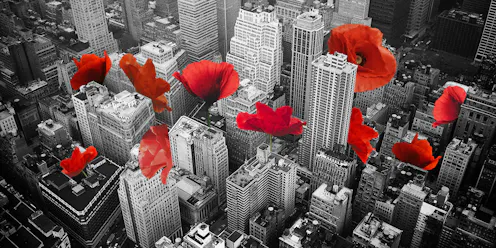
Anzac events in the US were once upbeat affairs, with New York’s 1942 Anzac Day dinner attracting the rich and famous. The mood is more sombre today.
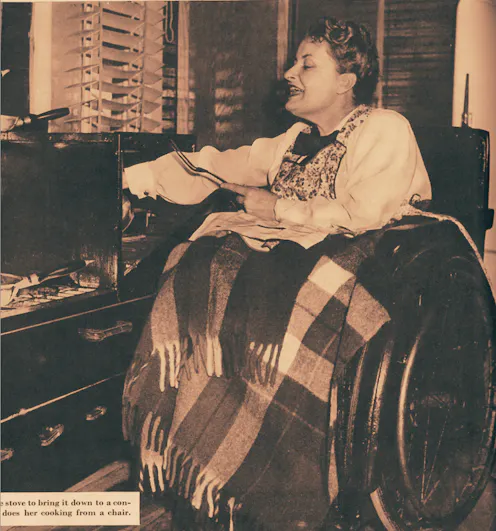
Was international bestselling author Dorothy Cottrell too female, too popular, too ‘unAustralian’ and perhaps, too disabled, for the local literary establishment?
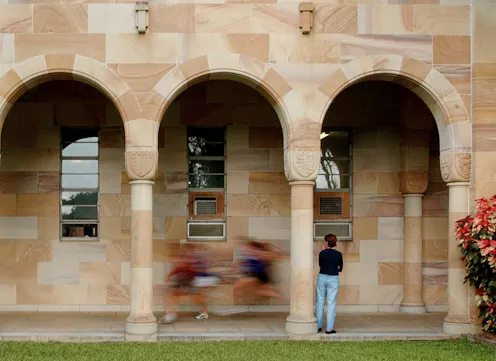
From the 18th century, historians taught us to understand the world as a story of linear progress. But this viewpoint made them architects of empire. History, writes Yves Rees, has blood on its hands.

In this age of social distancing and lockdowns, communion is hard to find especially for more than two million Australians who live alone. A whipsmart feminist podcast can help.
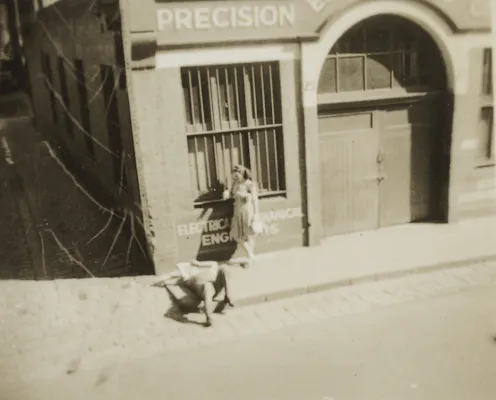
Nestled in the heart of Melbourne’s city laneways, Leonardo Art Shop - also known as Nibbi’s - provided inspiration and education to a generation of young artists.
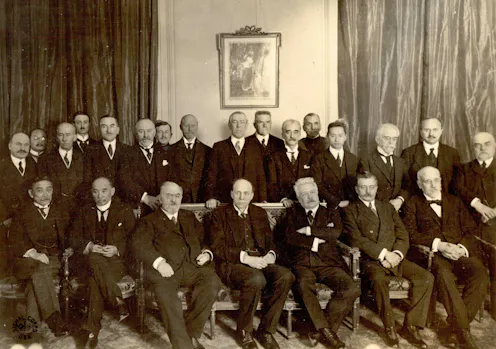
The League of Nations was established 100 years ago today. This precursor to the United Nations was dominated by men but many Australian women worked hard to gain a voice there.
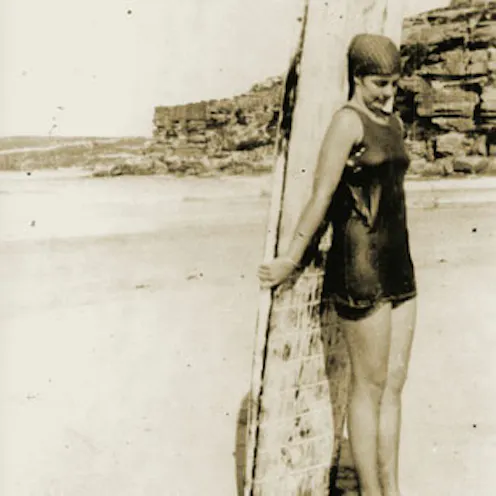
Isabel Letham was one of the first Australians to ride the waves. After moving to the US in 1918, she became an epitome of the modern woman: economically independent, physically daring and unapologetically ambitious.
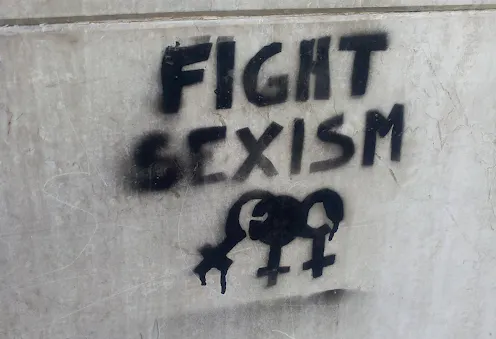
Academics and PhD students from a number of Australian universities have reported sexualised bullying, unfair workloads, sexual harassment and in some cases even sexual assault, usually from their superiors and supervisors.
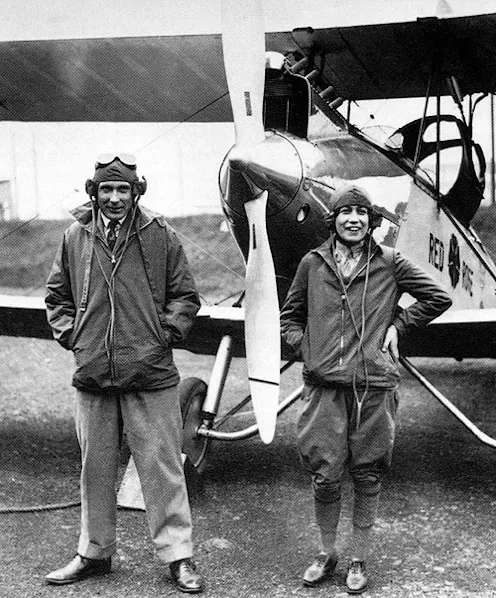
Thousands of Australian women took flight to the US in the early 20th century, escaping sexism at home for success overseas. They included architects, artists, dentists and an economist who advised JFK.

In 1921 the US imposed strict immigration quotas on Australians and detained the excess arrivals in terrible conditions. Contrast this with today’s treatment of asylum seekers on Manus Island and Nauru.
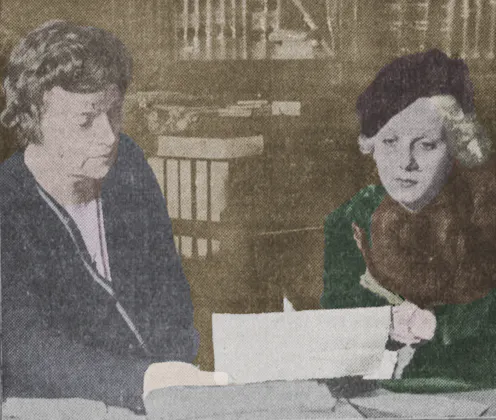
Dame Roma Mitchell is remembered as Australia’s first female judge. But Queenslander May Lahey beat her to the punch when she became a judge in Los Angeles in 1928. Her lack of recognition is symptomatic of how Australia remembers expats, particularly women.
Compared to the male-dominated STEM disciplines and social sciences like philosophy and political science, Australian history has been remarkably feminised. Indeed there may be more women historians here than in the UK or US.
Contact Yves for
- General
- Media request
- Speaking request
- Consulting / Advising
- Research collaboration
- Research supervision
- Location: Melbourne, Australia
- Website
- X (formerly Twitter): @YvesRees
- Article Feed
- ORCID
- Joined
