
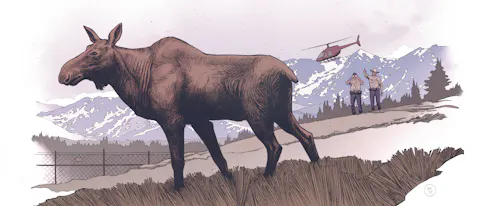
During much of the last century, moose were apparently rare in Colorado. But lately, encounters with humans are becoming more common as the population increases.
- Assistant Professor and Curator of Archaeology, University of Colorado Boulder
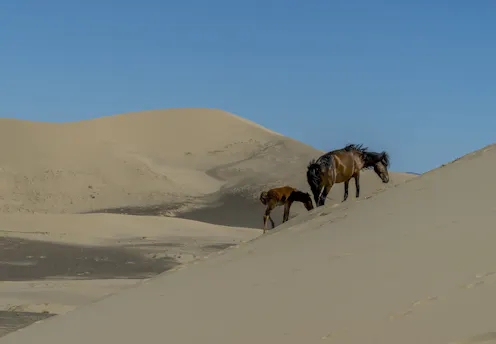
New analyses of bones, teeth, genetics and artifacts suggest it’s time to revise a long-standing hypothesis for how humans domesticated horses.
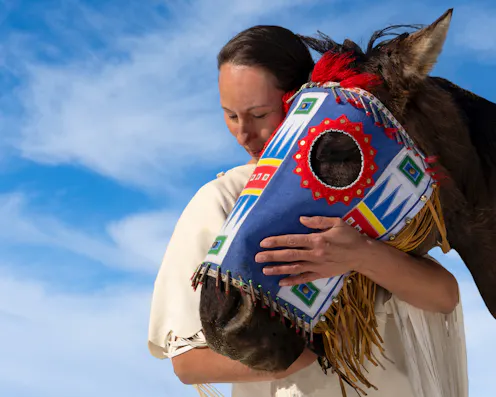
European colonists chronicled their version of how Indigenous peoples lived with horses. New collaborative research adds scientific detail to Indigenous narratives that tell a different story.
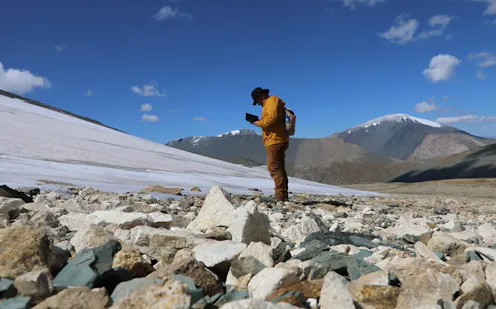
From the high Yukon to the mountains of Central Asia, melting ice exposes fragile ancient artifacts that tell the story of the past – and provide hints about how to respond to a changing climate.
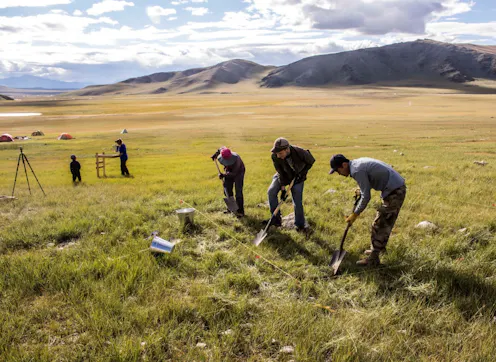
Archaeologists have long argued over when and how people first domesticated horses. A decade ago, new techniques appeared to have provided answers – but further discoveries change the story again.
Contact William for
- General
- Media request
- Speaking request
- Consulting / Advising
- Research collaboration
- Research supervision
- Location: Boulder, Colorado, U.S.
- X (formerly Twitter): @wtt_taylor
- Article Feed
- ORCID
- Joined
