

A decision to award A$2.5 million compensation for loss of native title marks an important shift in how such claims are handled.
- Adjunct Fellow, T.C. Beirne School of Law, The University of Queensland
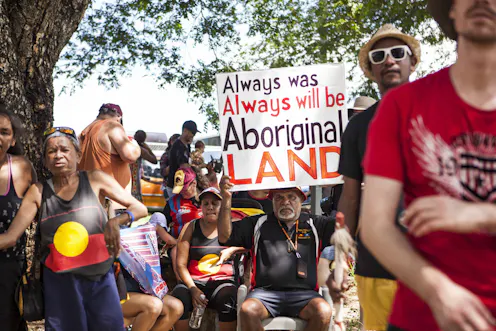
The decision will have huge implications for Indigenous peoples who have lost their land rights and for state and territory governments that may be liable for compensation.
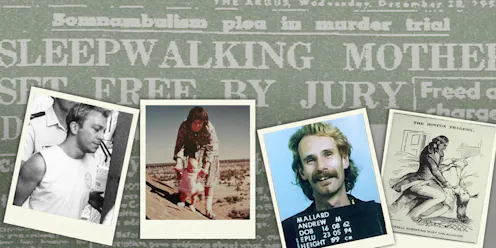
Speaking with: Professor David Field about unusual crimes that have changed the law
CC BY-ND27.2 MB (download)
Sleepwalking murders and 'battered wife' syndrome are unique precedents set by extraordinary cases. David Field talks about unusual cases that have shaped Australian law.

Speaking with: Emrys Westacott on the virtue of frugal living
CC BY-ND32.9 MB (download)
William Isdale speaks with Emrys Westacott about how living simply can bring happiness in an increasingly complex world.

Speaking with: Professor Bates Gill on Australia’s changing relationship with China
The Conversation, CC BY-ND36.5 MB (download)
William Isdale speaks with Bates Gill on the importance of Australia's relationship with China and how best to navigate the sometimes complex alliance.
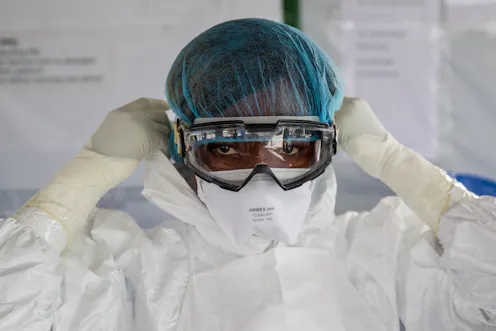
Speaking with: Dr. John Gerrard on infectious diseases
The Conversation, CC BY-ND23.2 MB (download)
William Isdale speaks to Dr. John Gerrard about the constant threat of infectious diseases and what we can do to prevent a deadly pandemic from establishing itself in Australia.
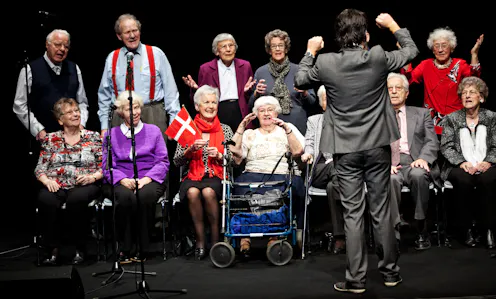
William Isdale speaks with Nancy Pachana about why we should stop thinking about ageing as a time of decline, and focus on engaging and leveraging the experience of our elders.

William Isdale speaks with The University of Queensland's Cameron Murray about the nature of 'grey gifts', soft corruption, and who stands to win (and lose) when these deals are made.

Speaking with: Dr Mark Blaskovich on antibiotic-resistant bacteria and the threat of superbugs
The Conversation, CC BY-ND45.2 MB (download)
William Isdale speaks with Mark Blaskovich about his research into antibiotic-resistant bacteria and the threat these superbugs pose to communities.

William Isdale talks to Professor Julian Savulescu about the ethical implications of geneticaly modifying humans.
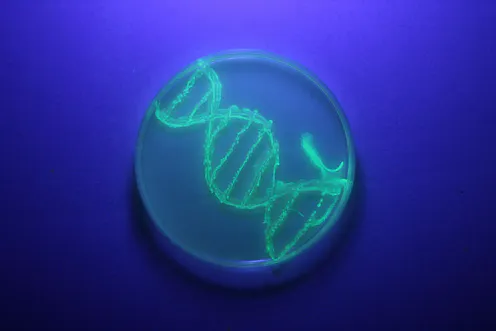
William Isdale speaks with University of Queensland Professor Peter Koopman about CRISPR technology.
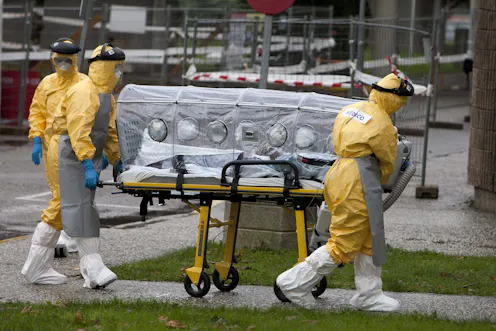
Professor Peter Doherty on infectious disease pandemics
The Conversation, CC BY-ND47.6 MB (download)
William Isdale speaks with the University of Melbourne's Professor Peter Doherty about infectious disease pandemics.

Speaking with: Tony Kevin on his “Return to Moscow”
The Conversation, CC BY-ND41.6 MB (download)
William Isdale speaks to Tony Kevin about his experience living in Russia during the Cold War and what he found when he returned almost 50 years later.
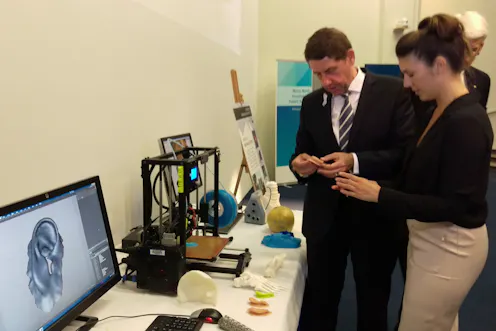
What if one of the most essential items in the hospital of the future is a 3D printer?

Speaking with: Graeme Orr on the festival of elections
CC BY-SA33.2 MB (download)
William Isdale speaks with Graeme Orr about the festival spirit of elections, the unique Australian culture of voting, and the history of corruption, drinking and coercion in voting worldwide.

The family veto is morally repugnant unless removing it would result in a decrease in the supply of transplantable organs.

Australia was once a world leader in organ donations, but today it lags much of the developed world. William Isdale speaks with Aric Bendorf about how to improve Australia's organ donation rates.
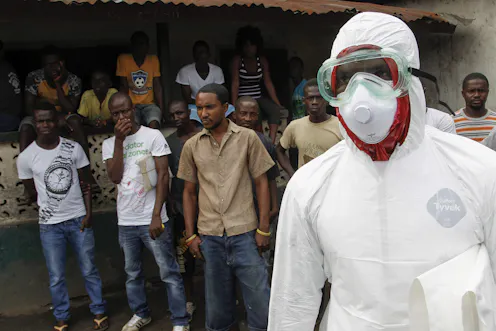
William Isdale speaks with Lawrence Gostin about the lessons we can learn from the global response to last year's Ebola outbreak and the future of global health.

Australia’s organ donation levels are low by international standards. At least twenty countries achieve better donation rates than Australia’s 16.1 donors per million population (DPM).
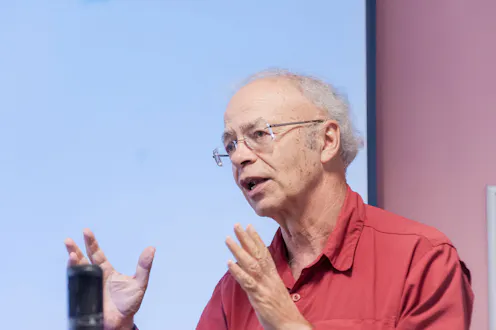
Australians donate around A$2.4 billion to charity each year, but how many lives does that impact? Effective altruism is a social movement focused on maximising the impact of your donated time and money.
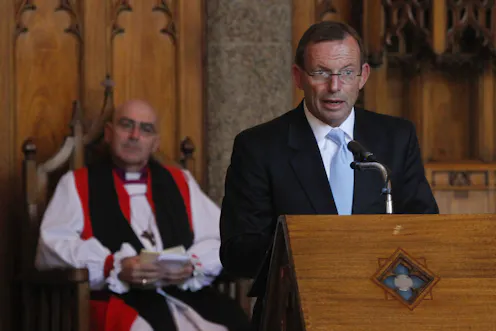
The High Court of Australia, for the second time, recently found that the National School Chaplaincy and Student Welfare Program (NSCSWP) is funded unconstitutionally, and so is invalid in its current…

The National Assembly of Wales has legislated to introduce an “opt-out” system for human organ and tissue transplantation, which will come into effect in 2015. In doing so, Wales joins a host of other…

In the lead up to negotiations with the states on schools funding reform, the government has armed itself by labelling the reforms as a moral issue. It’s easy, of course, for a politician to bring an issue…
Contact William for
- General
- Media request
- Speaking request
- Consulting / Advising
- Research collaboration
- Research supervision
- Location: Brisbane, Queensland, Australia
- Article Feed
- Joined
