
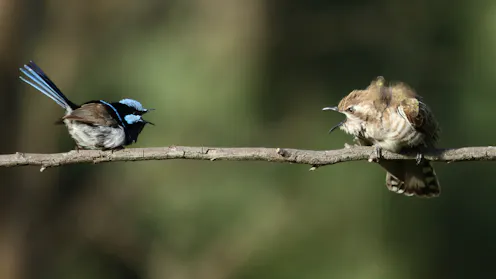
The findings of a new study about communication between birds also offer key insights into the origins of language.
- Research fellow, Environmental Futures Research Institute, Griffith University
- Group leader, Estación Biológica de Doñana (EBD-CSIC)
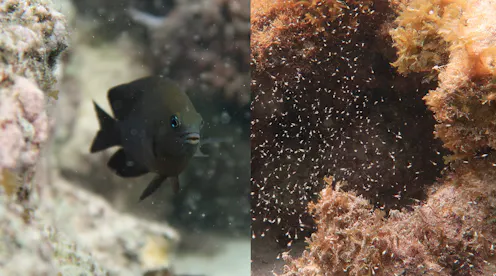
While humans domesticate plants and animals, these relationships are surprisingly rare in other species. Our new study found a species of fish that appears to have domesticated a kind of tiny shrimp.
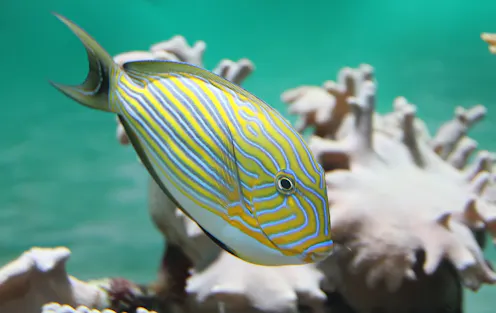
Pesticides and high temperatures can disrupt the development of small coral reef fish by targeting their hormones.
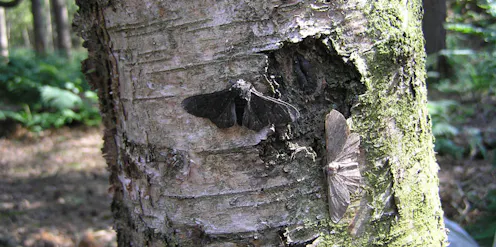
The peppered moth will always hold a special place in the annals of evolutionary biology. Its story is a classic example of natural selection, and of how animals can act as indicators of environmental change.
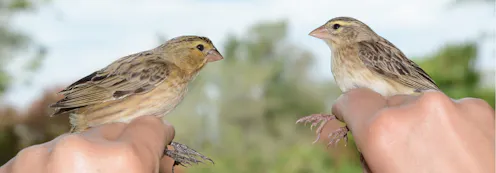
Crime and (collective) punishment in the world of birds.
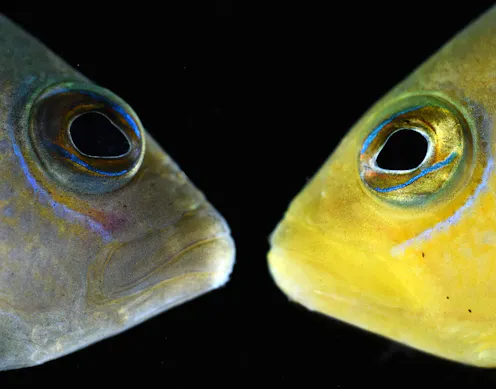
Brown or yellow, the dottyback fish has a colour for every occasion, and every habitat.
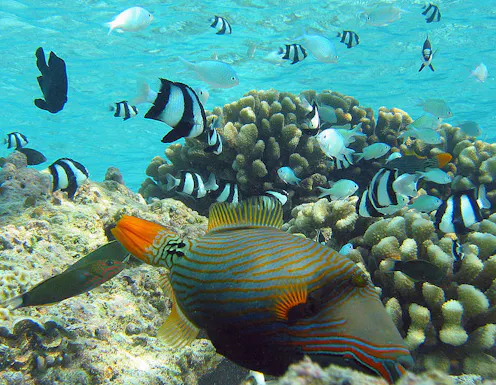
Evolution allows animals to develop superb adaptations to survive and flourish in environmental niches. The evolution of fish eyes is one such intriguing example. However, tracing how different kinds of…
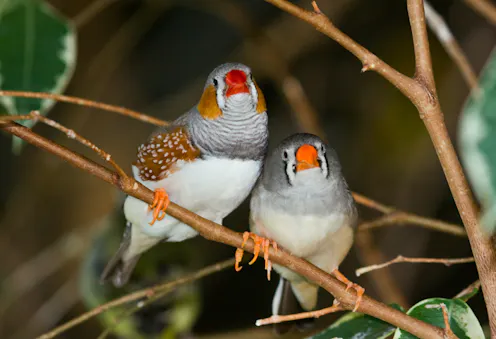
Species must reproduce to survive, and animals have found unique ways of achieving this. For some, including us, it seems as though producing a few offspring that require extended care is the best strategy…
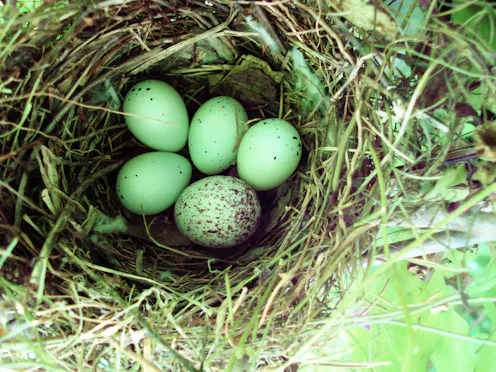
Cuckoos are notorious cheats. Instead of building a nest, incubating their eggs and raising their chicks, they lay their eggs in the nests of other birds and leave the task of raising their offspring to…
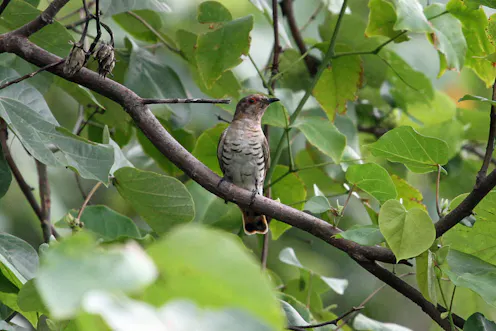
Cuckoos aren’t the kind of parents you’d want. They never raise their young ones, leaving that job to other birds. They achieve this by laying their eggs in other expectant birds’ nests, who treat them…
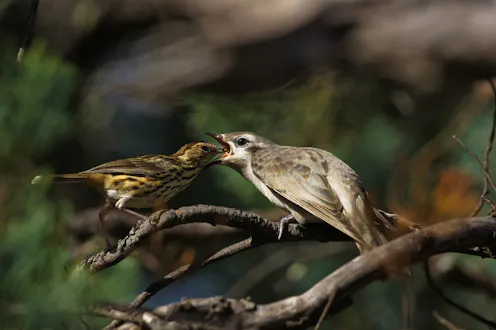
Why help another when you can help yourself? Cooperation is very common in nearly all life, from genes and cells to humans and other animals. However understanding why can be difficult: being selfish seems…
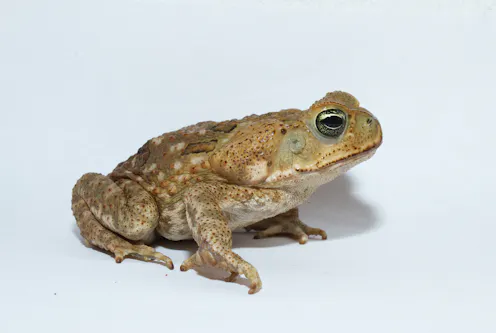
New research on invasive species has cast doubt on the prevailing theory developed by Charles Darwin, giving us a new way to predict and model species when they are introduced. Invasive animals such as…
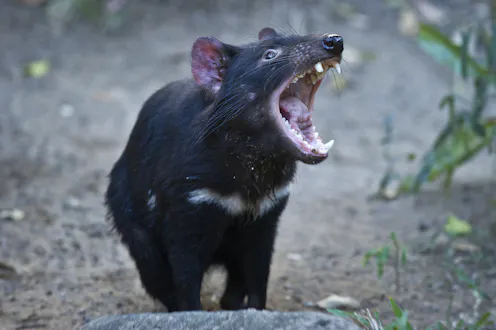
Reintroduction programs are key initiatives for re-establishing or re-stocking animal populations, and while some are successful, many, unfortunately, are not. Endangered and critically endangered animals…
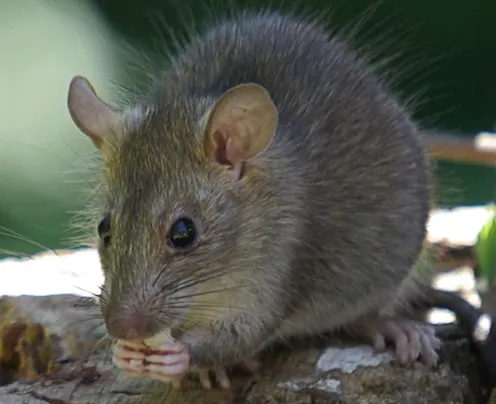
Species hold ecosystems in a delicate balance. From time to time humans introduce non-native species to an ecosystem, because they may be needed for domestic work, as pets, for carrying loads or even for…
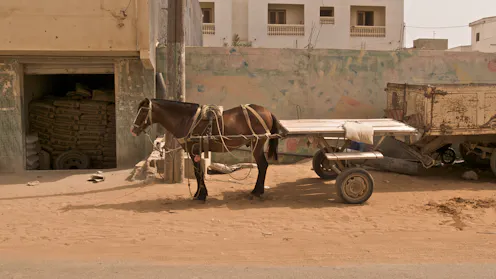
The Silk Road snaked across continents for more than a thousand years, shaping civilisations in East and West. Famously trodden by Alexander the Great and Genghis Khan, the trade route brought riches to…
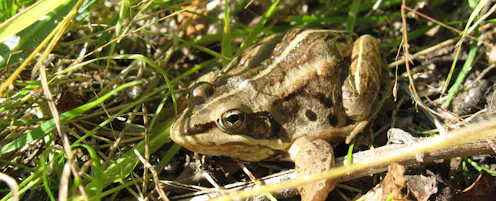
For life to persist, it must tolerate its environment. The depth of an arctic winter is formidable, and is most notably overcome by hibernation. But some reptiles and amphibians survive by allowing their…
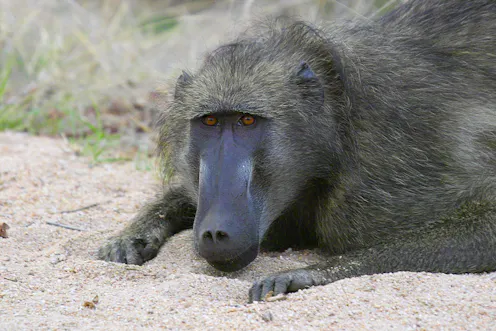
Our individual, varied personalities are among the traits often cited as those that distinguish us from the rest of the animal kingdom. However, as we, like the rest of life on Earth, are products of natural…
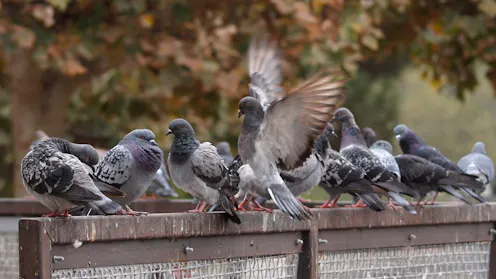
One of nature’s most fascinating phenomena is the collective behaviour of animals. A shoal of fish, a swarm of locusts, and a colony of ants can all act as superorganisms, where the group as a whole makes…
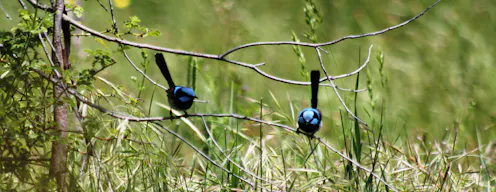
Can superb fairy-wrens learn to respond to brood-parasitic cuckoos by simply watching other fairy-wrens react to a cuckoo? That’s the question posed in a new Biology Letters study by myself and Naomi Langmore…
Contact William for
- General
- Media request
- Speaking request
- Consulting / Advising
- Research collaboration
- Research supervision
- Location: Seville, Spain
- Website
- X (formerly Twitter): @williamefeeney
- Article Feed
- ORCID
- Joined


