
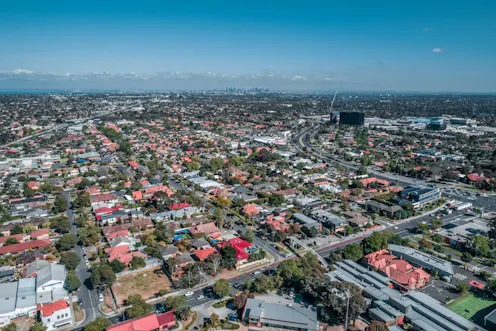
Our largest cities, home to 80% of the population, are central to achieving sustainability in a time of climate change. The federal government has begun to act on the need for coherent urban policies.
- Professor Sustainability and Urban Governance, RMIT University

In the absence of national leadership, local communities are forging new responses to the climate crisis in places where they live, work and play. These three examples show how.
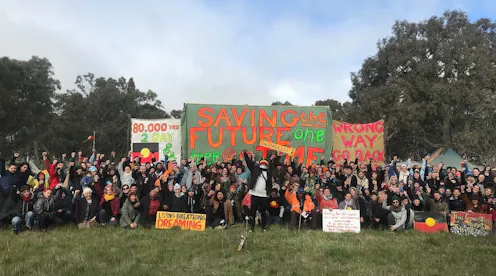
Laws in other countries recognise ‘rights of nature’. But even trees sacred to Indigenous Australian communities have no special protection.
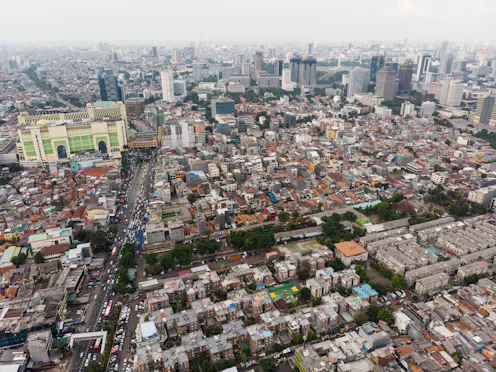
Other countries are planning new cities using technological innovation to achieve more sustainable development. Such plans aren’t new for Australia, but existing city growth is the focus of attention.
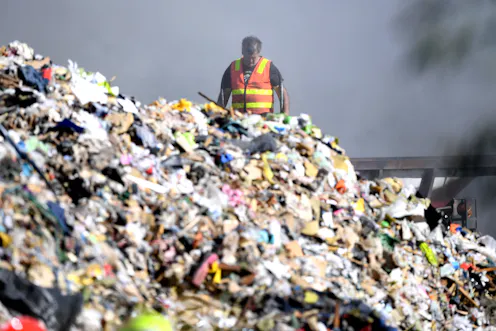
Australia has yet to properly acknowledge that the Sustainable Development Goals aren’t just an issue for other countries. The problems that demand our attention are much closer to home.
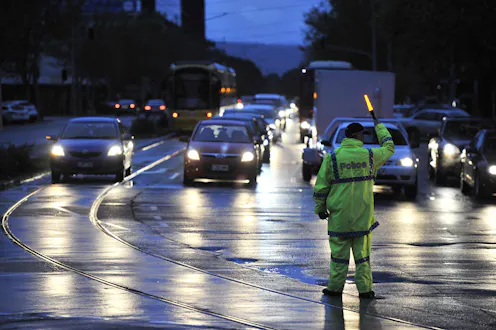
Critical infrastructure is our means of survival as an urban species. So, we must identify what is critical, for whom and how it might fail us.
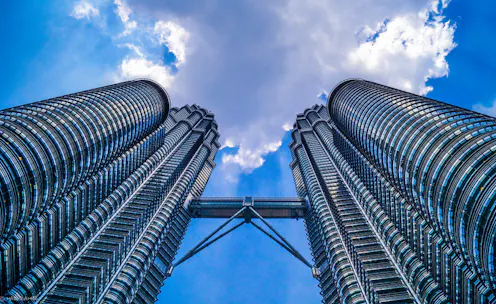
Like a 5D movie on speed, the city today defies conventional boundaries. This raises new questions about what we imagine to be ‘the city’ – and how we as a democratic community can shape it.
How well does the ‘smart’ city respond to the devastating scale and impact of urban heat threats such as bushfires and heatwaves?
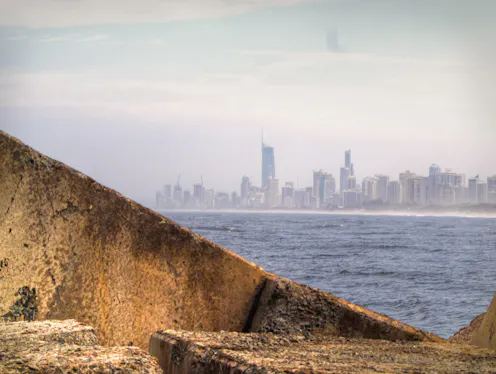
Despite the emphasis in Australia on the “compact city” foreshadowed in every major strategic metropolitan plan such as the South East Queensland Regional Plan; there is a growing trend towards “colliding…
Contact Wendy for
- General
- Media request
- Speaking request
- Research collaboration
- Research supervision
- Location: Melbourne, Australia
- Website
- Article Feed
- ORCID
- Joined
