

The adoption of permanent DST in B.C. raises significant concerns about social jetlag and long-term health impacts, especially for young people.
- Professor Emeritus of Nursing, University of British Columbia

Canadian 24-hour movement guidelines for healthy development recommend naps for infants and children under two years, and nap options for ages three to four.
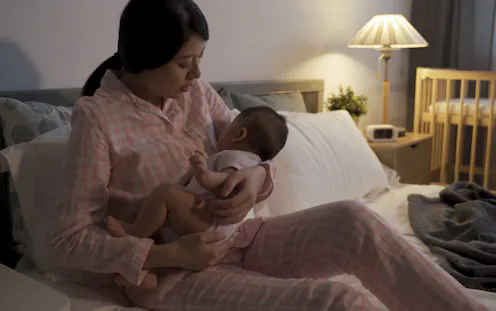
Supporting mothers’ and infants’ sleep can decrease the stressors of motherhood, improve maternal mood and mental health and promote better infant development.

When teenagers sleep for less than eight hours a night, they are at increased risk of suicide, being overweight, high rates of injury, poor sustained attention and low school grades.

Poor sleep in infants and children has been linked to an array of problems, from aggression to poor school performance to diabetes, obesity and suicide. Our expert reviews the science.
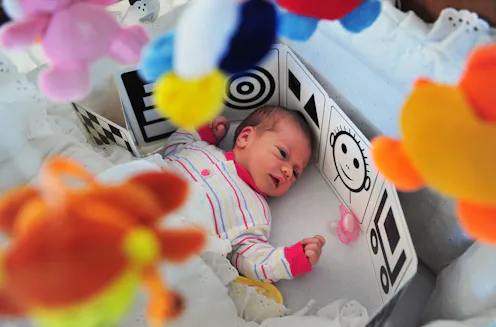
Children’s sleep problems can affect not only their own wellbeing, but that of their parents. Helping parents manage these problems can also reduce their own risk of depression.
Contact Wendy for
- General
- Media request
- Speaking request
- Consulting / Advising
- Research collaboration
- Location: Vancouver, British Columbia, Canada
- Website
- X (formerly Twitter): @@wendyha65734663
- Article Feed
- ORCID
- Joined
