

Copyright can only protect the expression of an idea, not an idea, concept or style itself.
- Senior Lecturer in Law, University of New England
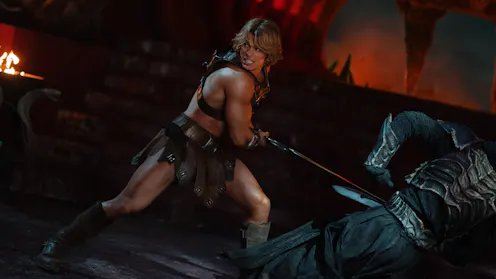
In some ways, the new film has been four decades in the making. And it all comes down to Mattel’s savvy franchising strategy, starting in the 1980s.
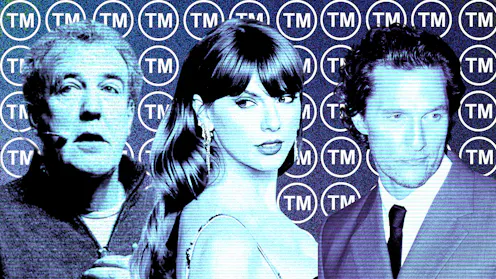
It’s a relatively new legal tactic and not yet tested in court.

The idea of digital immortality raises many legal questions – and most of them don’t have a clear answer.
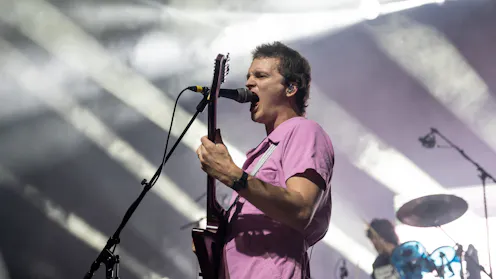
Can (or will) Spotify be held legally accountable for hosting AI knockoffs of real bands? An expert explains.
Different licensing models could help ensure the rights of creators are reconciled with AI companies’ hunger for data.
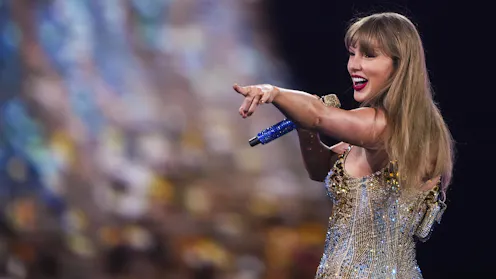
In a US$360 million deal, Swift now owns the master recordings to her first six albums.

AI-powered voice cloning apps are now easily accessible and cost as little as $100 to use. The law needs to catch up. But how?

After news, art and music, generative AI has found a new resource to mine: academia
Generative AI music apps Suno and Udio are alleged to have copied significant amounts of famous recordings.

With the click of a button, you can now generate songs in any topic and genre you want. But it’s not clear-cut whether you own the music, despite what the app terms say.

Traditionally seen as an American holiday, more Australians are preparing to celebrate Halloween. Here’s what we know about costumes, cosplay and copyright, just in time for the spooky season.
Do you own a literary work that ChatGPT helped you write? Does OpenAI? The legal questions are thorny, and the answers unclear.
Contact Wellett for
- General
- Media request
- Speaking request
- Consulting / Advising
- Research collaboration
- Research supervision
- Website
- Article Feed
- ORCID
- Joined
