

The government has emphasised positive coverage of rescue efforts in Tibet. Across the border in Nepal, foreign journalists are telling a different story.
- Professor of Media and Cultural Studies, University of Technology Sydney
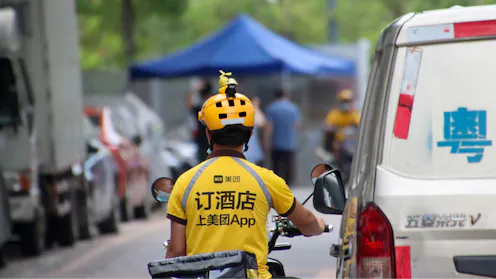
China’s economic growth didn’t benefit Hu Anyan – but his exceptional literary talent did. His book about struggling to survive as a gig worker is a worldwide hit.
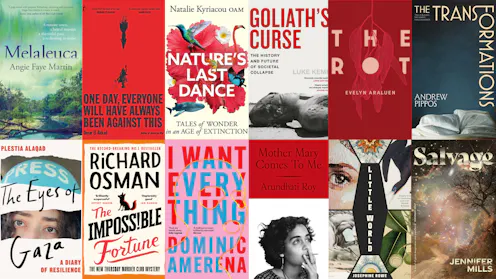
We found out the favourite 2025 books of 35 expert readers – and the Books & Ideas team shares our own picks, too.
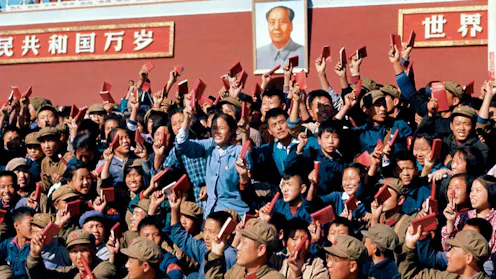
Linda Jaivin’s epic tale of China’s Cultural Revolution brings its players to life – and illustrates the massive scale of its violence, death and human suffering.

A new survey shows Chinese-Australian voters will continue to back Labor by a wide margin, though some may be swinging back to the Liberals.

Peluncuran DeepSeek disebut sebagai serangan “Pearl Harbour” di dunia AI

DeepSeek’s launch raises questions over the effectiveness of US attempts to stifle Chinese advances in AI. Here’s what we can learn from its apparent success.

Red, as the platform is known for short, offers a more open space than WeChat for competing ideas to be heard.

We’ve invited writers, from fields as diverse as wildlife ecology, politics and literature, to nominate their best books of 2024. And this year, the Books & Ideas team share their own picks, too.

Journalist Yuan Yang tells the stories of four women who grew up in China as the nation transformed from a socialist to a market economy. Her book is a breath of fresh air.
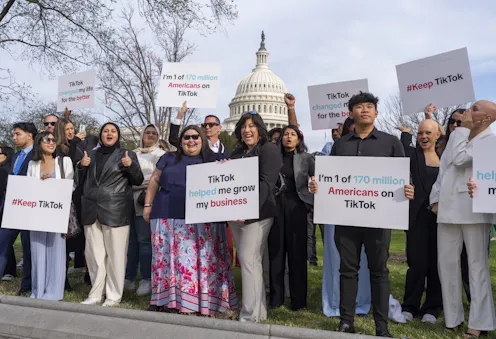
TikTok has mobilised its vast user base to contest a possible US ban, plus it could challenge it in court as an infringement of people’s free speech.
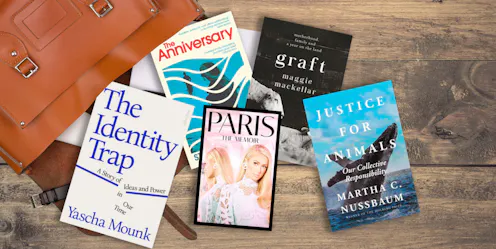
Plan your summer reading or catch up on what you missed with The Conversation’s selection of the best books of the year.

New research shows Chinese-Australians believe Australian English-language media to be too negative about China and Chinese-Australians.

Chinese Australians use WeChat for everything from paying bills and attending funerals, to helping community members in need. Banning the ‘super sticky’ app would do more harm than good.

Wanning Sun spent nearly a decade talking to migrant workers at the Apple factory in China’s Shenzhen about their intimate lives – and how their relationships are affected by inequality.

New research shows Australians of Chinese heritage are extremely concerned about the way relations between the two countries are portrayed in the media.

The Chinese messaging platform has become a vehicle for robust political debate in the US, as well as a way for the Chinese diaspora to communicate with family and support one another.

In a recent survey, a majority of Chinese migrants said they rarely share negative stories about Australia on their social media platforms, and actually side with Australia more on human rights.
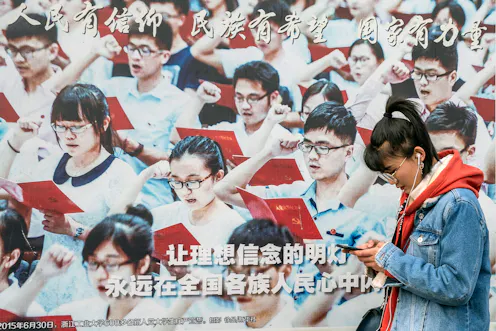
To stay relevant, the Chinese Communist Party is rethinking its approach to propaganda. The reviews are decidedly mixed, but overall, younger Chinese seem drawn to the messaging.

According to a new study, Mandarin-speaking voters look to their friends and key social media influencers to inform how they should vote in Australian elections.

WeChat is now a must for politicians. How they can best harness it to win key votes is a trickier question.

Findings from a new study suggest that the main source of news for Mandarin-speakers living in Australia is local, Chinese-language outlets accessed via WeChat.
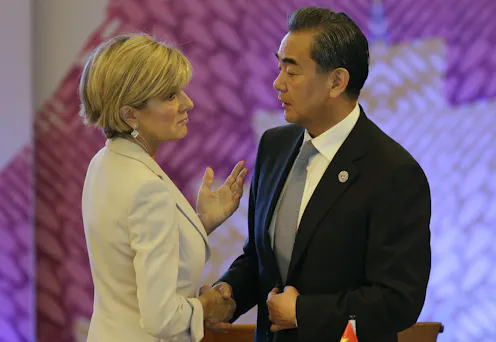
The rhetoric between Australia and China is reaching a fever pitch in the media, with less room for journalists to take a more nuanced, objective viewpoint.
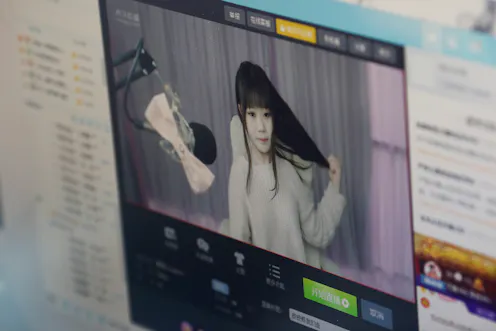
Streaming video is exploding in China, but regulators are trying to keep control.

Like regulators elsewhere, Chinese authorities are unlikely to keep up with new forms of online media.
Contact Wanning for
- Speaking request
- Consulting / Advising
- Research collaboration
- Location: Sydney, Australia
- Website
- Article Feed
- Joined
