
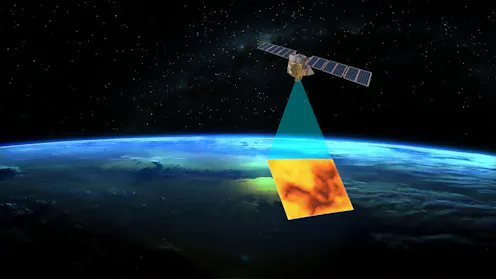
MethaneSat was developed to spot emission hot spots of invisible methane pollution from space. Without it, accurate methane monitoring will be incredibly difficult.
- Professorial Fellow, School of Geography, Earth and Environmental Sciences, University of Birmingham
Ice cores provide important evidence as archival records of global atmospheric composition that has constantly changed.

Improved computer models shed light on how reducing sulphur emissions will inadvertently release methane from wetlands.

Abating methane emissions and enhancing atmospheric removal offers an opportunity to rapidly mitigate warming.

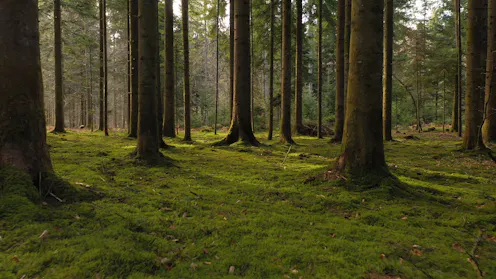
A large-scale study proves that trees absorb methane through their bark, with climate benefits at a global scale.
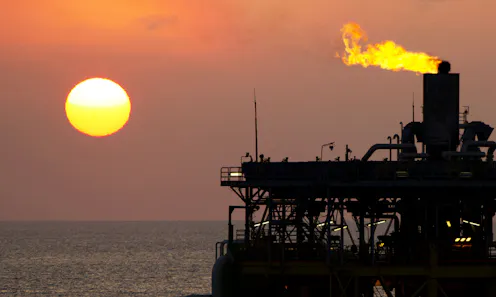
An update to the 2021 Global Methane Pledge could see tighter restrictions on oil and gas leaks.
Contact Vincent for
- General
- Media request
- Speaking request
- Consulting / Advising
- Research collaboration
- Research supervision
- Location: Birmingham
- Website
- X (formerly Twitter): @gaucigauci
- Article Feed
- ORCID
- Joined
