
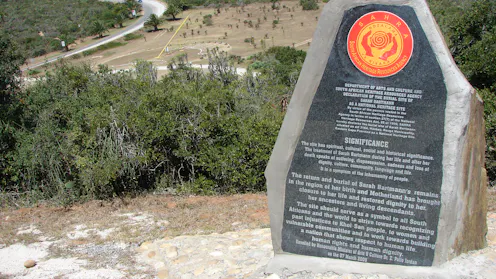
Les mots traduisent le rapport de forces: quand il s'agit de retour des biens culturels, le terme “restititution”, contrairement à “raptriement” évoque la justice.
- Professor in Biological Anthropology, Division of Clinical Anatomy and Biological Anthropology, University of Cape Town
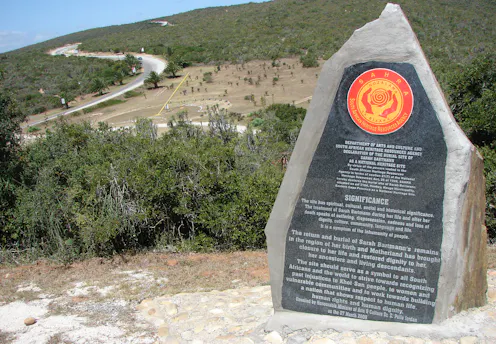
Distinção não é questão acadêmica: repatriação dá ênfase a quem devolve, enquanto restituição muda foco para quem reivindica, afirma seus direitos e exige justiça.
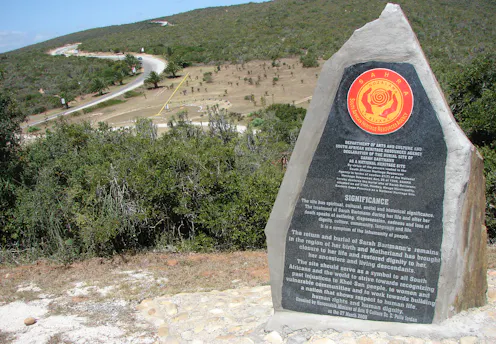
Language shapes power and words like restitution, unlike repatriation, speak directly to justice when it comes to returning cultural heritage.

Les principes éthiques encadrant la recherche sur l’ADN ancien doivent préserver les générations passées, présentes et futures.

Ethical guidelines for ancient DNA need to protect past, present and future generations.

New innovations in understanding how a dead body breaks down can be scaled globally.
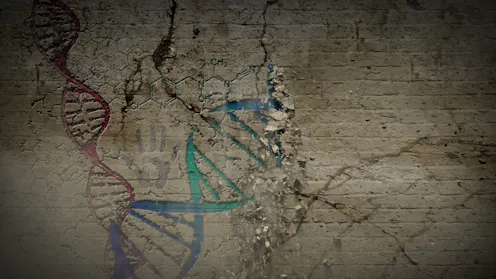
Ancient human genomes reconstructed from remains at a southern African rock shelter show remarkable genetic continuity over time.

Pigs, specifically those weighing around 60kg, are useful in human decomposition studies.
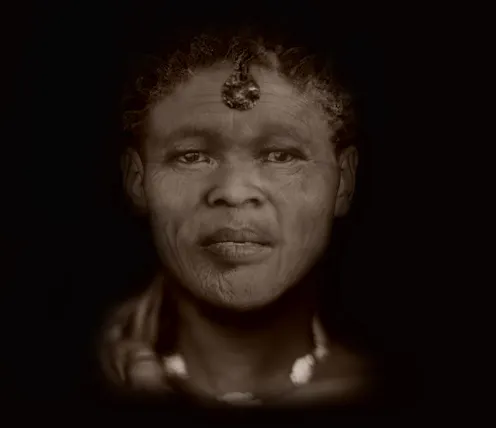
Hopefully more curators and custodians of repositories of human skeletal remains will attempt to redress some of the wrongs of the past.
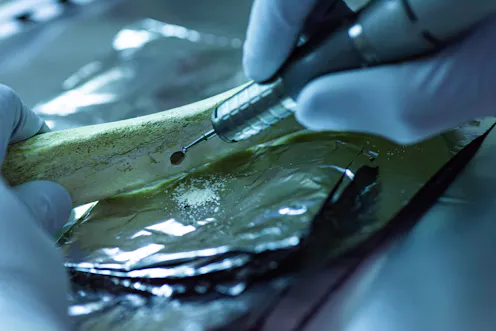
Studying ancient DNA in Africa is valuable for understanding human evolution, population migrations, and human history locally, regionally and globally.
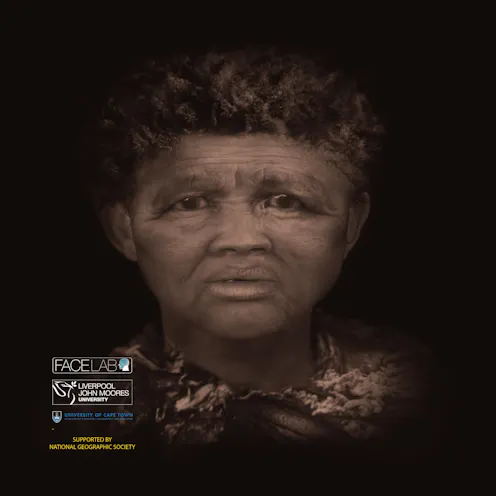
When the University of Cape Town discovered skeletons in its archive that had been unethically obtained and used, they set about restoring justice to the bones and the community they came from.

Scavengers play an important but often poorly understood role in how fast bodies decompose.
Contact Victoria for
- General
- Media request
- Speaking request
- Consulting / Advising
- Research collaboration
- Research supervision
- Location: Cape Town, South Africa
- Website
- Article Feed
- ORCID
-
- Joined
