
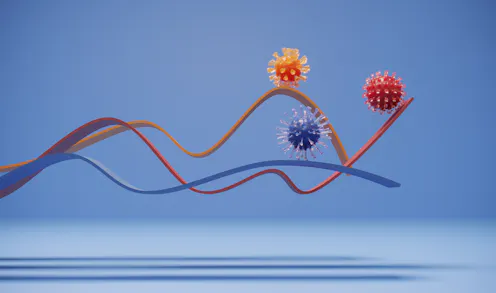
When the coronavirus copies itself, there is a chance its RNA will mutate. But new variants must jump from one host to another, and the more infections there are, the better chance this will happen.
- Professor of Microbiology and Molecular Genetics, University of Pittsburgh
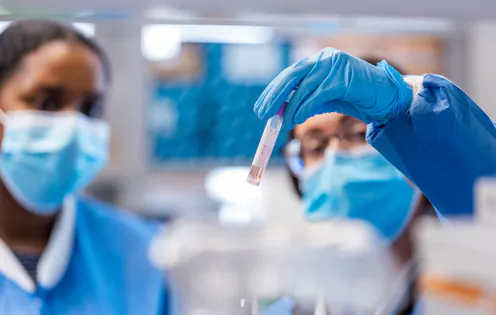
The US lags in testing coronavirus samples from COVID-19 patients, which can help track the spread of the virus and the emergence of new variants. But labs are ramping up this crucial surveillance.
Contact Vaughn for
- General
- Media request
- Speaking request
- Consulting / Advising
- Research collaboration
- Research supervision
- Location: Pittsburgh, Pennsylvania, U.S.
- Website
- X (formerly Twitter): @vscooper
- Article Feed
- ORCID
- Joined
