

An investigation reveals e-voting software used by numerous large-scale organisations isn’t as anonymous or secure as claimed.
- Adjunct Associate Professor, College of Engineering and Computer Science, Australian National University
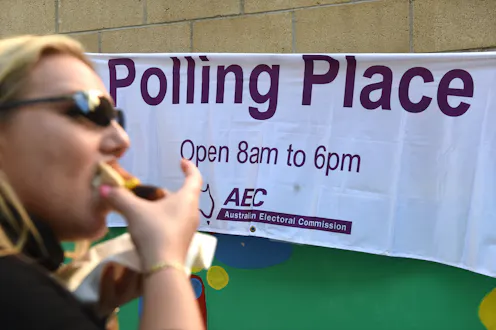
Australians vote on a piece of paper and put that into a box which is then counted. We don’t know how to replicate this transparent, verifiable process over the internet.
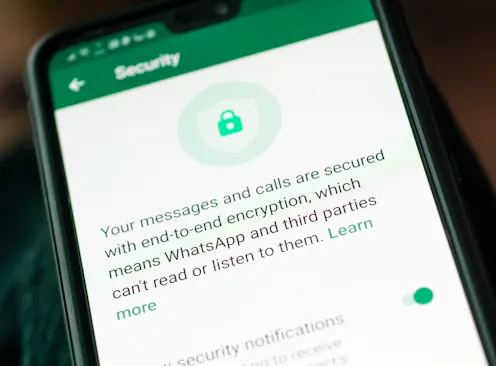
People have plenty of legitimate reasons to use encrypted communications platforms such as WhatsApp or Signal for their own security and privacy.
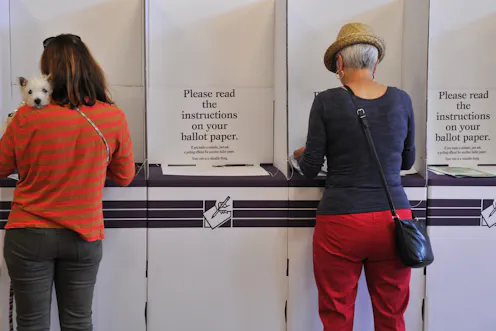
Despite years of research, nobody knows how to provide evidence of an accurate result while keeping individual e-votes private.
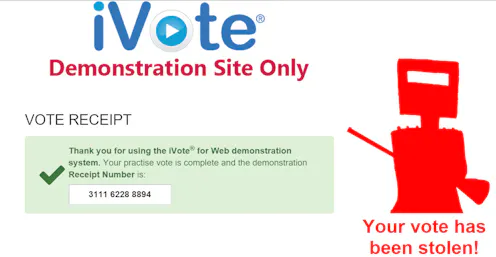
UPDATED 3PM: The NSW Electoral Commission has now publicly commented on the security flaw we uncovered. But we’re concerned that it does not seem to understand the serious implications of this attack.
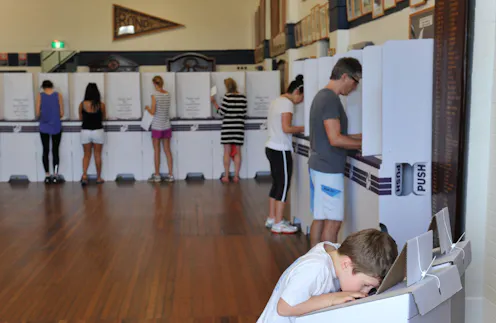
The NSW election will be Australia’s biggest test of electronic voting, with up to 250,000 votes set to be cast online or by phone. But many questions remain about the integrity and privacy of those votes.
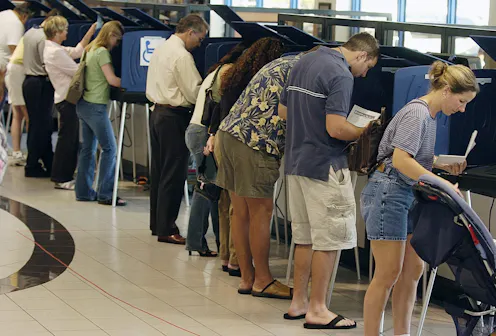
Elections in the United States are run by state authorites that use a wide variety of voting technologies, often with newsworthy results. Some computerised elections have even awarded the election to the…

Australians expect paper-based elections to provide privacy, integrity and transparency. Why should we abandon these principles just because the election uses a magical device called a computer? The iVote…
Contact Vanessa for
- General
- Media request
- Speaking request
- Consulting / Advising
- Research collaboration
- Research supervision
- Location: Melbourne, Australia
- Website
- X (formerly Twitter): @VTeagueAus
- Article Feed
- Joined
