
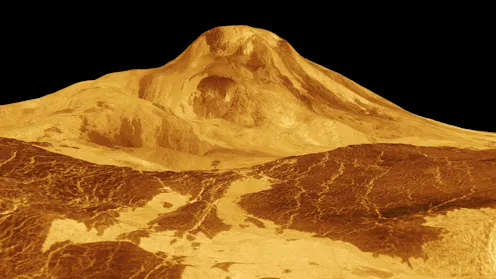
Venus and Earth share some atmospheric quirks – but how did Venus get so unbearably hot, while Earth is mild and temperate?
- Professor of Physics and Astronomy, USC Dornsife College of Letters, Arts and Sciences
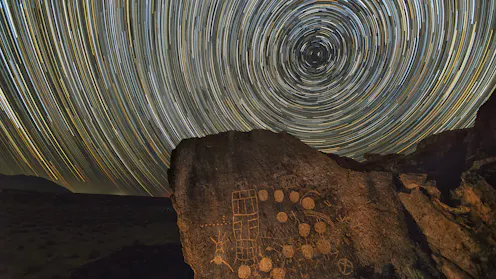
From Earth spinning on its axis and orbiting the Sun to it precessing like a top, lots of factors affect which stars you can see in the sky.
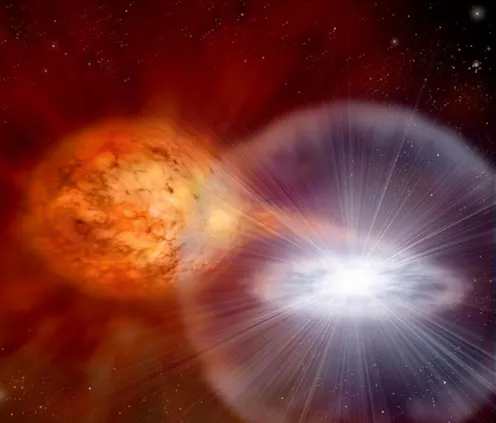
Your favorite TV show isn’t the only place where guest stars might appear. Keep an eye on the sky for the second half of 2024 and you might be able to witness a rare astronomical event.
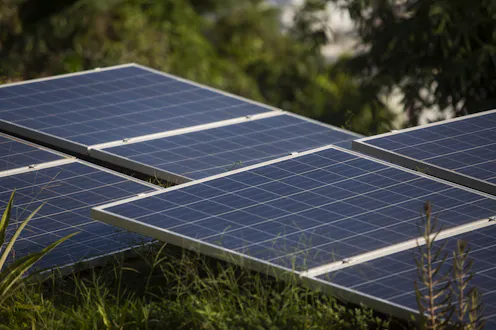
When the Moon blocks the Sun during an eclipse, utility suppliers have to pull power from the grid to make up for gaps in solar energy.
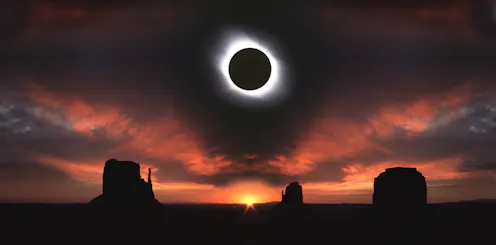
With a solar eclipse and several meteor showers coming up, an astronomy professor shares travel tips for viewing astronomical phenomena.
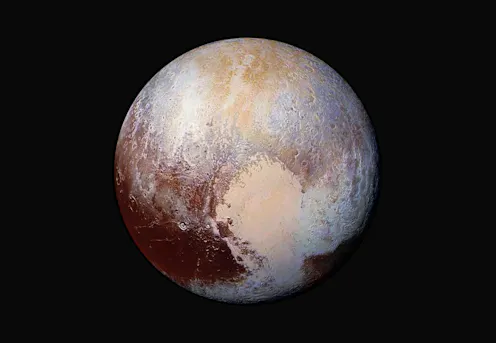
Planet kerdil di Tata Surya kita dingin, gelap, jauh, dan penuh kejutan.
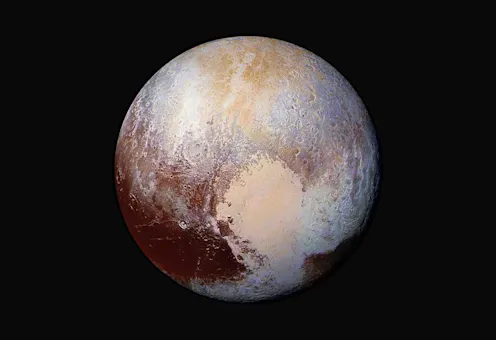
The dwarf planets in our Solar System are cold, dark, far away and full of surprises.
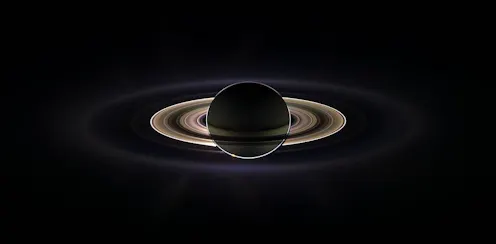
Although the rings of Saturn may look like a permanent fixture of the planet, they are ever-changing. New analyses of the rings reveal how and when they were made, from what and whether they’ll last.
Americans need a new multi-decade Moonshot that will inspire several generations to shoot for the stars and pursue careers in space engineering and exploration.
Contact Vahe for
- General
- Media request
- Speaking request
- Consulting / Advising
- Research collaboration
- Research supervision
- Location: Los Angeles, California, U.S.
- Website
- Article Feed
- Joined

