
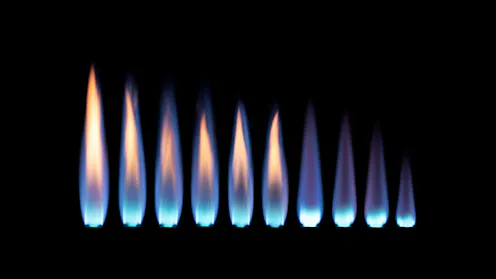
New plans to get Victoria off gas are less ambitious. But they will still cut energy bills and accelerate the shift away from gas.
- Associate Professor in Property, Construction and Project Management, RMIT University
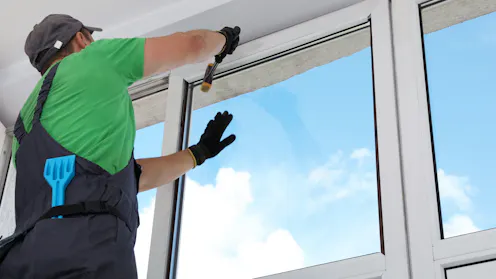
Double-glazing keeps homes at pleasant temperatures without much need for heating or cooling. But history and cost mean they’re rare in Australia.
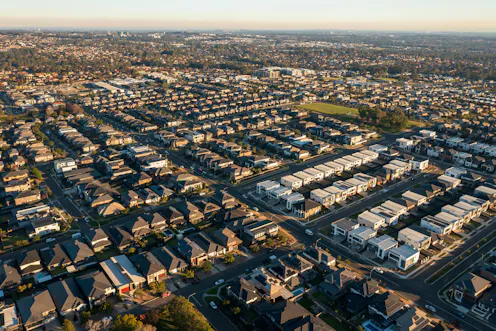
Before buying or renting your next home, take a closer look at how it will cope with the heat. Try this expert 12-point guide to avoiding ‘hot boxes’.
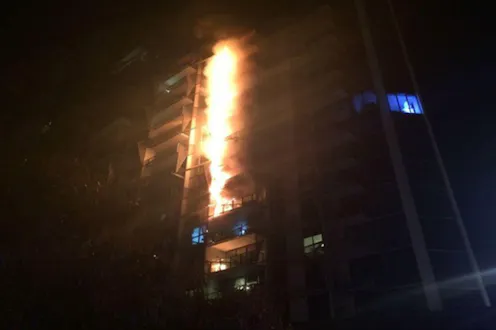
The 2014 Lacrosse fire was costly, but no lives were lost, unlike the 2017 Grenfell Tower fire that claimed 72 lives. Years later, more work is needed in four key areas to ensure buildings are safe.

Victoria is leading the way in ensuring poor-quality rental housing is upgraded to be safe, comfortable and energy-efficient.
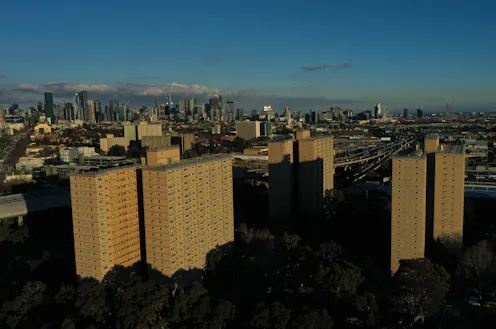
Our research shows decisions on the fate of public housing towers that are based on a proper process of considering all the evidence could go either way: demolish and rebuild, or retrofit.

As climate change increasingly threatens our daily lives, we must redesign our homes to better protect us and be part of the solution.
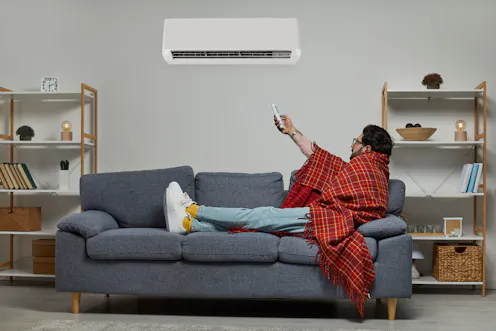
People who switch from gas to reverse-cycle air conditioning to heat their homes still want to feel comfortable. Some don’t. Home electrification programs must tackle the causes of the problem.

Compared to roughly 80% in the US, UK and NZ, only 11% of Australian homes have high-performance windows. Installing them can transform a household’s comfort, energy use and emissions.

Thinking about getting your home off gas, but don’t know where to begin? Here’s a few handy tips to get you on your way.
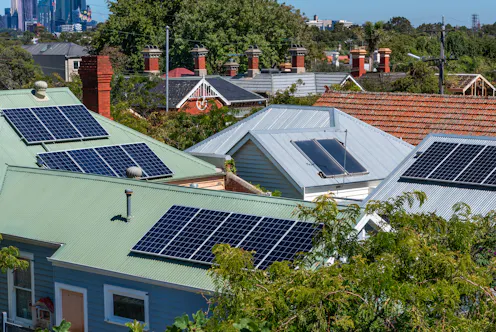
The ban on gas connections to new homes in Victoria reflects global trends and will ultimately save households money and cut their emissions.
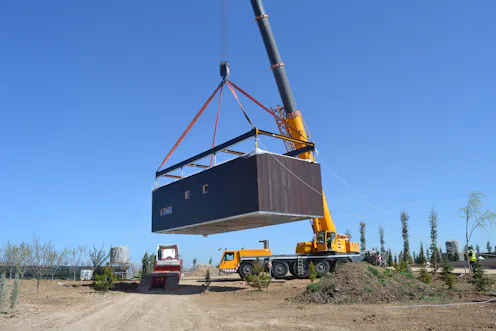
If we build homes on a production line, we could make them cheaper, faster and more sustainable.
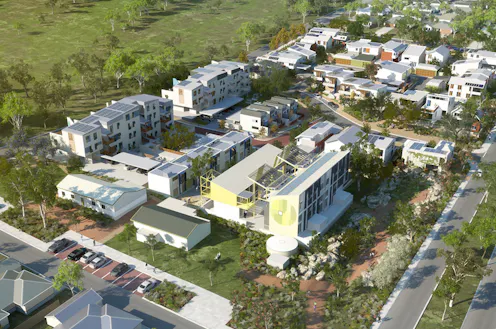
A new report outlines a comprehensive strategy for Australia to reduce the carbon footprint of our homes while making them more comfortable and affordable.
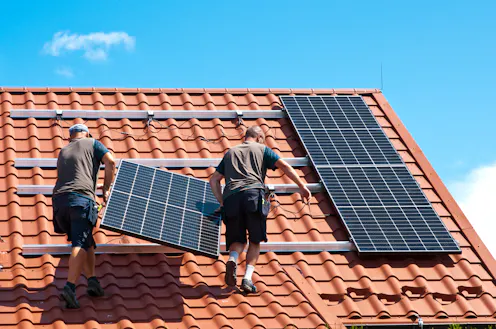
Most of our 10.8 million existing homes are in need of a retrofit to improve their performance and cut household energy use and emissions. The $1.6 billion for energy upgrades covers 170,000 homes.
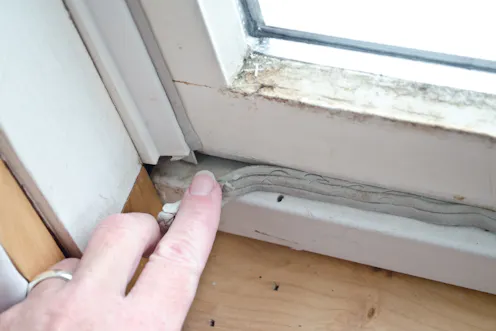
Improving the performance of nearly 11 million existing homes will make a much bigger difference to housing energy costs and emissions than an incoming 7-star energy standard for new homes.
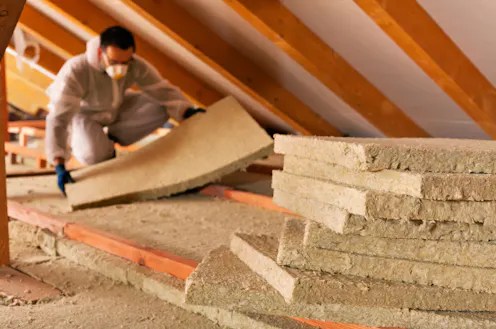
Past claims about the costs of 5-star and then 6-star home energy ratings were overblown. We are hearing similar claims about the new 7-star standard, but good design makes it a good deal for owners.

The first upgrade to minimum energy-efficiency standards in a decade will cut emissions and energy costs for the 5.5 million houses to be built by 2050. Retrofitting homes is an equally urgent task.

It’s been unusually cold, and energy prices are soaring. That spells trouble for the quarter of Australians who have very cold homes.

A suite of proposed changes to energy efficiency section of the National Construction Code are a good step forward. However, a lot more can be done.
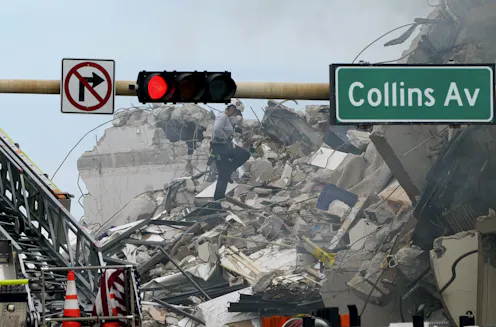
Construction experts explain the various factors that likely came into play, leading to the collapse of a building which had reportedly been sinking for some time.

Since the Grenfell Tower fire claimed 72 lives in 2017, Australia has identified flammable cladding on more than 3,400 buildings. Despite apartment owners’ fears and rising costs, few have been fixed.
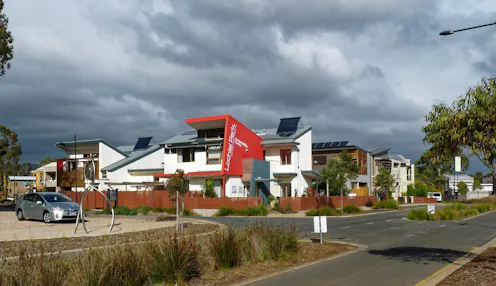
There has never been a better time for public money to go into improving the performance of Australian housing. We could have cut household bills and emissions, as well as saving construction jobs.

A long-term housing stimulus package that focuses on retrofitting to cut energy demand would also help households repay the debts being accumulated during this crisis.
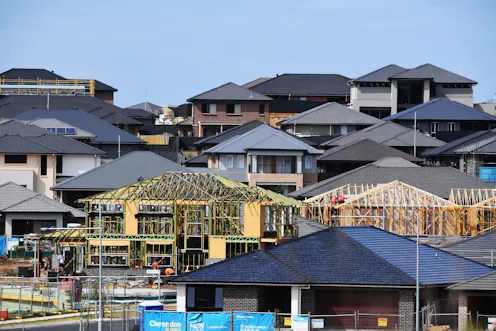
Australia requires a minimum six-star energy rating for new housing. New homes average just 6.2 stars, so builders are doing the bare minimum to comply, even as the costs of this approach are rising.
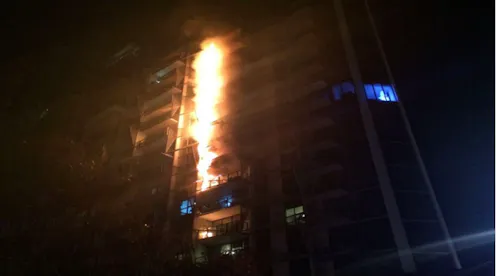
Estimated costs for Victoria alone range from hundreds of millions to as much as $1.6 billion If work to rectify buildings fitted with combustible cladding isn’t well handled.
Contact Trivess for
- General
- Media request
- Speaking request
- Consulting / Advising
- Research collaboration
- Research supervision
- Location: Melbourne, Victoria, Australia
- Website
- X (formerly Twitter): @TrivessMoore
- Article Feed
- ORCID
- Joined
