
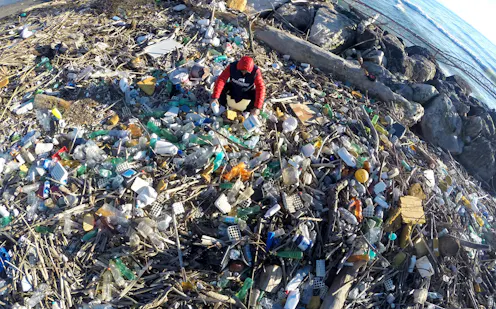
Global plastics production is set to double by 2040. The upcoming UN meeting is a chance for New Zealand to stake a stronger position on a proposed treaty to reign in plastic pollution.
- Associate Professor, Te Kunenga ki Pūrehuroa – Massey University
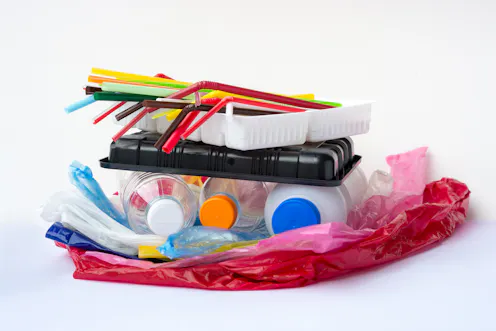
L’analyse cycle de vie des emballages alimentaires omet souvent l’impact et la toxicité éventuelle des fuites de plastique dans l’environnement. Ce qui donne aux plastiques un avantage injustifié.
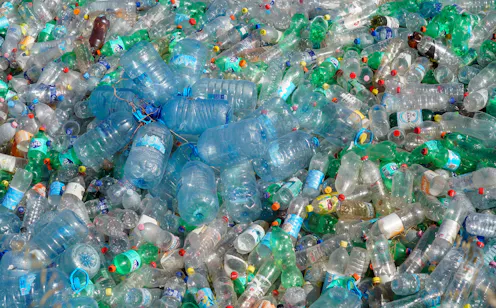
Life-cycle assessments of food packaging often omit the impact and possible toxicity of plastics leaking into the environment. Excluding these factors gives plastics an unjustified advantage.
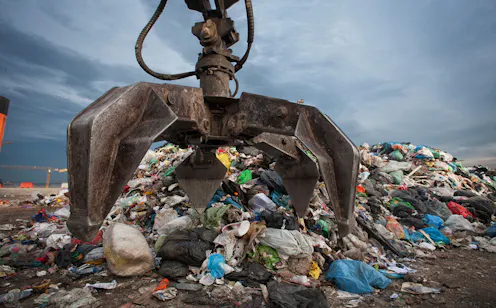
Waste-to-energy incineration has been raised as a solution to the global plastic waste problem, but the technology adds pollution and greenhouse gas emissions and encourages more waste production.
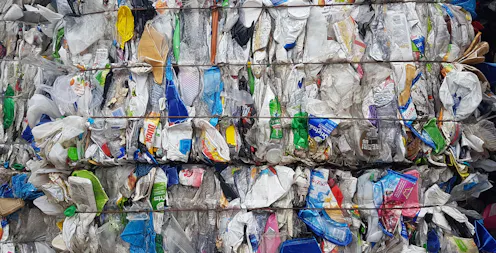
We need a global treaty to combat plastic pollution, but a small group of countries is blocking real action.
Contact Trisia for
- General
- Media request
- Speaking request
- Consulting / Advising
- Research collaboration
- Research supervision
- Location: Palmerston North, New Zealand
- Website
- Article Feed
- ORCID
- Joined
