

The system isn’t working well – and among the biggest losers are state governments themselves.
- Deputy Program Director, Migration and Labour Markets, Grattan Institute

Simple changes to Australia’s skilled migration points test could boost visa-holders’ earnings, government budgets and Australia’s productivity.

Australia needs more housing and is getting more migrants. But we need more of those migrants to be able to help build those houses.

The number of unemployed international graduates in Australia is set to rise if the temporary graduate visa program isn’t overhauled.

Last year, the workplace cop fined employers just $4 million for underpaying workers. The Tax Office collected $3 billion in penalties from people who didn’t pay their tax.

Migrants in Australia less than five years are twice as likely to be underpaid as other employees.
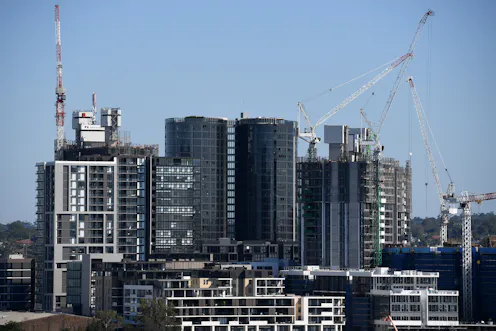
Zoning restrictions added A$489,000 to the price of a detached house in Sydney, A$324,000 in Melbourne, A$159,000 in Brisbane, and A$206,000 in Perth.
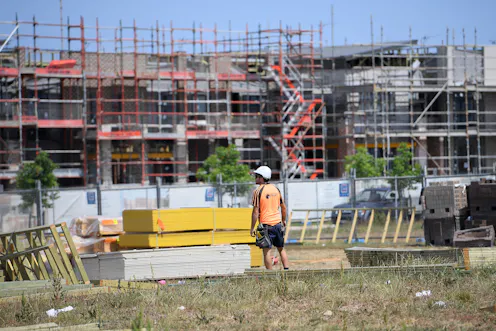
Australian governments are faced with a choice: make the difficult decisions to fix planning systems so more houses can be built, or tap the brakes on Australia’s migrant intake.
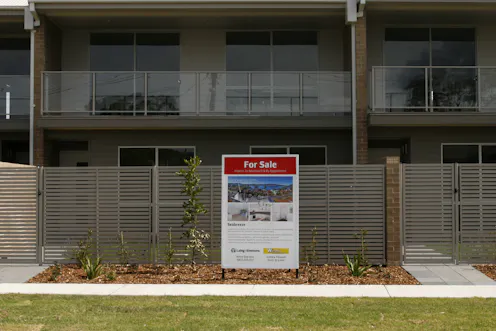
Rising housing costs are hurting low-income Australians the most. The gap in home ownership between rich and poor is widening, house prices are rising fastest at the bottom and rental stress is rising.

Australia is becoming wealthier, but much of that wealth remains concentrated in the hands of older generations.

Obesity imposes enormous costs on the community, through higher taxes to fund extra government spending on health and from foregone tax revenue because obese people are more likely to be unemployed.
Contact Trent for
- General
- Consulting / Advising
- Research collaboration
- Research supervision
