

Some estimates say up to one in seven people are living in poverty, but Australia doesn’t properly measure it. Here’s how we could.
- Honorary Enterprise Professor in the School of Social and Political Sciences, The University of Melbourne
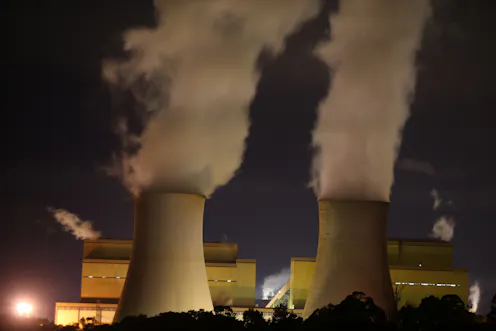
Company directors who ignore or don’t properly asses climate related risks could be found liable for breaching their duty of care.
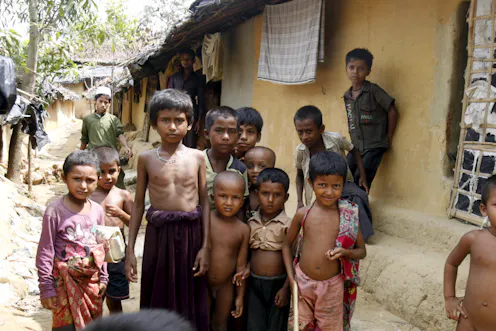
Unless managed more effectively, forced migration will have permanent and intensifying negative impacts on countries across the globe.
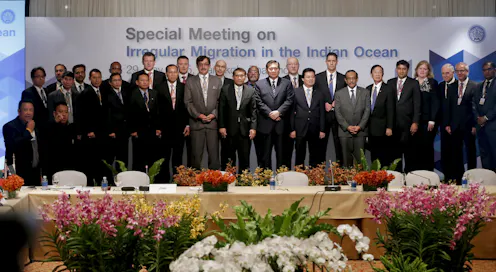
Plans for more robust architecture on forced migration need to be more advanced. Countries in our region must not rest on their laurels.
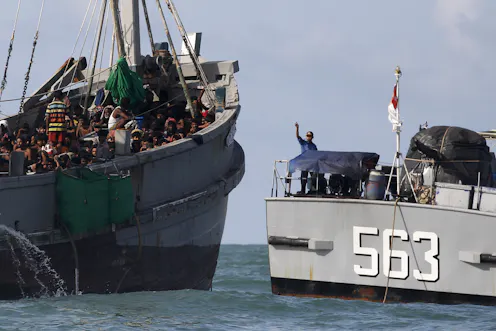
The region is showing signs it is determined to ensure similar mass displacement crises such as that which took place in the Andaman Sea in 2015 are avoided.
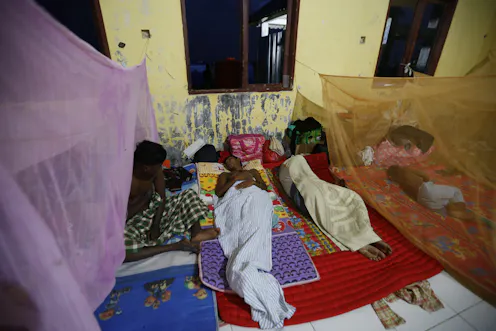
There is every sign the underlying causes of forced migration – war, repression, ethnic conflict, climate change displacement and rampant human trafficking – will continue.
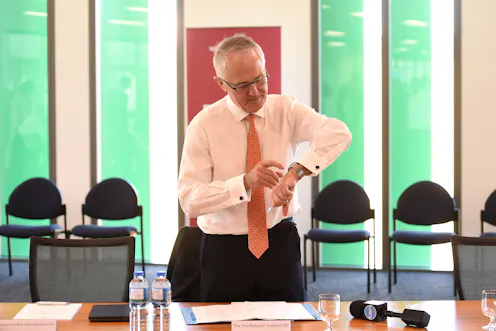
Politicians and policymakers are at last grappling with the urgent need to generate new ideas and fresh ways of doing things. But in the race to the top, Australia has barely reached base camp.

Joe Hockey’s second budget has two large deficits: the fiscal one, plus the lack of a coherent and creative plan for Australia. The Abbott government failed to ‘have a go’ at building the future.
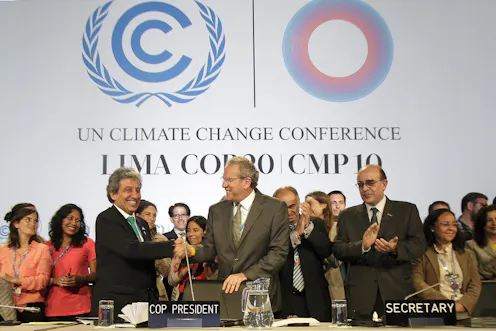
Even as the challenges of climate change grow ever more obvious, what remains largely unacknowledged is the crisis in liberal democratic politics that is preventing an effective response.
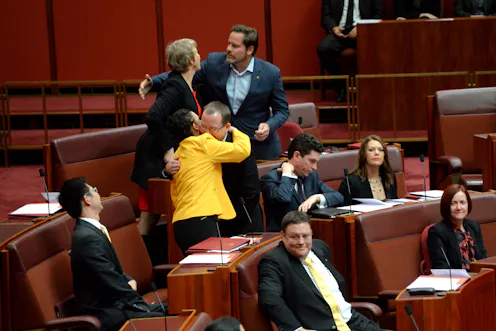
The Senate is not a root cause, but part of a long list of symptoms that indicate Australia’s political system is increasingly unfit for purpose in the 21st century.

The World Economic Forum’s annual meeting wraps up off the piste in the Swiss ski resort this weekend. Two themes are growth and stability; and innovation and industry. Attendees must feel like Bill Murray…
Contact Travers for
- General
- Media request
- Speaking request
- Consulting / Advising
- Research collaboration
- Research supervision
- Location: Melbourne
- Website
- LinkedIn: travers-mcleod-672a9a43/
- Article Feed
- Joined
