Tracy Vaillancourt

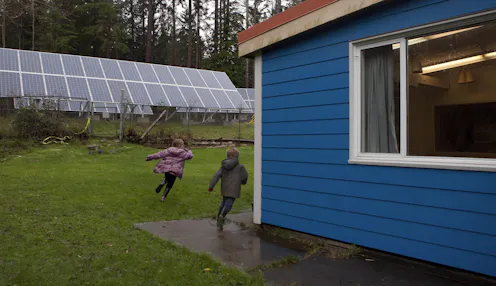
Children need pauses from cognitive effort, ideally involving unstructured play. Students play during recess on Lasqueti Island, B.C., in 2016. THE CANADIAN PRESS/Chad Hipolito

Our kids’ recess at school is essential to well‑being and learning — and shouldn’t be scaled back

Time to play, move, connect with peers and breathe is a vital part of learning and essential to academic motivation.
Efforts to ban smart phones in classrooms are well intentioned and seek to support youth, but research supporting these practices is still unsettled. (Shutterstock)

Social media warning labels and school cell phone bans: Do they unlock better youth mental health?

Concerns surrounding cell phones and social media are grabbing headlines, but what does the science say?

Eating disorders are on the rise in youth, with research showing that health-care visits for eating disorders have doubled since before the COVID-19 pandemic. (Shutterstock)

Spotting the signs of disordered eating in youth: Tips for parents and caregivers

Parents and other supportive adults can learn to recognize young people’s symptoms of disordered eating, which is a spectrum of unhealthy eating patterns and behaviour.

Caregivers are encouraged to have conversations about mental health early and often, whether their child or teen is struggling or not. (Shutterstock)

What to do if your child is struggling: Steps caregivers can take to help kids and teens with their mental health

With child and adolescent mental health problems on the rise, here is a step-by-step guide for caregivers for recognizing signs of mental distress and responding with support and resources.
The results of a new study highlight just how difficult, and potentially fatal, the pandemic has been for children and adolescents. THE CANADIAN PRESS/Adrian Wyld

Suicide attempts rose among children and adolescents during the COVID‑19 pandemic, especially for girls

The rate of suicide attempts in children and adolescents increased by 22 per cent during the pandemic compared to before the pandemic.

In a Spring 2022 survey of parents with kids between ages six and 17 years, more than 50 per cent perceived that their child had needed help regarding their emotional or behavioural problems in the past six months. (Shutterstock)

On World Children’s Day, let’s recognize that children’s rights include mental health

Canada ranks 30th out of 38 wealthy nations in supporting the mental health and well-being of children. The need to invest in and prioritize mental health for children and young people is urgent.

Contact Tracy for

  • General
  • Media request
  • Speaking request
  • Consulting / Advising
  • Research collaboration
  • Research supervision