
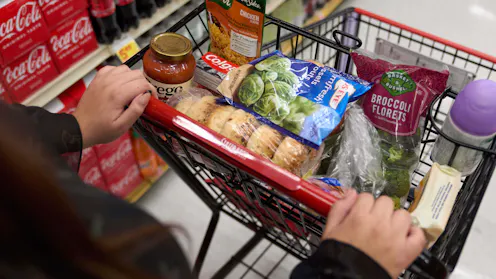
Some of these changes have already taken effect. Others that are a year or more away could make it hard for some states to keep participating in the program at all.
- Associate Professor of Political Science, University of Richmond
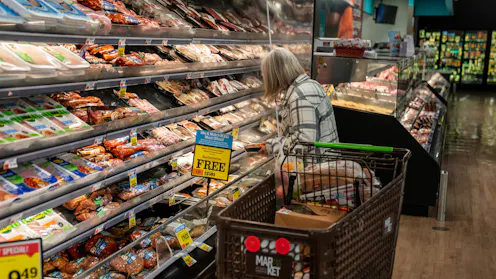
Nearly 60% of Americans enrolled in the Supplemental Nutrition Assistance Program are either children under 18 or adults who are 60 or older.
There are few, if any, alternative sources of food insecurity data that don’t rely on the survey the government is ending.
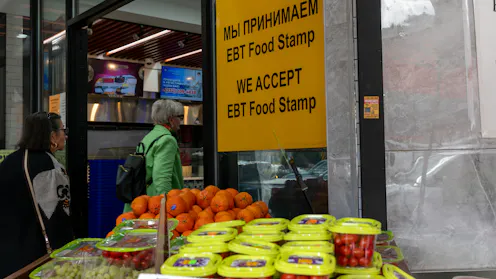
Work requirements will expand and exemptions from them will recede. How much states have to pay will be tied to the prevalence of mistakes, not fraud.
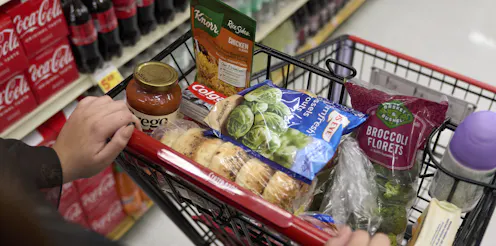
The federal government spent $100 billion on these benefits, which are still sometimes called food stamps, in 2024.
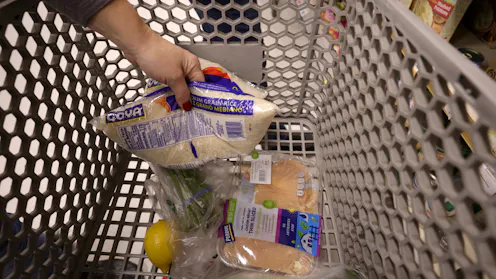
More than 41 million people rely on the Supplemental Nutrition Assistance Program to buy their groceries. When the COVID-19 pandemic began, the program ramped up.
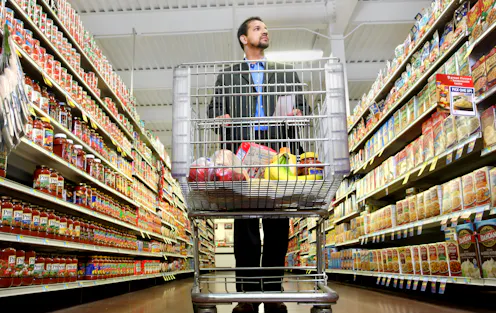
Long-term increases like this are unusual. So is the fact that this increased governmental generosity began with a measure approved by Congress when Republicans held majorities in both chambers.
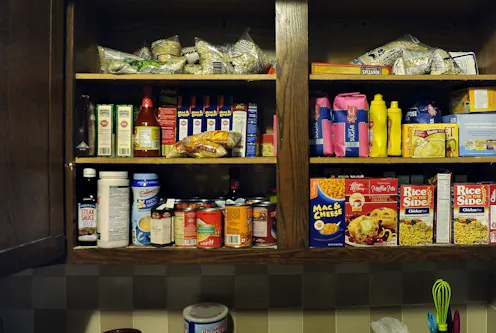
The Biden administration is trying to shore up SNAP, a mainstay of the safety net.
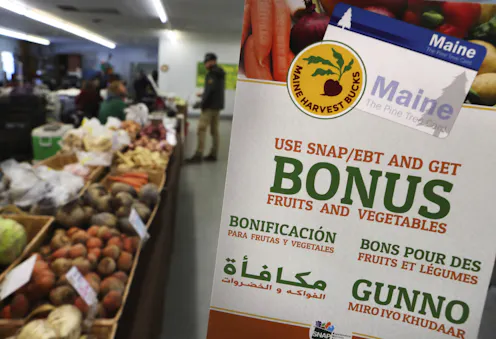
More Americans are getting benefits, and more of the people getting benefits are eligible for higher levels of support.
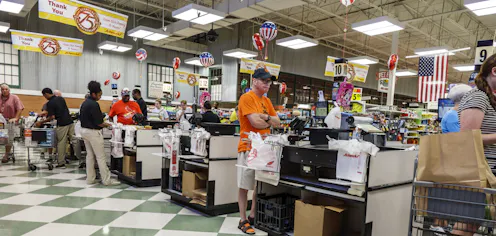
The food aid program helps low-income families put food on the table and injects money straight into struggling local economies. It will be critical throughout the crisis the coronavirus is stoking.
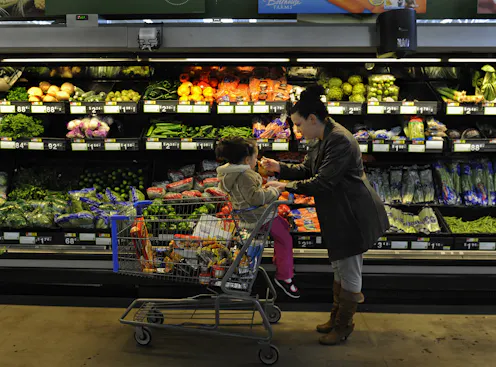
This pillar of the American safety net originated as a solution to the paradox of hunger in the midst of plenty.
Contact Tracy for
- General
- Media request
- Speaking request
- Consulting / Advising
- Research collaboration
- Research supervision
- Location: Richmond, Virginia, U.S.
- Website
- Article Feed
- Joined
