
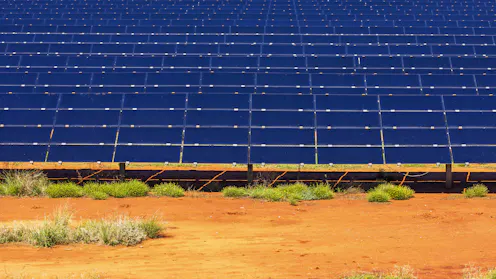
Retail power prices are set to fall, as renewables pile in – even though transmission costs are rising.
- Senior Fellow in Energy and Climate Change, Grattan Institute
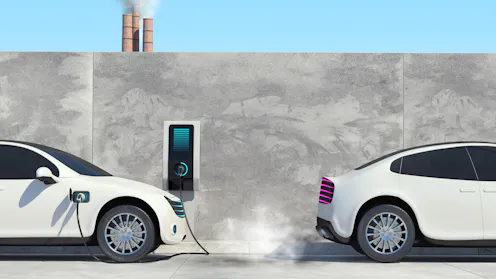
Expanding fuel reserves and slashing oil demand makes sense. Reopening refineries and drilling for more doesn’t.
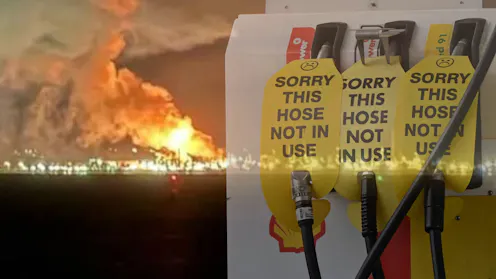
This fire should prompt us - again - to consider the future role of liquid fuels in Australia.
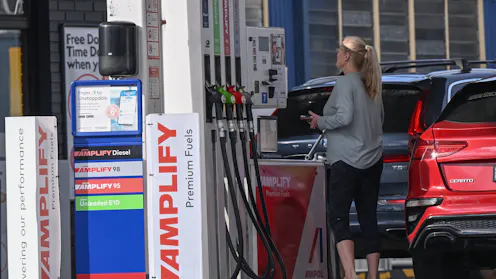
Governments in Australia and New Zealand aren’t sitting idle in the face of spiking fuel prices. Here’s what they’re doing – and what might make a difference
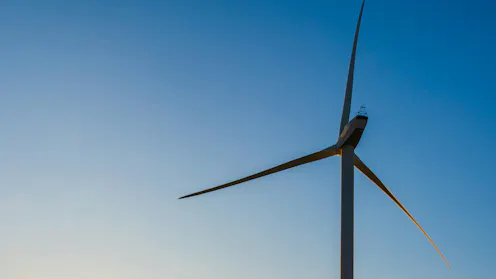
It wasn’t so long ago pundits claimed Australia’s grid couldn’t run on higher than 20% renewables. Now it’s 50%.
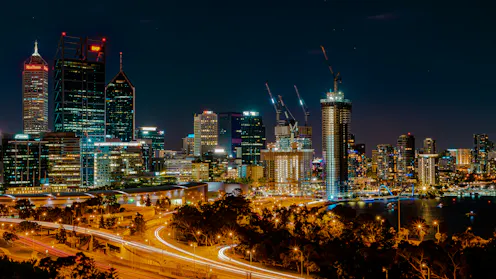
If Australia hits 82% renewables by the end of the decade, wholesale power should be a third cheaper.
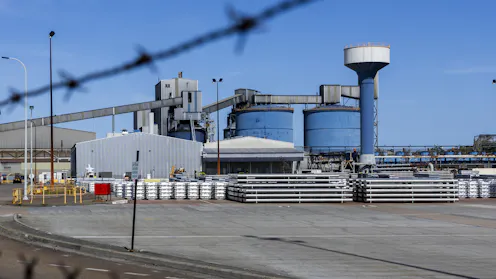
The federal government has done a deal - underwritten by the taxpayer - to keep Australia’s largest aluminum smelter open. What’s the exit strategy if it doesn’t go to plan?

The target seeks to balance positive action with pragmatism. Achieving it will requires a major policy step-up.
Queensland’s new government has set about scrapping clean energy projects. But it’s shaping up as a go-slow period, not a blanket ban.
Both Labor and the Coalition say their energy policies are the best way to bring household power costs down – but which side is right?
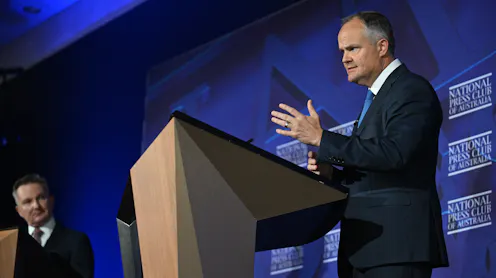
The Coalition reveals plans to review Australia’s 2030 emissions reduction target if they win government at the next federal election.
Cost of living is trumping climate at this election, but the issue won’t disappear. Here’s what major parties are offering – and what we actually need.
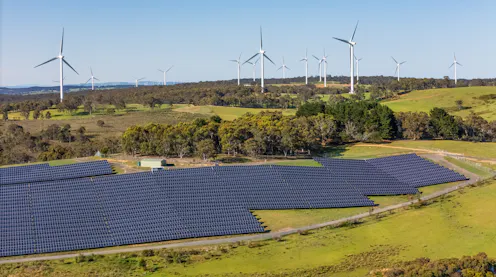
Solar and wind farms make power very cheaply. But power bills are still climbing because we underestimated other costs, from transmission to storage.
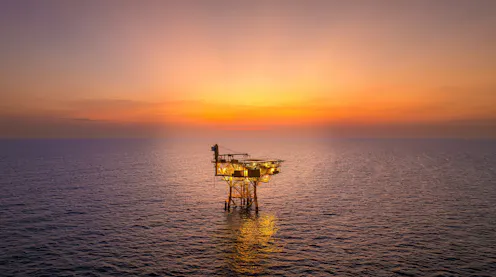
For decades, Victoria relied on its offshore gas riches. But the wells are running dry – and there’s no plans for more supply in Australia’s largest gas consuming state.
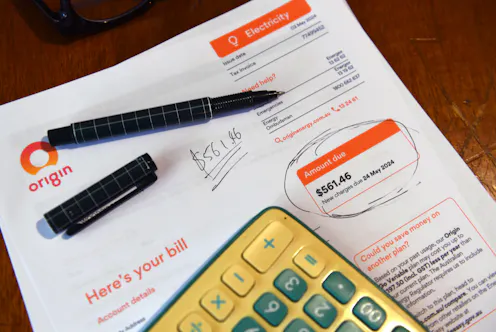
The Coalition’s nuclear plan is an unwelcome proposal which will slow the energy transition and increase our dependence on gas – a surefire way to drive up energy bills.
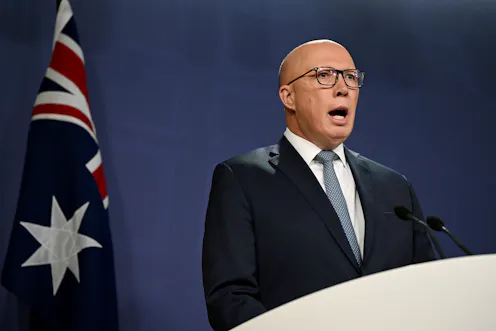
If Australia is to achieve net-zero emissions by 2050, the Coalition needs to stump up with a plan to decarbonise the entire economy.
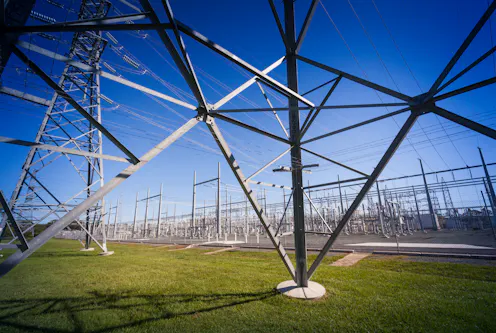
In states with competition between retailers, the energy regulator is promising savings for most customers on the default plan. But it’s small change compared to price hikes. Here’s what to expect.
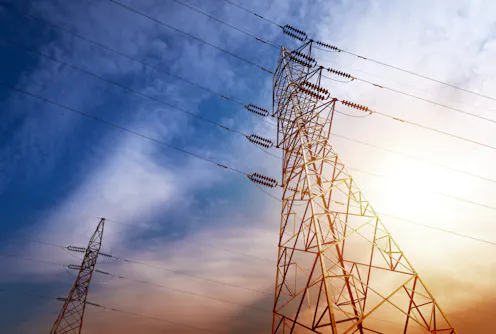
Power prices surged two years ago – and now are falling sharply. Why does it take so long to see relief?
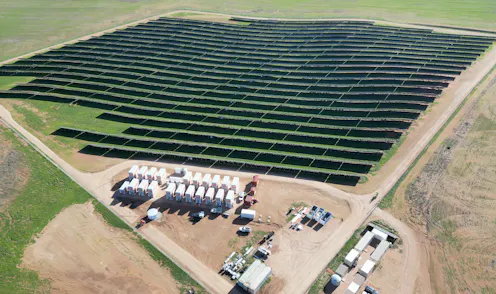
The Australian Labor government’s expanded Capacity Investment Scheme gives us a better chance of hitting high renewable energy targets. It’s not without risk but well worth the rewards.
Australia’s move towards net zero emissoions by 2020 is in danger of stalling. If it is not to fail, the nation urgently needs a government plan, aligned with industry and with public support.
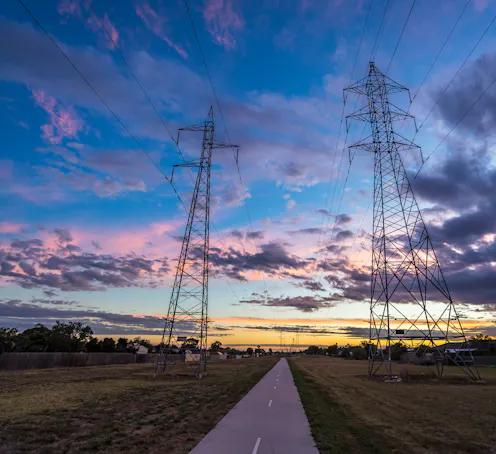
Australia’s grid will likely get through this angry summer without falling to pieces. But our market operator is worried about the summers after that.
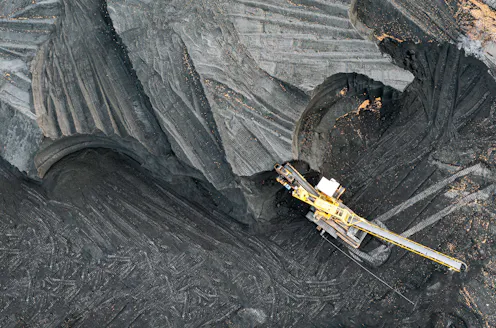
The Greens wanted Australia to rule out new coal and gas projects. Instead, we have a hard cap on emissions – and that should make many fossil fuel projects unviable
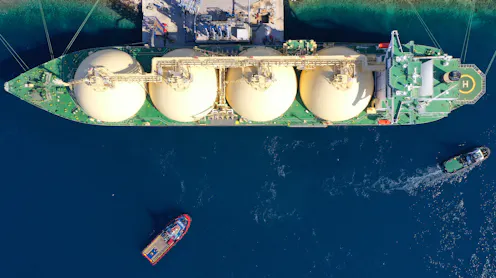
Energy bills are about to hurt. But what can the government actually do to ease the pain?
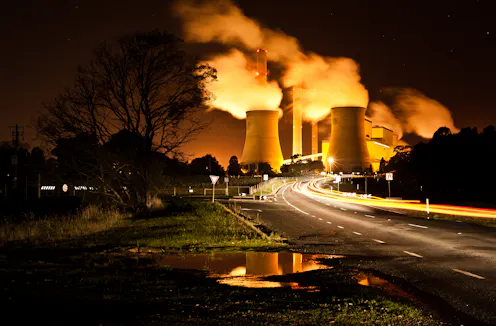
Victoria’s new renewable plan is welcome - but it relies on building unsexy and challenging new transmission lines across the state.
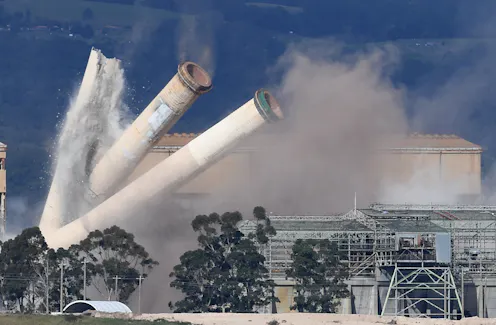
The answer? By closing a highly polluting power station - and ramping up renewables.
Contact Tony for
- General
- Media request
- Speaking request
- Consulting / Advising
- Research collaboration
- Research supervision
