
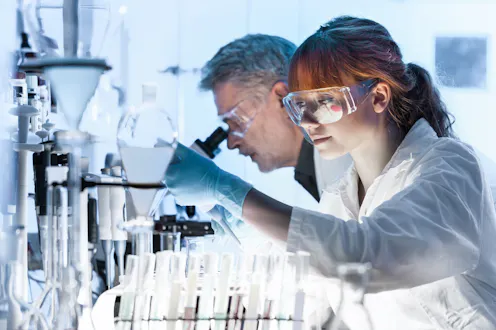
The first thing Australian medical research needs is more money. The second thing is making funding allocation less of a lottery.
- Professor of Epidemiology, Population Interventions Unit, Centre for Epidemiology and Biostatistics, Melbourne School of Population and Global Health, The University of Melbourne
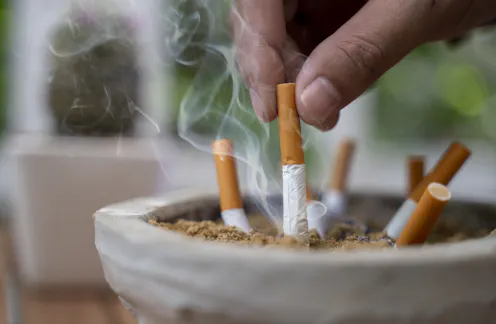
Legislation now entering parliament aims to make Aotearoa New Zealand smokefree by 2025. Forecast effects show huge potential health gains, especially for Māori.
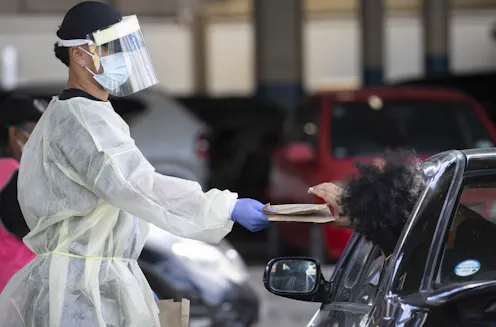
Based on certain criteria, New Zealand is clearly ‘winning’. But getting policy settings right over the long haul is about more than just having the most favourable assessment on selected criteria.
Omicron BA.2 case numbers are unlikely to reach worrying heights requiring reinstating restrictions.

The arrival of the highly infectious Omicron variant has changed the COVID landscape in Australia. We asked 5 experts whether it’s time to rethink vaccine mandates for dining, fitness and events.
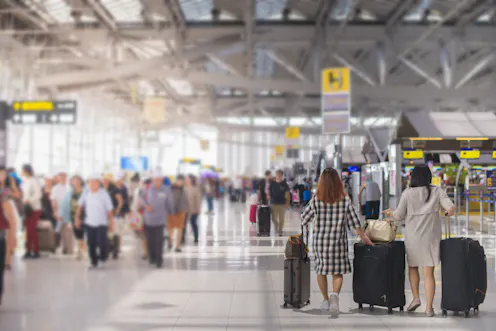
Even when we immunise all Australians who want to be protected against COVID-19, we’re unlikely to achieve herd immunity through vaccination alone. We need three other measures to open our borders.
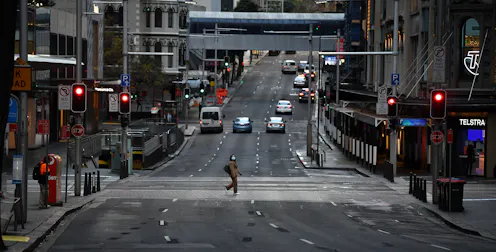
Our modelling shows the elimination strategy, including early, sharp lockdowns, remains Australia’s best policy.
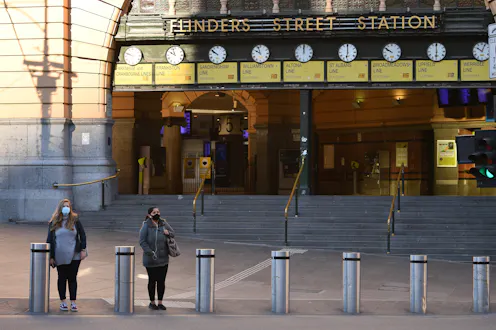
Chance matters. It’s unlikely Victoria is doing anything that ‘makes us’ more likely to have outbreaks leading to lockdowns.
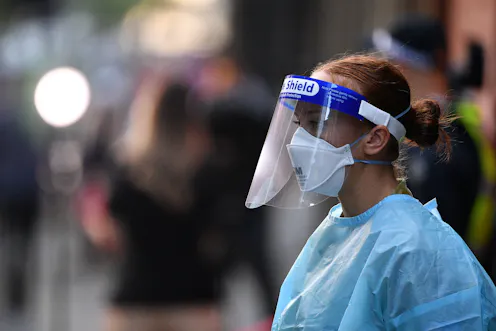
The government says hotel quarantine is ‘serving Australia very well’. But if you look at the leaks as a proportion of COVID-positive returnees, it’s a different story.
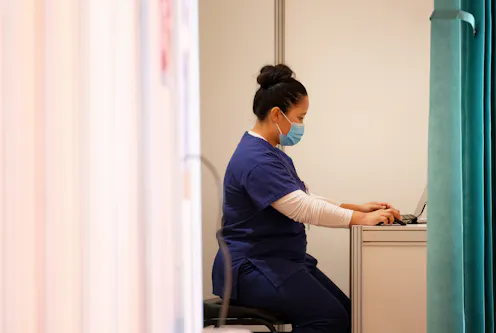
This week’s budget assumes all Australians will have the chance to be fully vaccinated by the end of the year. It’s ambitious but possible.
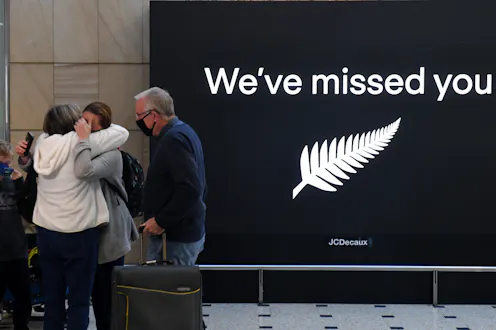
The amount of risk from overseas arrivals depends not just on Australia’s vaccination rates, but also on the particular circumstances of the country from which people are travelling.
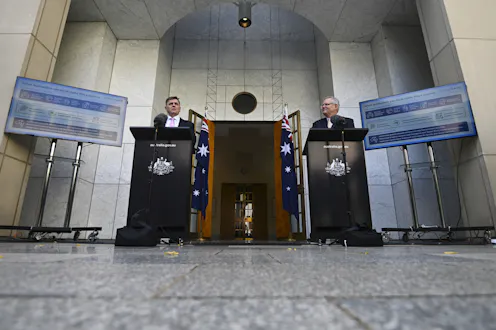
The federal government has announced a stepped approach to relaxing social distancing measures. What they haven’t said is how high they’ll allow the curve to rise.

Australia is making good progress in flattening the curve, which will save our hospitals from being overwhelmed. But we still have to work out what comes next and how restrictions can be safely eased.
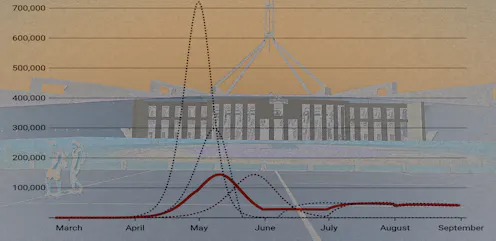
Should we close schools and workplaces now, or steadily introduce stricter social distancing measures over time? These mathematical models evaluate different approaches of flattening the curve.
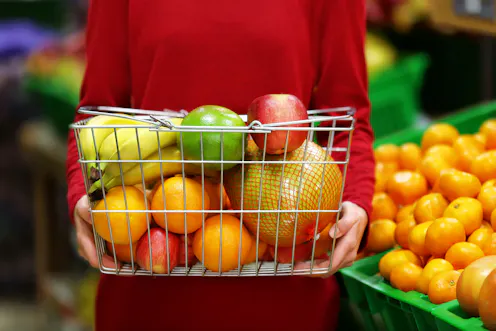
By tweaking the prices of foods and drinks, to make healthy options more affordable relative to the less healthy products, we can influence what people will buy.
Contact Tony for
- General
- Media request
- Speaking request
- Consulting / Advising
- Research collaboration
- Research supervision
- Location: Melbourne
- Website
- X (formerly Twitter): @TonyBlakely_PI
- Article Feed
- ORCID
- Joined
