

You might be tempted to go for a run to control your anger. But that can make things worse. Here’s what the evidence tells us actually works.
- Professor of Psychology, UNSW

The way someone forms emotional bonds with their caregivers as a child can increase the risk they’ll be violent to a partner later in life. But other factors play an important role.

Nearly one-quarter of us feel angry on any given day. Here’s how mindfulness could help.

The best way to avoid any family tensions at home is to know how to spot them building and then try to calm things down. Here are some tips on how to do that.
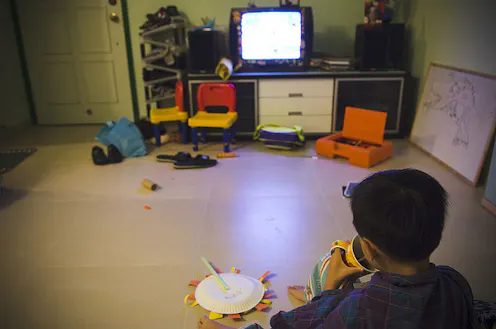
Does viewing violent television as a child increase aggression toward women later in life? We check the research.

We have evolved a tendency to find people with wider faces to be more threatening. But appearances can be deceving.

Our study found that those people - including women - who are most interested in sex play the most violent games.

Everyone knows someone with a quick temper – it might even be you. And while scientists have known for decades that aggression is hereditary, there is another biological layer to those angry flare-ups…
Contact Tom for
- General
- Media request
- Speaking request
- Consulting / Advising
- Research collaboration
- Research supervision
- Location: Sydney, Australia
- Website
- Article Feed
- ORCID
- Joined
