

The absence of the early warning network will affect Kenya’s ability to address food insecurity.
- Research Fellow, Tegemeo Institute, Egerton University
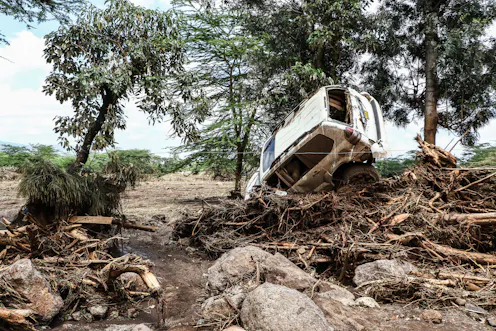
Massive damage to key infrastructure and croplands means the effects of Kenya’s devastating floods will be felt for a long time.

Ruto’s administration continues to borrow, just like the previous regime.
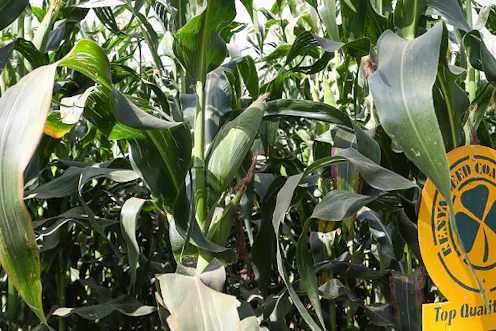
Kenya’s new administration needs to prioritise investing in sustainable solutions to fix perennial maize shortages.
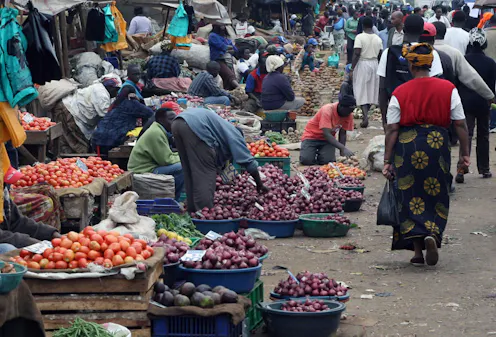
In spite of public disapproval, food prices are likely to remain high this year unless the government intervenes to cushion farmers from rising costs.
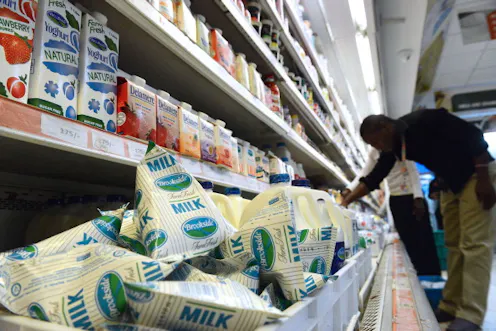
The industry is in the hands of smallholder farmers who struggle to raise capital and practise good farming.

Kenya should develop market standards that guide the quality of potatoes sold in local markets.
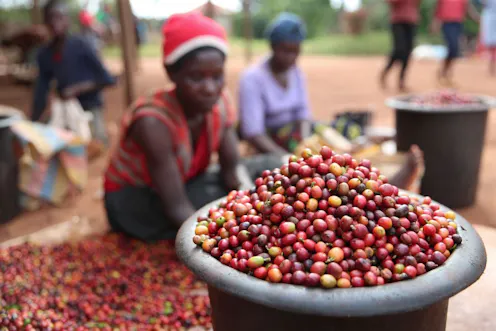
Kenya needs to address spending inefficiencies to attain the goals outlined in the budget.
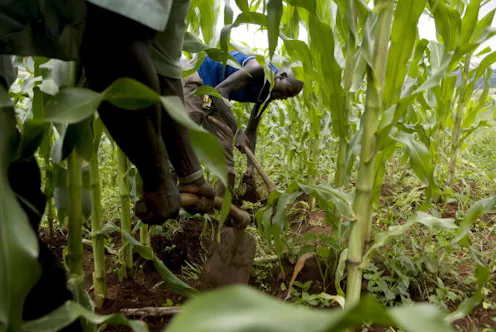
The government intervening to ensure food safety will increase awareness among producers and consumers.
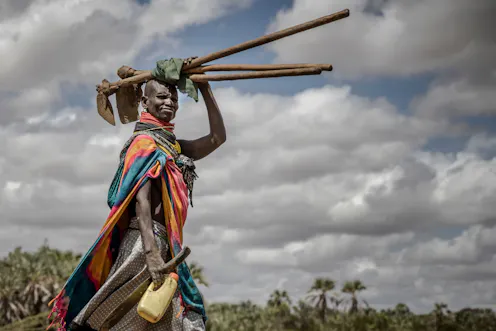
A consistent, predictable and friendly policy environment can attract private sector investments in agriculture to drive transformation.
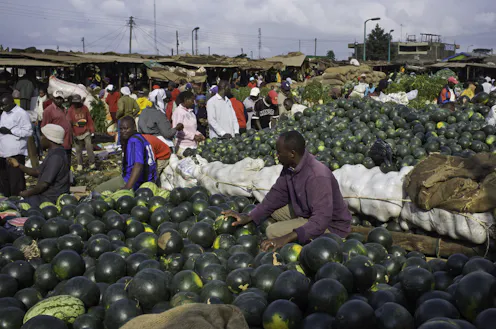
County governments and the health ministry should allow produce markets to operate in urban areas.
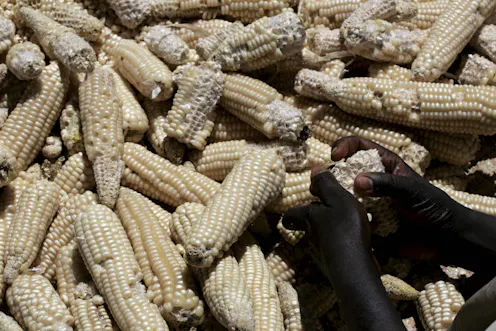
Understanding the political economy around maize production puts into context debates on key interventions in the value chain.

Some areas of concern remain. These include the mobilisation of local resources, reduction of the fiscal deficit and stabilisation of the national debt.
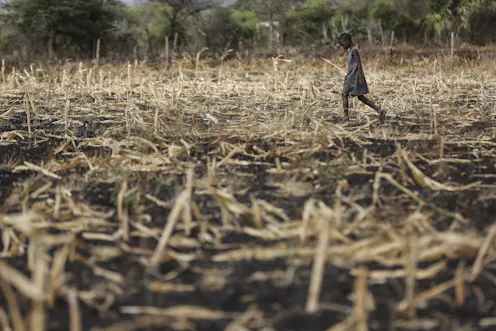
The availability of data and evidence in the agricultural sector is critical for decision making
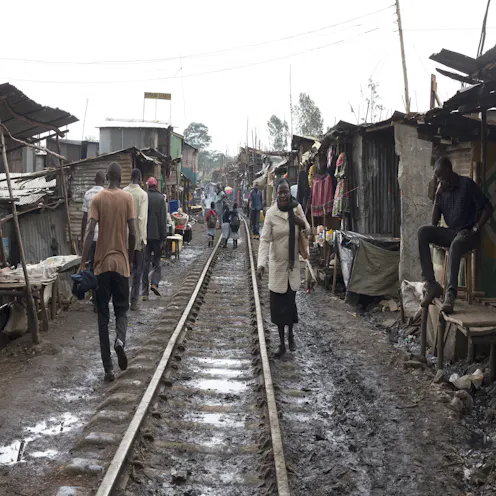
CC BY-ND10.8 MB (download)
Millions of people in Kenya still face poverty. But there's hope.
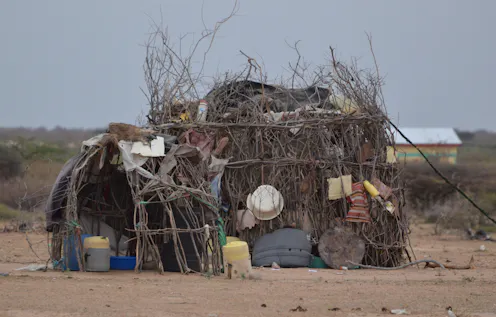
Statistics suggest that the fight against poverty is far from being won in Kenya.
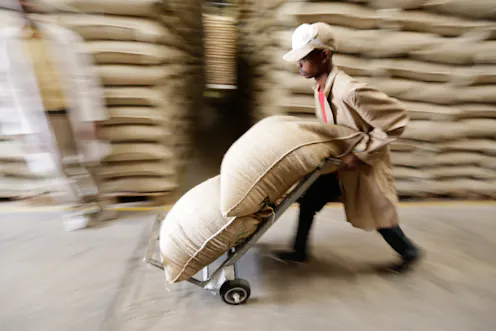
Kenya’s new budget is expected to focus on food security, manufacturing, universal health coverage, and affordable housing.

Post-harvest management will reduce losses and improve food availability.
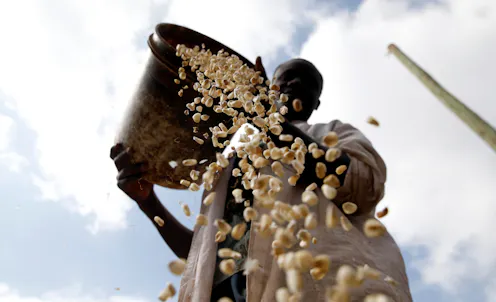
Kenya’s government responded with subsidies to tend to the 2017 maize crisis to ensure that it remained affordable. However, the country needs long term solutions to this perennial challenge.
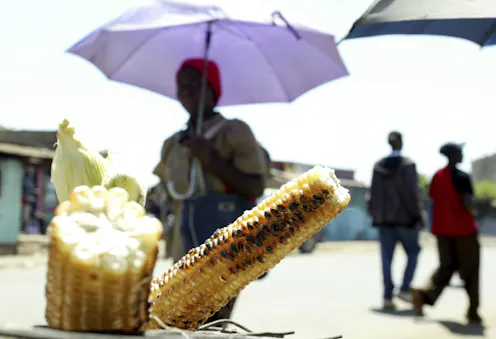
Kenya’s high consumer food prices are worrying because they are unresponsive to the policies pursued. The country needs to address this and improve planning to attain stability.
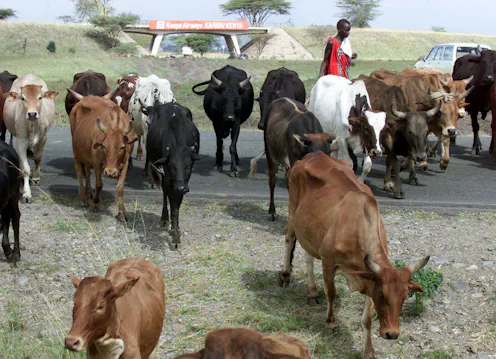
In Kenya there’s increasing individualisation of land tenure in pastoral areas. This will hurt the communities in the long term because it doesn’t enhance sustainable productive practices.
Contact Timothy for
- General
- Media request
- Speaking request
- Consulting / Advising
- Research collaboration
- Research supervision
- Location: Nairobi, Kenya
- Website
- Article Feed
- ORCID
- Joined
