
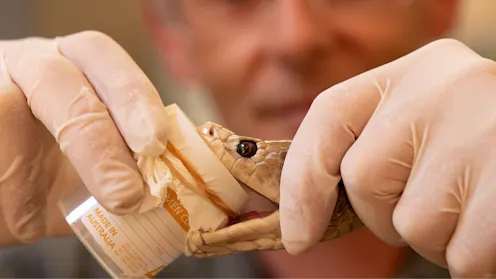
A man spent 18 years injecting himself with venom, almost dying more than once – and now his blood is behind a new snakebite treatment.
- Research Fellow and Co-head, Australian Venom Research Unit, The University of Melbourne
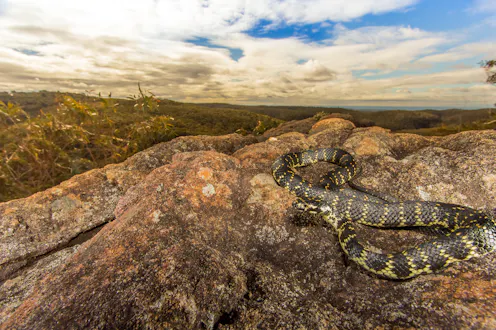
Evidence suggests climate change could make snakes come out of hiding earlier. But it’s also likely to cause population declines or shifts in the long run, as snakes adjust to the new conditions.
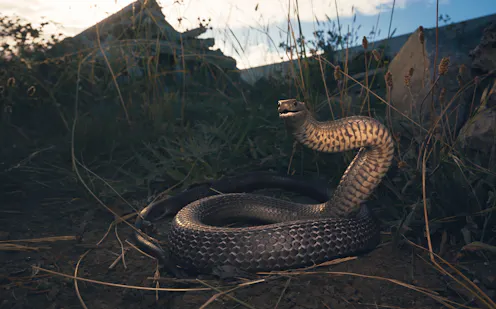
Whether you’re hoping to maximise your chances of seeing one of these shy, fascinating critters or wanting to avoid them at all costs, this article is for you.
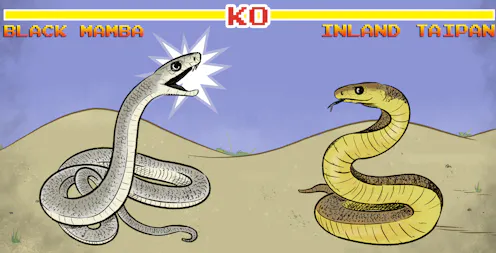
In the blue corner is the extremely venomous Black Mamba – top snake of Africa – and in the red corner is the muscular Inland Taipan – Australia’s alpha snake.
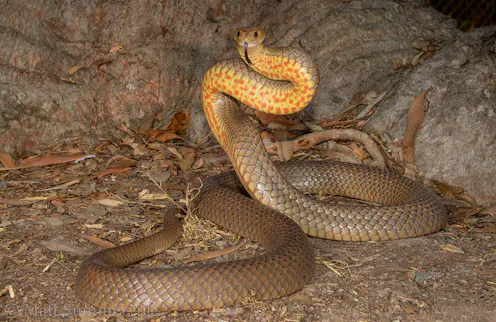
There has been at least one fatal bite from a very small brown snake in Australia. But now we know that venom is different in adult and baby brown snakes.
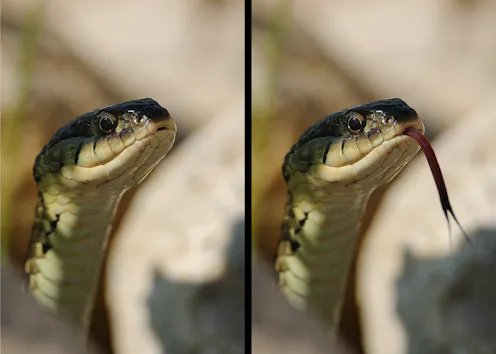
The way humans make an ‘ssss’ noise is different to the way a snake does it. We put our tongue behind our teeth when we hiss, but for a snake the tongue isn’t involved at all in making sounds.
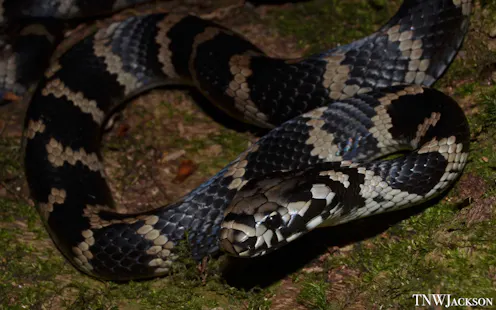
Most people avoid venomous creatures, but they can also teach us a lot about chemical reactions that take place outside of the body - or exochemistry.
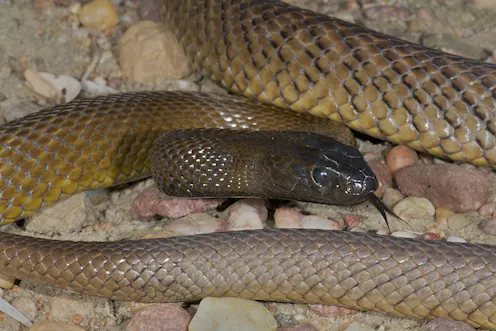
Australia is world famous for its venomous critters, including its many highly venomous snakes. The snake that holds the popular title of “world’s most venomous” is the inland taipan (Oxyuranus microlepidotus…
Contact Timothy for
- General
- Media request
- Speaking request
- Consulting / Advising
- Research collaboration
- Research supervision
- Location: Melbourne, Victoria
- Website
- X (formerly Twitter): @TNWJackson
- Article Feed
- ORCID
- Joined
