

Many COVID-19 vaccination campaigns encourage doctors to serve as a trusted source of vaccine information. But certain vaccine-hesitant providers may stymie these efforts.
- Assistant Professor of Health Policy and Managment, School of Public Health, Texas A&M University
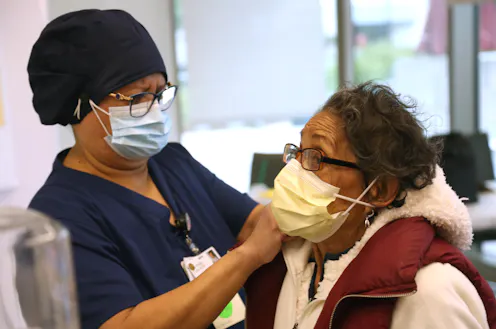
Getting a vaccine is proving difficult for many older people now, but the mad rush for the vaccine won’t last long. Many people don’t want to get one at all, and that will impede herd immunity.
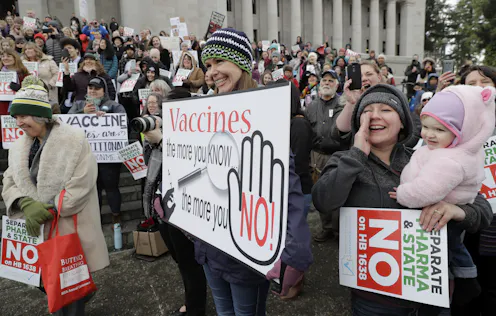
Studies have shown that the reasons for anti-vaccine sentiment run deep, and scientific facts don’t often matter. A new study drills deeper into reasons for resistance and possible ways to counteract them.

Vaccines have long been considered safe, but many people still believe they are not. A new study shows that people who think they know more than medical experts are more likely to believe that vaccine are not safe.
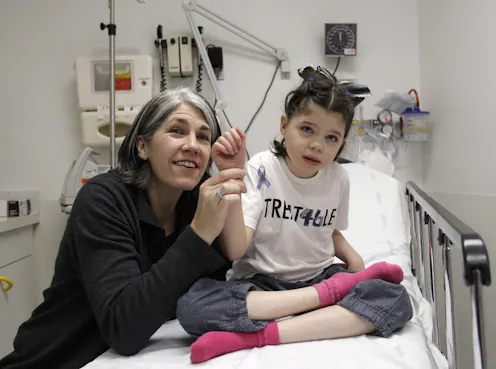
Congress has sent a bill to the White House. It gives terminally-ill patients more false hope than chances for a cure.
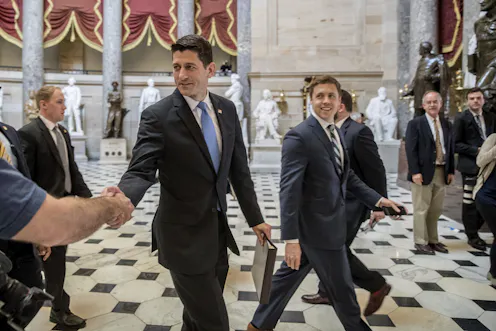
Arguments about the AHCA showed deep disagreement on health care coverage. Could this move us toward universal coverage, which some say could be simpler? Don’t hold your breath.

As Obamacare premium prices rise, many are asking why the U.S. doesn’t have universal health care in the first place. The reasons may surprise you.
Contact Timothy for
- General
- Media request
- Speaking request
- Consulting / Advising
- Research collaboration
- Research supervision
- Location: College Station, Texas, U.S.
- Website
- X (formerly Twitter): @THCallaghan
- Article Feed
- ORCID
- Joined
