

Year 12 students around Australia are beginning to receive their exam results. It’s a time of intense pressure for many young people.
- Senior Research Fellow, Curtin University

The ATAR is mainly used as an efficient way for universities to decide which students can be offered a place in a certain course.

Universities are increasingly accepting more students into degree programs without an ATAR. Here are some of the most common ways in.

The Coalition has had longer than a three year cycle to make some changes to education. But since the 2016 election, what has it actually done? And what is Labor proposing?

There are still some tricky equity issues for the incoming government to tackle.
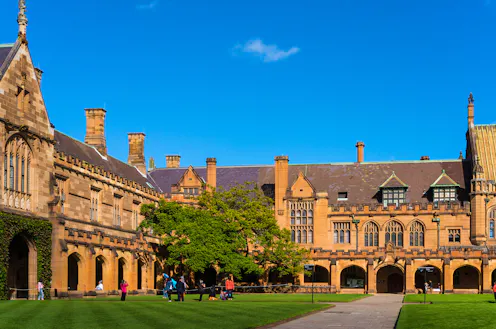
Tensions between the government and the university sector ran high in 2018, with the government cutting funding to student places and research and a big push back from universities.

An administrative link between a graduate’s education and taxation records already exists, and it could be used to give us more accurate and detailed longitudinal analyses of graduate outcomes.

We should accept a modest level of attrition so we can keep providing opportunities for part-time and online students, who might not otherwise be able to study.
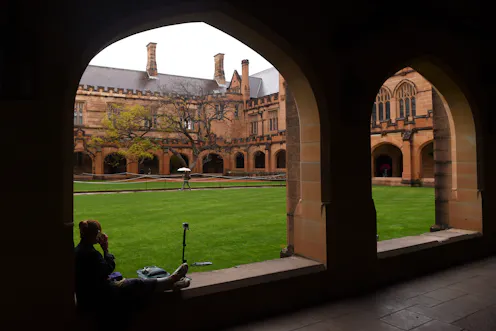
Though more moderate than the 2014 version, the new higher education reform package represents groundhog day for the major political parties.

Lower completion rates for rural and remote universities are not necessarily a reflection on the quality of the educational experience they provide, but reflect the demographics of their students.

While on the face of it a 1.5% increase in the number of disadvantaged students going to university might seem minimal, in real terms this is genuinely significant.

Now that the OLT is closing and the grants and fellowships are lost, it is not clear whether the government will play an active role in enhancing teaching excellence in our universities.

The ATAR system is cheap and efficient, but it means students are selected to go to university on the basis of a single score which some have claimed is too simplisitc. Is it time for a new system?

The latest Selected Higher Education Statistics have revealed an increase in student attrition, or the percentage of students commencing in 2013 who neither completed nor re-enrolled in 2014.

Labor has outlined its plan for universities should it be elected, saying it would be focusing on degree completion rather than enrolment.

I’ve always argued that tertiary education is a private benefit, I’m happy for taxpayer funding of primary and secondary education but tertiary education results in a higher salary. - Senator David Leyonhjelm…
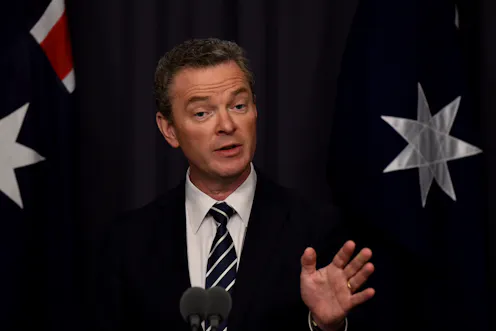
On Tuesday night, the Senate voted to block the government’s Higher Education Reform Bill. Despite last-minute negotiations, consensus could not be reached regarding its signature element – fee deregulation…
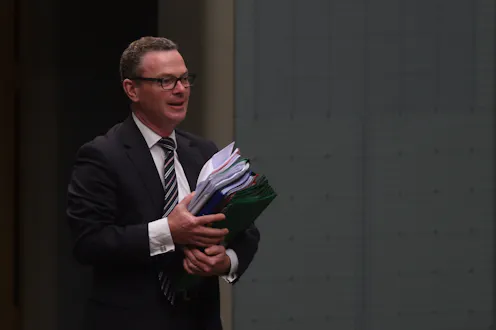
Submissions to the Senate’s inquiry into the higher education reform bill have now closed. The submissions are to assist the Senate in deciding whether or not to pass, block or amend proposed changes to…

Tertiary education graduates across the OECD earn on average 70% more than the non-tertiary educated, meaning despite rising costs of higher education in Australia the investment is still worthwhile. The…
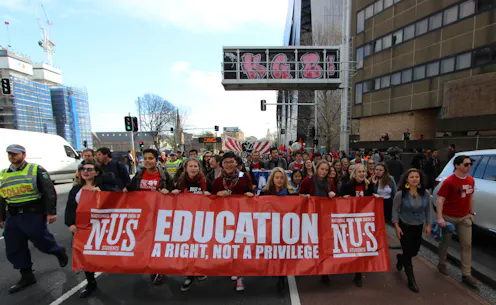
The much-awaited higher education reform bill has now been introduced to parliament. If passed, it will result in the most significant changes to the Australian higher education system since the Dawkins…
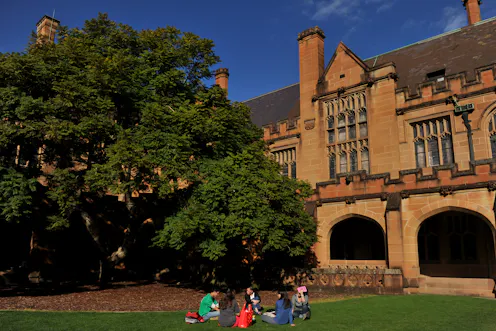
The 2013 student data has been released, which includes information on access for groups of students under-represented in higher education. Lately, most of the attention has been on students from low socio-economic…
In the 2014-15 budget, the government announced a new Commonwealth Scholarship scheme. This will require higher education institutions to commit $1 in every $5 of additional revenue to the scheme “to support…

In an article published earlier today and since withdrawn (‘Modelling shows more students face lifetime debt under deregulated fees’) we stated the proposed changes to higher education funding could result…
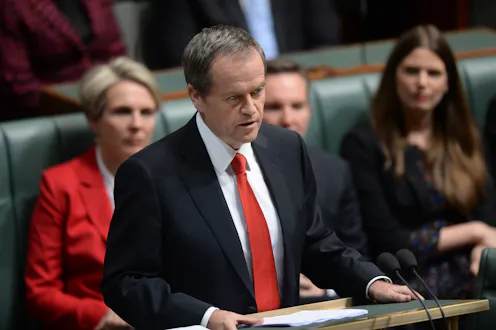
Opposition leader Bill Shorten has vowed to oppose funding cuts to hospitals, schools and higher education in his budget in reply speech, threatening more than A$10 billion in budget savings proposed by…
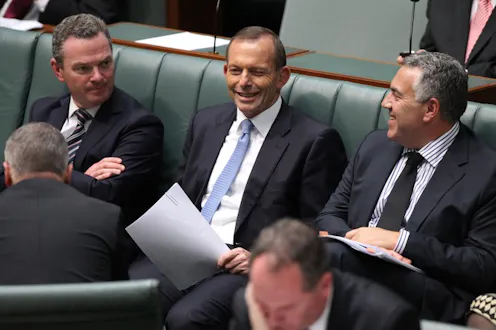
The government has unveiled a higher education deregulation agenda in Tuesday’s budget, including continuation of the demand driven system in public universities. In a major shake-up, universities, TAFEs…
Contact Tim for
- General
- Media request
- Speaking request
- Consulting / Advising
- Research collaboration
- Research supervision
