
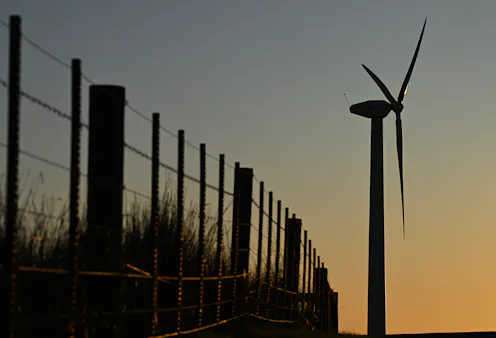
Of all Australia’s climate policies, the Renewable Energy Target has been the most effective. Why have Australian governments moved away from it, and how can they revive it?
- Associate Professor of Economics, Griffith University
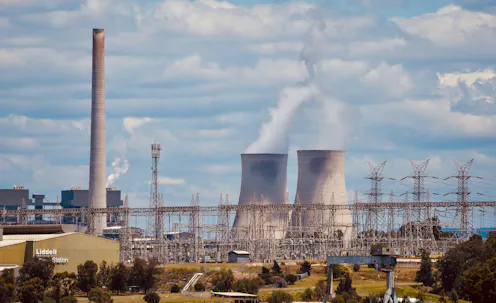
Liddell’s closure is an historic moment in the Australian energy landscape. Now, let’s get to net-zero.
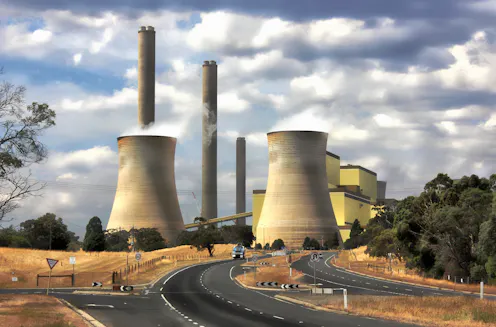
Loy Yang A power station burns brown coal – an inefficient source of electricity that doesn’t stand a chance competing against renewables.

Paying coal-fired power stations to stay open means consumers will be picking up the cost when they ultimately fail.
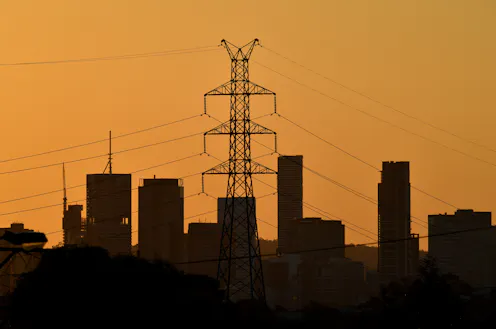
Australia’s energy market operator has suspended the National Electricity Market, due to a perfect storm of coal plants going offline and a spike in fossil fuel prices.

None will address prices immediately. For now, the best option to keep warm this winter without breaking the bank is to shop around for the best electricity deals.
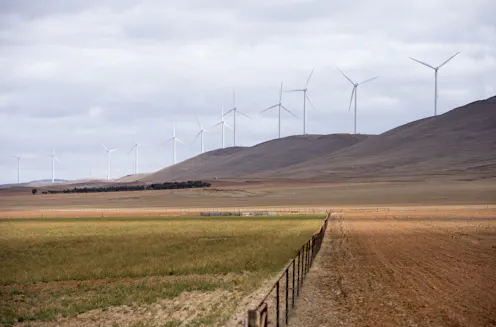
Electricity is an essential service. Acting quickly is crucial to avoid households falling into hardship, and businesses closing their doors.

Australia might be a long way away, but fossil fuel price spikes triggered by the Russian invasion of Ukraine are hitting households hard. We could have avoided this pain.
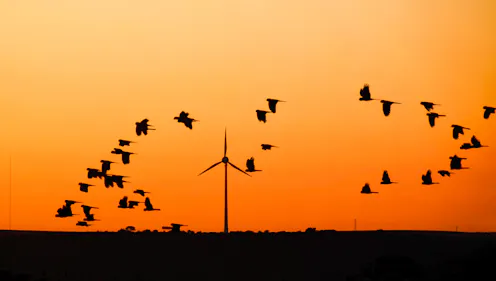
A new report predicts an incredibly rapid closure of coal-fired power stations. Continuing to deny this is simply not in the interest of coal workers and their communities.

Major coal generators say the proposal will help shore up energy supplies. But opponents say it will pay coal plants for simply existing and delay the clean energy transition.
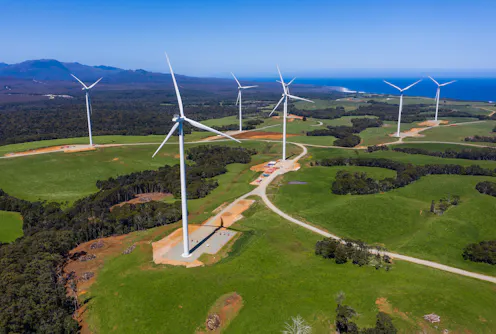
The new commitments of state governments go some way to filling the void left by the lack of a national climate policy. The states should, and can, coordinate their efforts. Here’s how.

A proposal to change the way electricity generators and retailers strike contracts for electricity would be bad for both consumers and climate action.
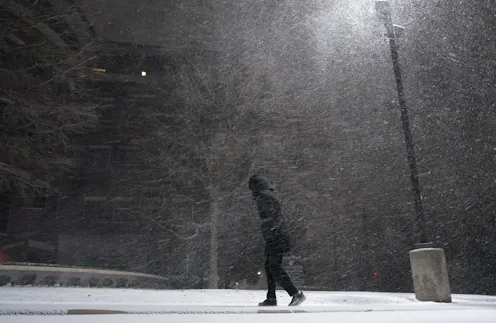
While Australia doesn’t generally experience such extreme winter temperatures, our electricity systems are still vulnerable to climate change, extreme weather and power outages.

While much of the world moves towards zero-carbon economies, a NSW mega-plan for new renewables may set up the state as an energy superpower.

After a decade of rising electricity bills, prices are projected to fall thanks to new renewable generation.
Contact Tim for
- General
- Media request
- Speaking request
- Consulting / Advising
- Research collaboration
- Research supervision
- Location: Sydney
- X (formerly Twitter): @tanelsonaus
- Article Feed
- Joined
