
To give native species their best chance of survival, we have to embrace ecosystem-based conservation – rather than trying to rescue individual species in isolation.
- Honorary Research Fellow, University of Sydney
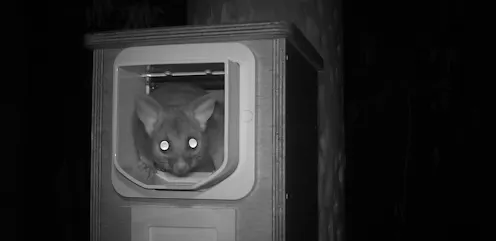
Artificial habitats are becoming more advanced, but they’re not a silver bullet.
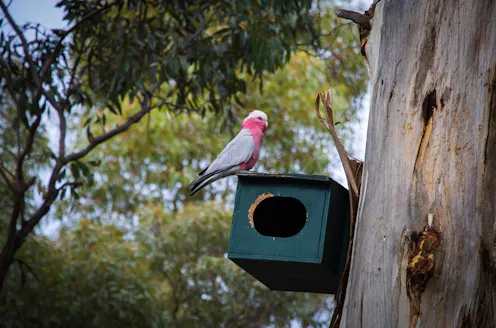
New research reviewed more than 200 studies, and found the science underpinning artificial refuges — think nest boxes and artificial burrows — must be improved.
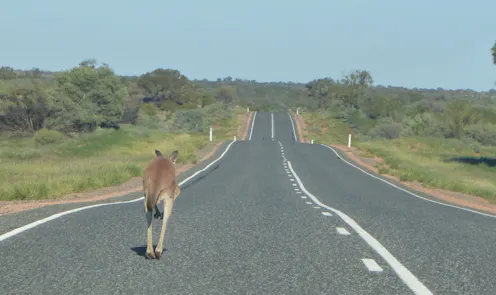
World-first research finds human disturbances, on average, restrict an animal’s movements by 37%, or increase it by 70%. That’s like needing to travel an extra 11 km to get to work each day.
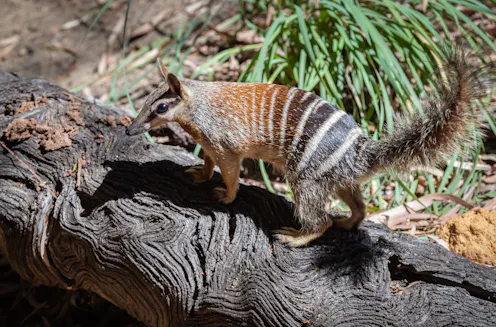
The first Threatened Species Strategy fizzled out last year without making a big difference to conservation. With the next strategy due to roll out this year, let’s look at what needs to change.
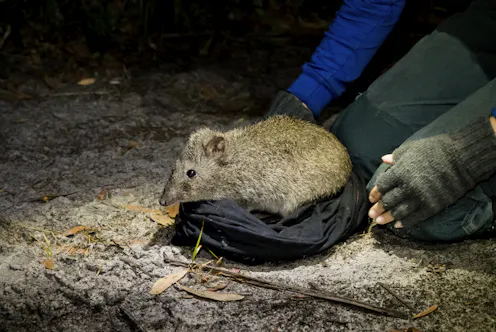
If long-nosed potoroos can co-exist with one of the world’s most deadly predators, then it’s time we rethink our conservation strategies.
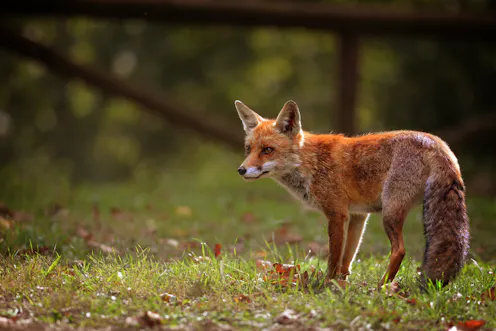
Some predators thrive after fires, other wilt – and one bird even starts them on purpose.
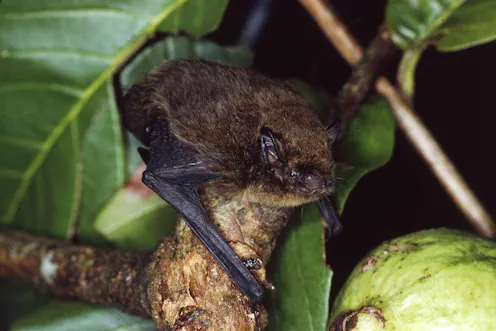
Current environment laws are manifestly failing Australian animals.

The plan to kill 2 million feral cats nationwide by 2020 makes for good headlines. But it’s also a simplistic goal that won’t necessarily deliver conservation benefits to native species.
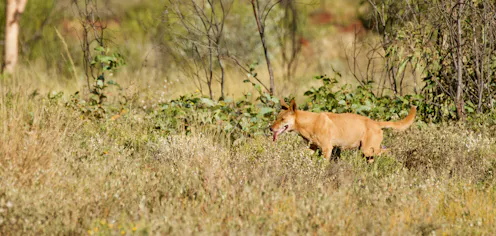
A survey of 32,000 samples of dingo droppings and stomach contents reveal that this predator’s appetite is as wide-ranging as Australia’s landscapes. But medium and large mammals are top of the menu.

The average Australian feral cat kills 225 reptiles a year, which adds up to 596 million in total, according to a new estimate. Pet cats, meanwhile, kill a further 53 million.
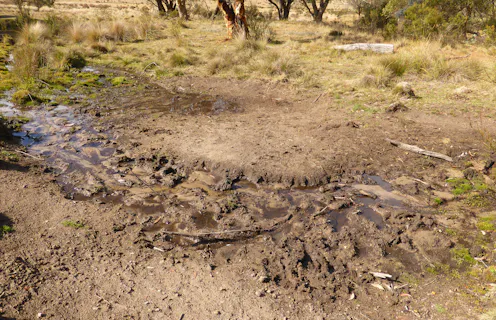
The ‘brumby bill’ which passed the NSW upper house late last night, is an embarrassing step backwards for the state.
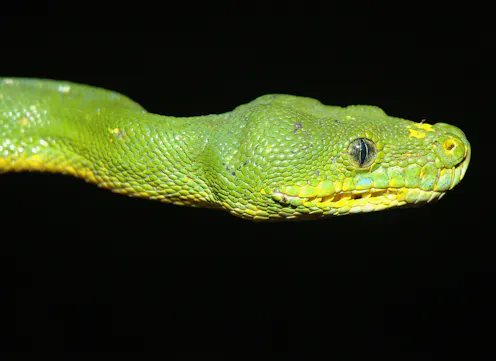
Australia’s species, like this green python, are remarkable and need far better protection.
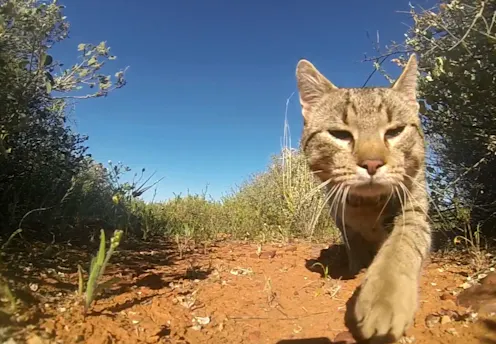
For the first time, researchers have estimated the toll taken by feral and pet cats on Australia’s bird life - and the numbers are high enough to push several species towards extinction.

Cats have a bad reputation as wildlife killers (deservedly so). But dogs aren’t off the hook: new research shows domestic dogs have contributed to the extinction of at least 11 species.
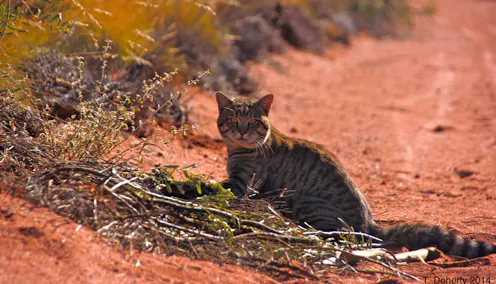
Cats, rats, foxes and other mammal predators have been implicated in 60% of the world’s animals extinctions.
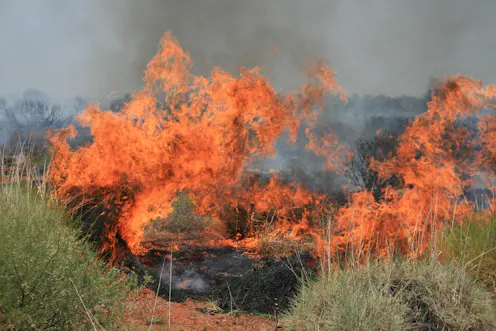
Recent bushfires have not just destroyed human lives and property, but pushed some species further down the path to extinction.
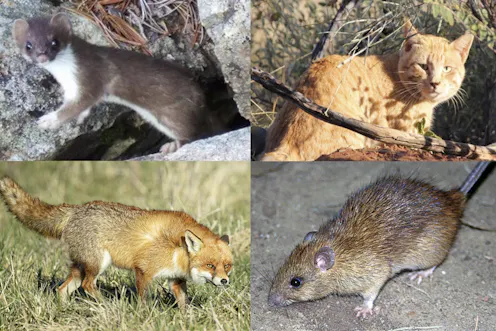
Research published this week shows saving wildlife is much more complicated than killing introduced predators. Killing predators often doesn’t work, and is sometimes actually worse for native wildlife.
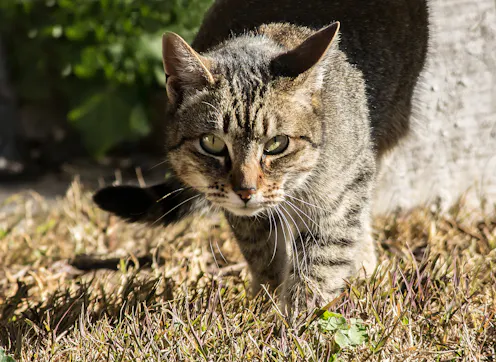
Feral cats are estimated to eat tens of millions of native animals each night in Australia. But what kinds of wildlife are they eating? In research published today in the Journal of Biogeography, my colleagues…
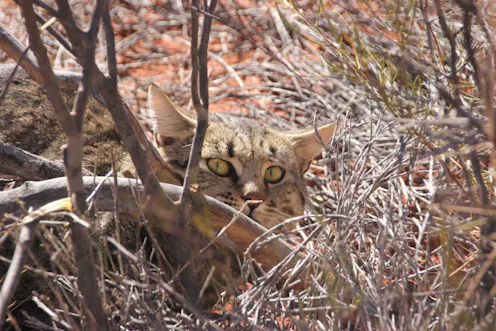
During a speech in Parliament on October 17 1996 — 18 years ago today — then Liberal MP Richard Evans called for the “total eradication of domestic and feral cats from the Australian mainland and offshore…
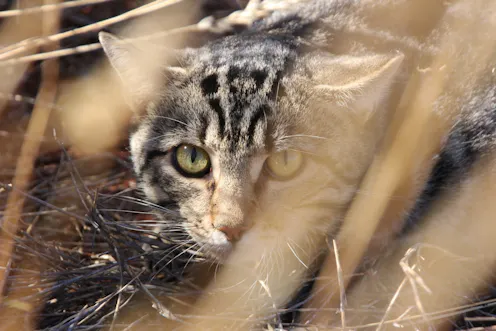
Feral domestic cats are a global threat to biodiversity and were recently named as the biggest threat to endangered Australian mammals. But what about your pet cat, or the local stray? While any kind of…
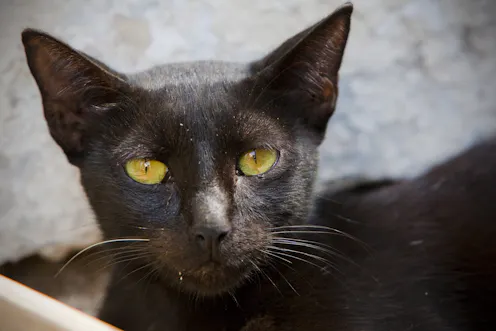
Thousands of unowned cats wander Australian streets every night. Some are feral, existing in self-sustaining populations not reliant on people, while others are semi-feral and are either fed by people…
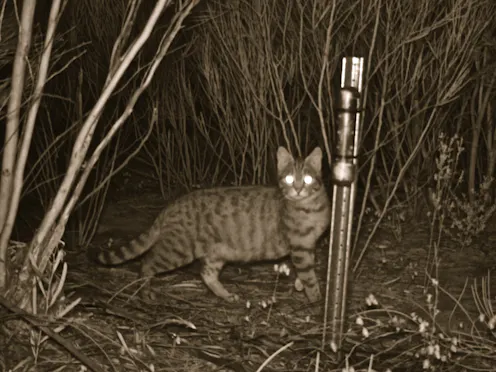
Australian fauna have suffered serious declines since European settlement, with small- and medium-sized mammals being the worst affected. Feral cats depredate native birds, mammals and reptiles and are…
