
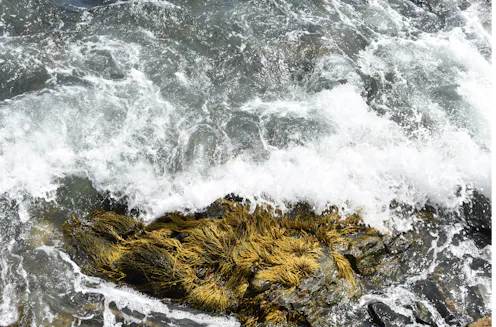
Underwater rivers ferry large volumes of seaweed from shallow seas into the deep, where its carbon is stored naturally
- Professor of Marine Botany, The University of Western Australia
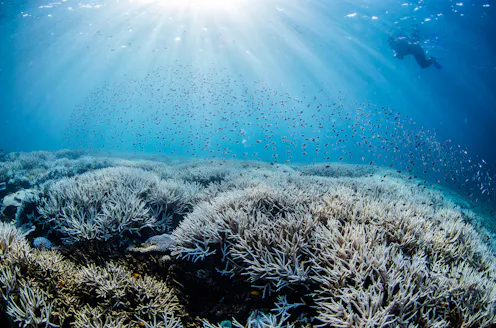
Heat is surging in the world’s oceans. Climate change and El Niño explain part of it – but not all.

Our ocean forests of seaweed are enormous. But these quick-growing, life-supporting forests are already vanishing.
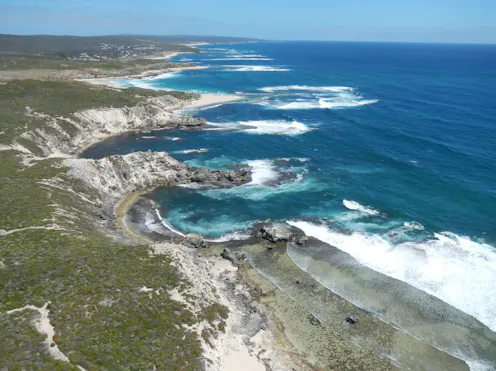
Australia’s southwest is a biodiversity hotspot - and it’s also a climate change hotspot. Something has to give.
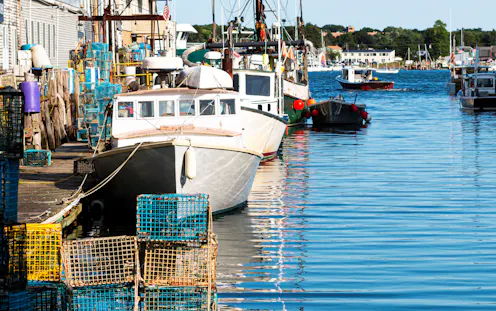
The indirect losses from one heatwave in Western Australia caused A$4.14 billion per year worth of damage.
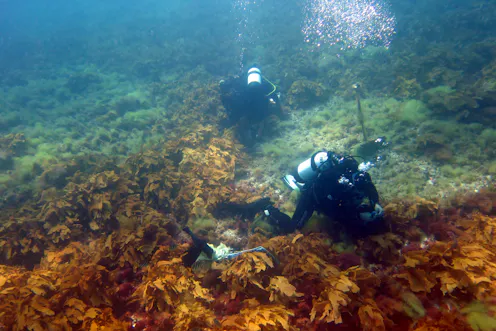
Marine heatwaves, like their land counterparts, are growing hotter and longer. Sea species in southeastern Australia, southeast Asia, northwestern Africa, Europe and eastern Canada are most at risk.
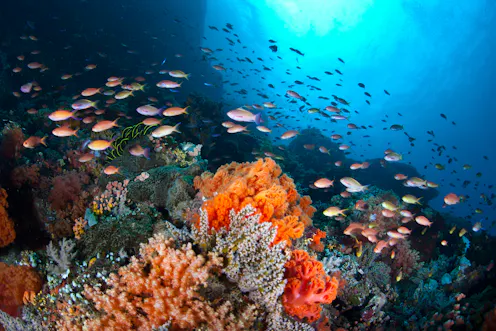
Marine heatwaves have had little attention until recently, but they’re already having large effects.
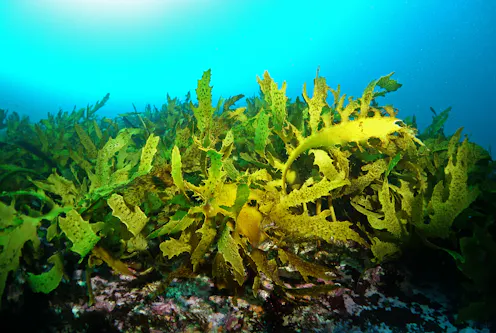
Cool-water kelp forests are being eaten by tropical species moving south on warming waters.
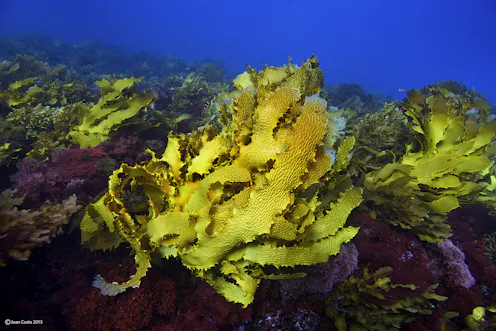
A 10-week surge in ocean temperatures off the Western Australian coast has killed off large patches of kelp forest, the “biological engine” of Australia’s southern reefs.

The Great Southern Reef covers 71,000 square km and contributes more than A$10 billion to Australia’s economy each year.
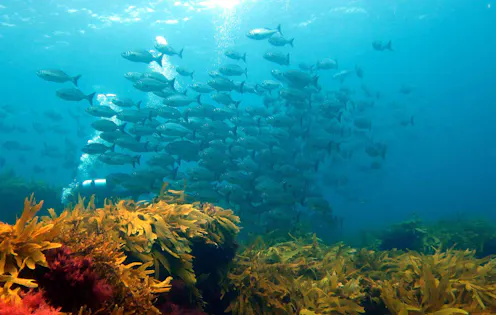
Western Australia’s marine environment is unique. Two world heritage areas, the largest fringing coral reef in Australia, and more than a thousand kilometres of underwater forests, supporting incredible…
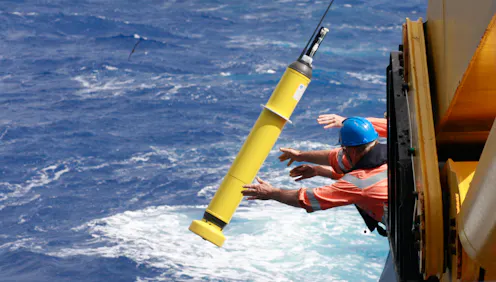
The oceans are continuing to warm steadily despite an apparent slowdown in global warming at the earth’s surface, according to data collected by thousands of floating robots published today in Nature Climate…
Contact Thomas for
- General
- Media request
- Speaking request
- Consulting / Advising
- Research collaboration
- Research supervision
- Location: Perth, Australia
- Website
- BlueSky: @twernberg.bsky.social
- LinkedIn: thomas-wernberg-6018006/
- Article Feed
- ORCID
- Joined
