
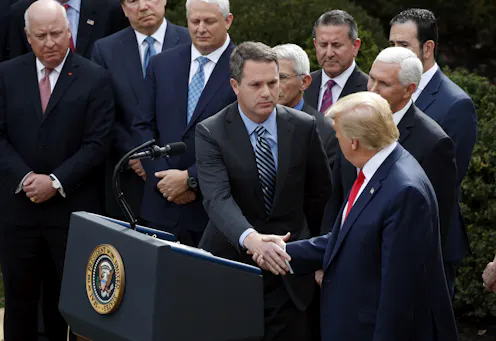
If government and business collaborate with workers, a scholar of labor relations writes, current economic problems could get less severe, the recovery smoother and lasting prosperity more likely.
- Professor of Management, Co-Director of the MIT Sloan Institute for Work and Employment Research, MIT Sloan School of Management
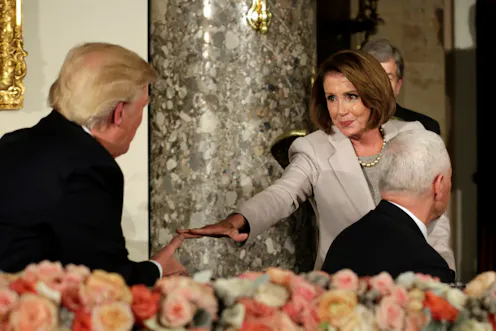
Hillary Clinton arguably lost in 2020 because she took workers for granted. Will Democrats make the same mistake again?
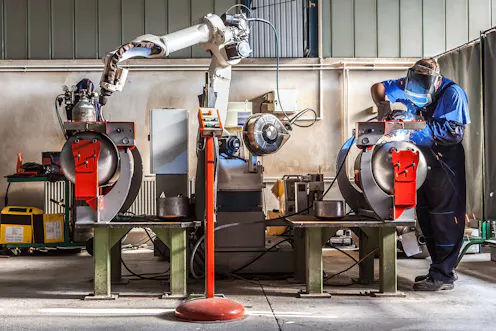
While some alarmists predict AI will decimate the workforce, the truth is concerted action by leaders in labor, business, government and education can ensure workers aren’t replaced by robots.
Two labor negotiation experts explain how a 2015 dispute that seemed intractable got resolved, with important lessons for the partial government shutdown.
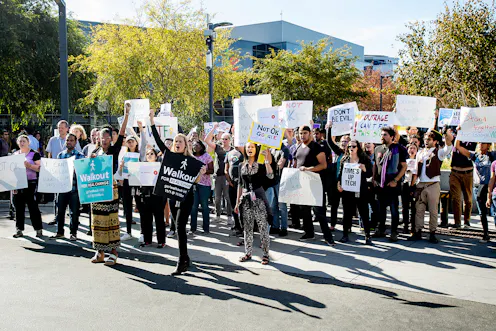
The walkout by thousands of Google employees around the world was historic, both because of who was protesting and what their demands were. It may even mark the start of something new.
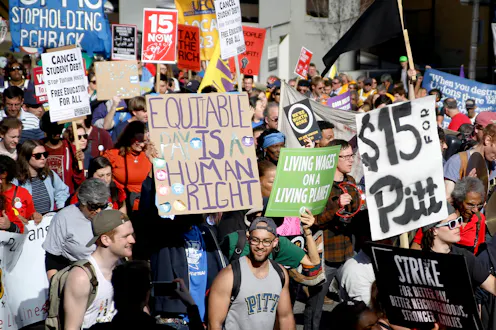
Americans want more say about their benefits, training and other important issues at work.

Although over 200 CEOs have promised to share windfalls from the recent tax cut with their employers – something the president is likely to bring up in the State of the Union – research suggests workers aren’t holding their breath.
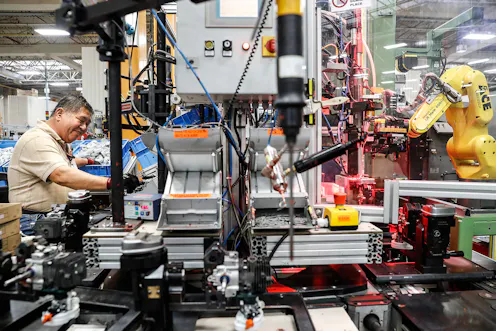
Rather than fret about how many jobs future technologies will destroy, we should focus on how to shape them so that they complement the workforce of tomorrow.
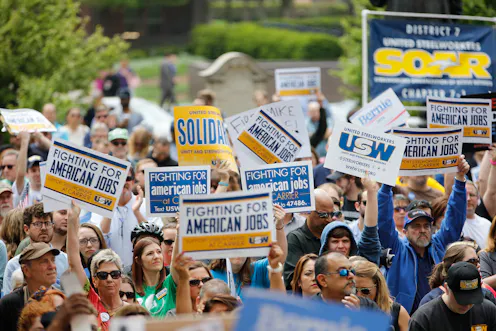
The collapse of New Deal-era policies gave rise to deep-seated frustrations. Addressing that anger will require mobilizing workers, business leaders and others to get wages rising again.

Although the economy added jobs for a 72nd month – the longest streak since WWII – growth remains sluggish. Two economists argue it’s up to lawmakers and the next president to pick up the slack.
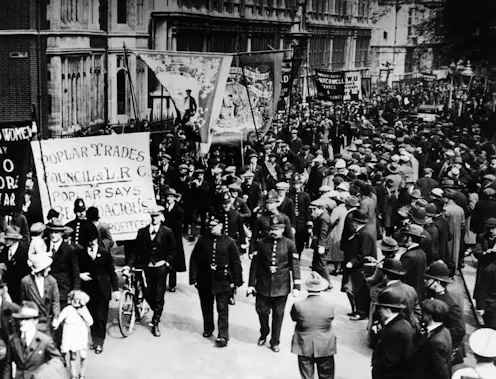
The link between labor’s decline and stagnating worker pay has convinced some politicians that we need to rebuild unions. What we need are new labor policies for tomorrow’s workforce.
The economy added fewer jobs than expected in May, suggesting a Fed rate hike this month is off the table. What else did we learn from the report?
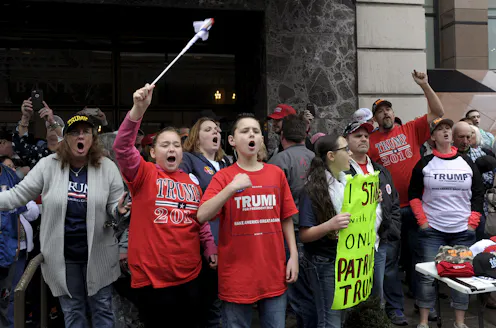
Presidential candidates are using voter anger to fuel more divisions and discord rather than to start a conversation about the collapse of collective bargaining.

A case before the Supreme Court could deal a major blow to unions, highlighting the need for leaders of business and labor to negotiate a new New Deal.

Three of our regular writers offer their thoughts on the key economic issues and themes in the new year.
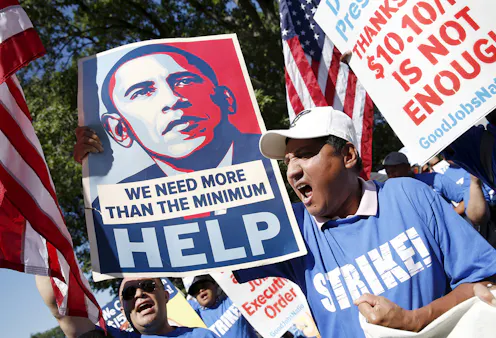
Talk about the future of work is in the air these days, but will all the chatter lead to action and better living standards for tomorrow’s workers?

October was a strong month for jobs gains, but the president and Congress need to stop waiting for the numbers to improve and begin to act more proactively.
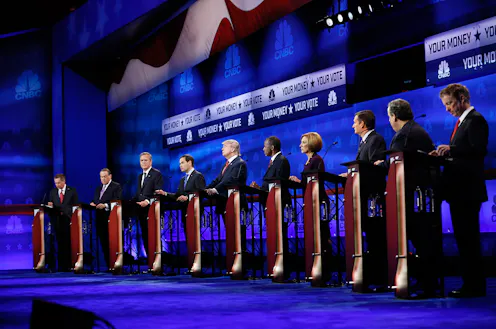
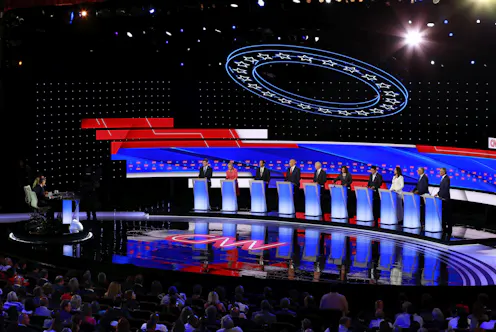
Candidates sparred among themselves and the media but still managed to debate some of the key economic issues that matter most to Americans – though they ignored a few.

Jobs growth slowed in September, yet the despite the disappointing figures there’s no political will to do anything about it.
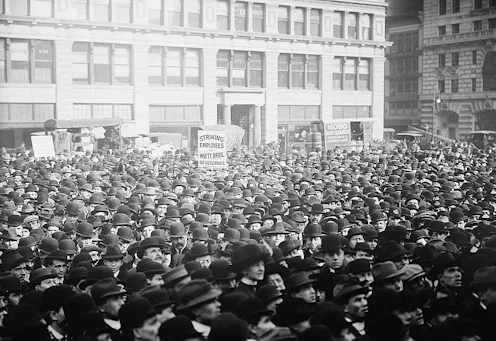
The chorus chanting ‘America needs a raise!’ will undoubtedly grow as Labor Day approaches. They’re not wrong, but America needs more than that.

The July employment report suggests the recent trend of lackluster gains in jobs and wages is continuing, and a rate hike should therefore be off the table for the time being.

The president’s proposal to more than double the overtime threshold was a good first step, but he shouldn’t stop there.

The economy is creating the most jobs in 15 years, but only a substantial investment in our crumbling infrastructure and underpaid workforce will ensure they last.
Contact Thomas for
- General
- Media request
- Speaking request
- Consulting / Advising
- Research collaboration
- Research supervision
