
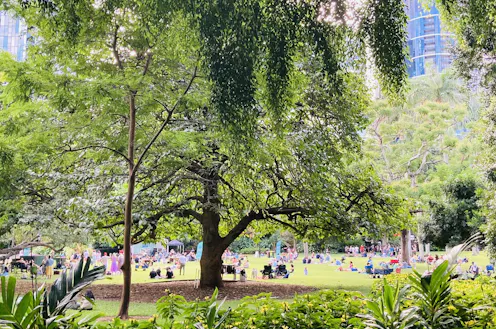
When the pandemic hit, green space was there for us at a time when others weren’t or couldn’t be. Urban greening might be the solution to the ‘lonelygenic environment’ that our cities have created.
- Professor of Cities and Planetary Health, ARC Future Fellow in nature-based solutions for loneliness, University of Sydney
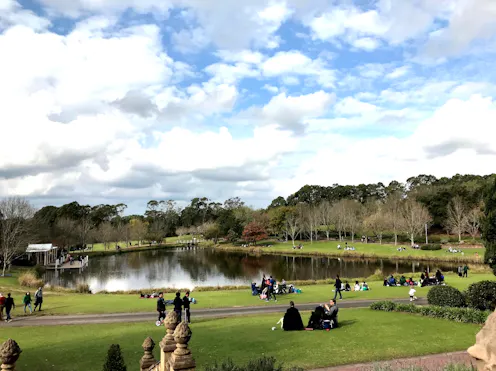
For the areas of cities with less than 10% green space, increasing that to 30% could cut the overall odds of residents becoming lonely by a quarter.
Sleep might be a key factor in the link between greener neighbourhoods and better health. A new study shows living in an area with more tree canopy improves people’s odds of getting enough sleep.
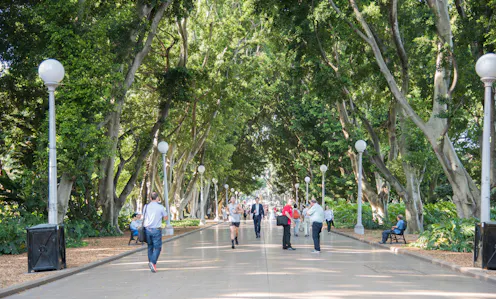
Cities around Australia have plans to increase their green space, but new research shows not all green spaces are equal. Good tree cover is better than grassed areas for residents’ mental health.
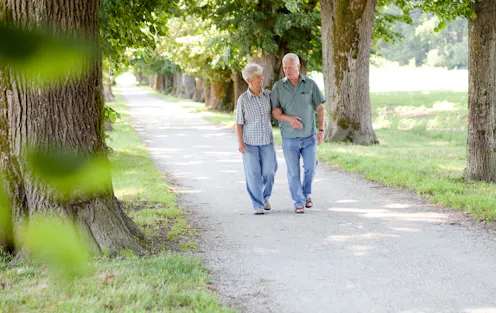
Some previous research suggests people living in rural areas may be at a higher risk of developing Alzheimer’s disease. But these results tell a different story.
Contact Thomas for
- General
- Media request
- Speaking request
- Consulting / Advising
- Research collaboration
- Research supervision
- Location: Australia
- Website
- X (formerly Twitter): @ProfAstellBurt
- Article Feed
- ORCID
- Joined
