

The long delays in housing displaced flood victims point to the need to develop a permanent reserve of temporary housing to be available wherever and whenever disaster strikes.
- Associate Professor, School of Architecture and Built Environment, University of Newcastle

In 1989, Newcastle was hit by Australia’s deadliest earthquake, but high-rise development in the city’s CBD has continued nonetheless. Australia needs a consistent planning code for earthquake risk.
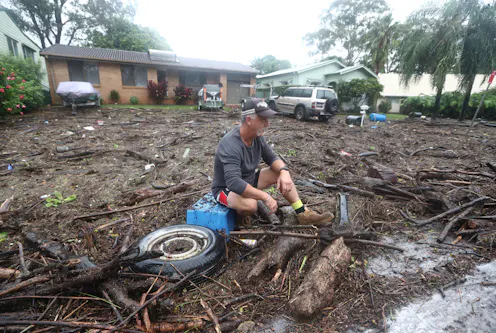
Evacuation and relief centres are often the first place disaster-affected people go, and should provide a minimum standard of living and care. But this standard is not always met.

The bushfire royal commission handed down its final report last week, but stopped short of recommending a national town planning policy.

We should stop developing into high-risk areas, as the associated land clearing is too significant to our ecosystems and may still result in houses being lost.
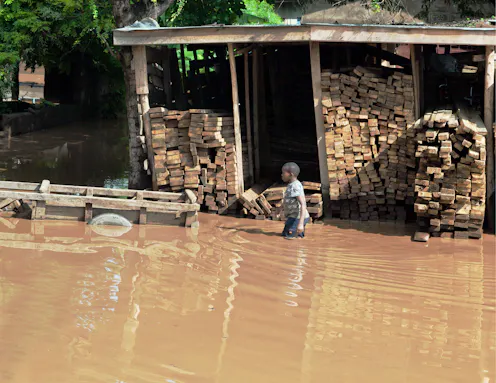
Communities prepare better for flood disasters when they have been actively involved in communicating information.
Long before a fire season that destroyed 3,500 homes, more than 100,000 Australians were homeless. If only we showed the same urgency and innovation in housing them as we did for bushfire victims.

While the bushfire crisis might provoke a sense of urgency to rebuild, we need to stop and properly plan where and how we construct buildings and open spaces.

Land-use planning should give more weight to the increasing risks of natural hazards like bushfires as the first step in reducing the impacts.
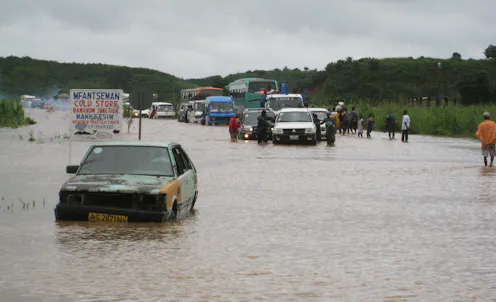
Ghana needs to deal with the underlying causes of floods and prepare people for them.
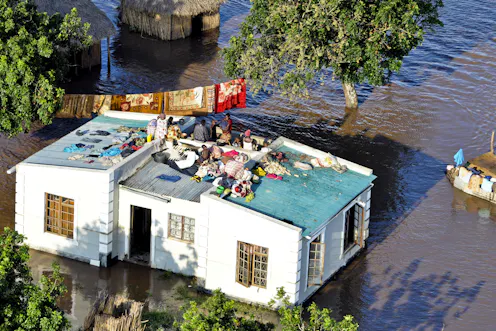
While disaster insurance would go a long way in averting losses, demand for cover is still lower than expected.
Contact Thayaparan for
- General
- Media request
- Speaking request
- Consulting / Advising
- Research collaboration
- Research supervision
- Location: Australia
- Website
- Article Feed
- ORCID
- Joined
